The Restaurant Profit Strategy Most Operators Overlook
What if one of your greatest opportunities to improve restaurant profit has nothing to do with raising prices or cutting costs?
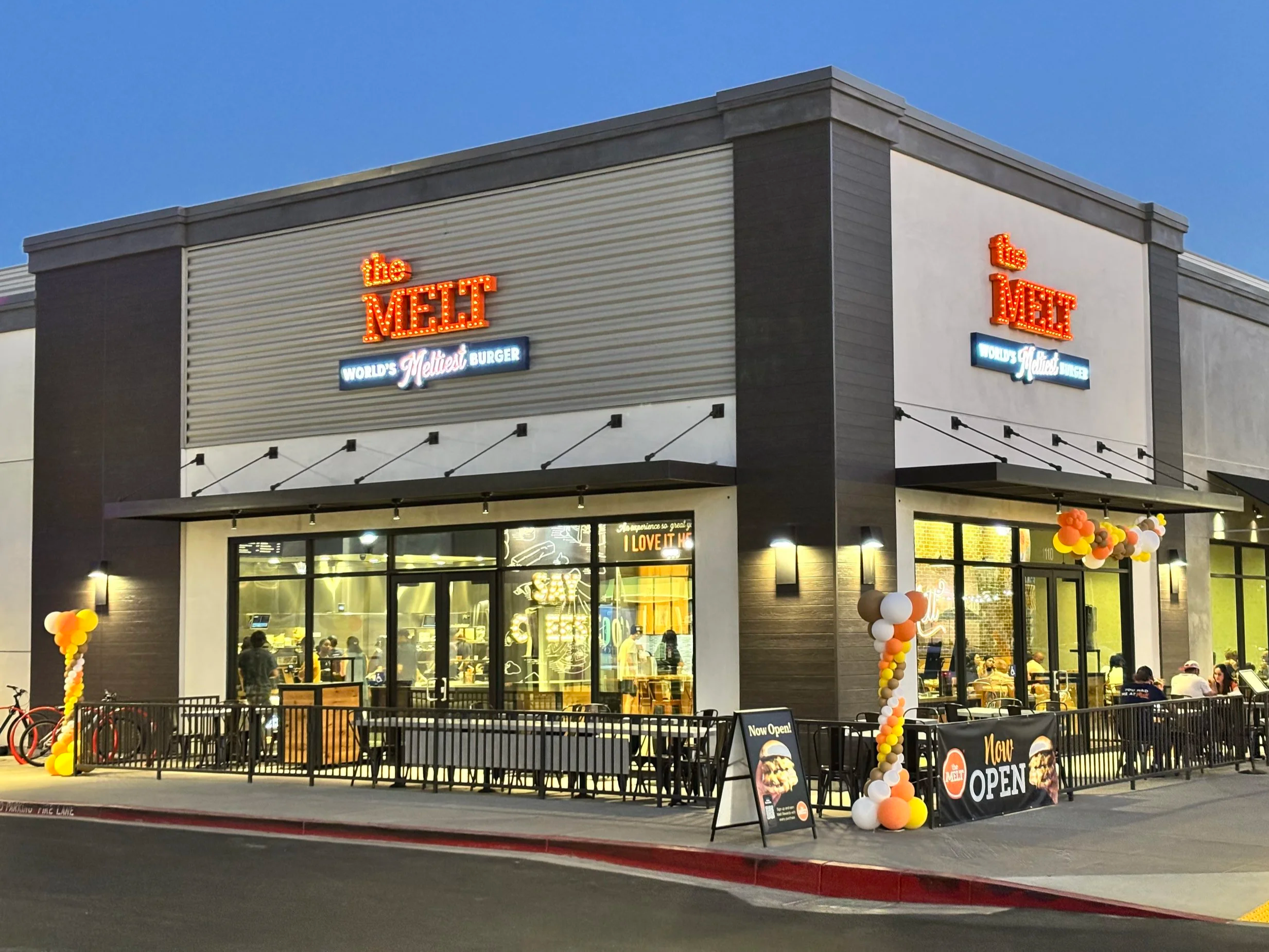
In this episode of the Restaurant Rockstars Podcast, Roger speaks with Greg Vojnovic of The Melt about a restaurant profit strategy many operators overlook: designing a business their people can execute successfully.
Greg is a third-generation restaurant professional whose career has included leadership roles with major restaurant brands. Today, he is helping The Melt grow its polished fast-casual concept while maintaining a strong commitment to culture, hospitality and operational execution.
Greg explains why restaurant operators need to look beyond financial metrics. Food cost, labor cost and sales per labor hour matter, but those numbers are often the result of what is happening inside the restaurant.
Profitability is influenced by thousands of daily decisions made by team members. When employees have strong leadership, sufficient resources and systems they can execute consistently, the financial results follow.
In this episode, you’ll discover why The Melt focuses on:
Driving profitable sales instead of relying solely on price increases
Creating restaurant systems employees can execute consistently
Reducing unnecessary operational complexity
Cross-training team members to improve labor efficiency
Giving general managers the resources they need to succeed
Developing leaders and promoting from within
Using guest feedback to strengthen the business
Building an “I love it here” culture for employees and guests
Growing without sacrificing hospitality or execution
Greg also explains why constantly adding menu items, limited-time offers, procedures, technology and new responsibilities can make a restaurant harder to operate.
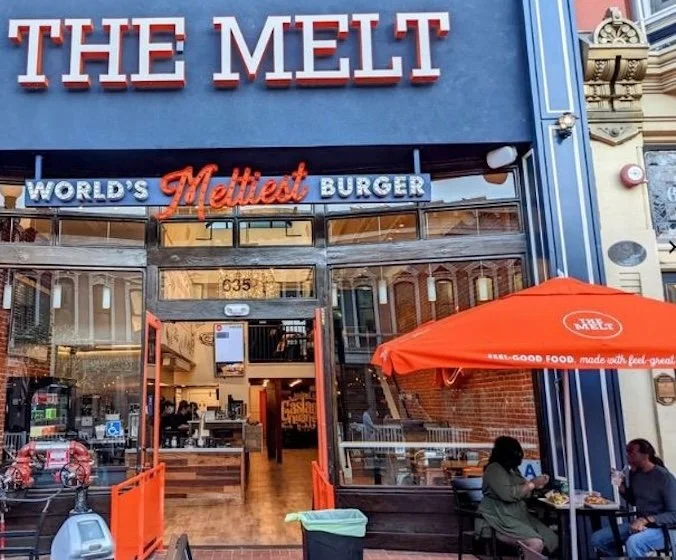
The Melt does not chase every trend. The company concentrates on a well-designed menu, strong hospitality and consistent execution inside the four walls of every restaurant.
One location grew from approximately $1.5 million to $6.1 million in annual sales while operating in the same 2,200-square-foot space. Greg credits that growth to better products, operations, execution, hospitality and consistency.
The lesson is clear:restaurant profitability is not created only in a spreadsheet. It is created by building a restaurant your people can operate successfully.
Connect with Greg & The Melt: Website | Facebook | TikTok | Instagram
Run a Smarter, More Profitable Restaurant.
Discover the proven systems & solutions that drive sales, train staff, and maximize your margins.
1:1 Coaching Option Now Available.
Join The Restaurant Academy now: https://restaurantrockstars.com/joinacademy
Connect with Restaurant Rockstars:
LinkedIn Roger: https://www.linkedin.com/in/roger-beaudoin-21590016
LinkedIn Restaurant Rockstars: https://www.linkedin.com/company/restaurant-rockstars
LinkedIn Roger Beaudoin: https://www.linkedin.com/in/roger-beaudoin/
Facebook: https://www.facebook.com/restaurantrockstars/
Instagram: https://www.instagram.com/restaurantrockstars
X: https://x.com/RestaurantRock1
Listen to the Restaurant Rockstars Podcast on Your Favorite Podcast Player:
iTunes - https://apple.co/2WaKyqV
Spotify - https://spoti.fi/3xGuOd0
Stitcher - https://bit.ly/3iFGAAb
Soundcloud - https://bit.ly/3lYBhho
-
What if the biggest threat to your restaurant's profit isn't food cost, labor cost, or inflation, but the way you're running the business every day? In this episode, we unpack the real profit drivers: sales, execution, culture, labor efficiency, menu design, leadership, and SOPs that actually work. Before you add another menu item, LTO, promotion, procedure, technology, or task, ask yourself, will this make the restaurant better or just more complicated?
My guest today is Greg Vojnovic of The Melt. He tells us that profitability isn't created in a spreadsheet. It's created through thousands of excellent decisions and consistent execution inside the four walls of your restaurant. Stay tuned.
Welcome back. This is the Restaurant Rockstars podcast, and Greg, welcome to the show today. How are you?
I'm doing great, Roger. Thanks for having me. Excited to be here today
You've been in the business a long time and you mentioned it kinda chose you. Do you wanna tell us when you started?
Yeah. It's our thing, right? Every time you try to get out, you get pulled back in. But I'm a third-generation restaurant person. I've got my grandparents owned hotels and restaurants in Belgrade and my mom did contract food service as a kid, so I was, like, working at the snack bar.
She'd reach into her purse and give me a couple of shiny quarters. I have two brothers, Nick and Dejan, all three of us in the business and know, it just becomes our thing, right? And it is what it is, right? This business is a fun, exciting business. It can be crazy at times. It's a very rewarding business. It can also be very stressful. Particularly right now, it's a real stressful time for a lot of restaurant operators.
Let's talk about some of those stresses. Obviously, food, labor, operating costs are continuing to rise, and it's the pain. People are feeling the pain. Where do you think operators are leaving money on the table or profit?
Everyone focuses on, raising prices and trying to make sure all their metrics hit. And really, know, one of the challenges we have in this industry is it's become a very financially... look, we're in business to make money. It's a commercial en- enterprise,
Of course
But, everyone focuses on the metrics, which is more of a lagging indicator, and really the, the key factor is to really drive sales.
That, that kind of, there, there is an old saying, "Sales cures all ills." And it's driving that top line sales number that really kind of cures a lot of these other problems. You have to keep things under control, but that's really the biggest focus is, people, Look we're at The Melt, right?
And we focus really hard on making sure our prices are very reasonable. We have a premium, polished, fast casual product. but that's the biggest issue is making sure that you're giving an experience that's worth the money you're charging
There's the value right there. And when costs are rising, it's a challenge to maintain, if not grow your margins. How's The Melt doing that?
Oh, we're doing great. We've been having record year after record year. We're doing so well, we've been able to identify and create this kind of very unique, specific area within the industry, which is, we call polished fast casual, right? We do premium product as a fast casual environment. Our, our flagship product is an Angus Wagyu burger, which is fabulous, Roger. It's really a great product. what really sets us apart is we have driven this culture internally through the systems that we have that enable this culture to thrive, I love it here culture. and that that re- you know, the way that we measure that, the metric we look at, is guest satisfaction, right?
We look at our scores on customer satisfaction through Yelp and Google, and we're very proud of the fact that we have a 4.7 across, the entire organization, which I think is... We, we don't know of another brand that has a 4.7 in that, 'cause it's a really... Social media is a tough place and,
Yes
you have to really be giving great, exceptional, hospitality to get that
You're probably not too involved at your level with fin- There's probably a CFO for your company right now, but what would you say that the important KPIs are that your financial team look at to know whether any location is healthy or there's a challenge ahead?
That's an interesting question, Roger, 'cause, the way that we approach our business is, what's kinda interesting is me, my, my boss our CEO, Ralph Bauer John Morlock our head of operations, we're all at heart ops guys, right? This is an operator's culture. And,
It is
a CFO who's very experienced and very good, but we really don't have the finance team looking at the KPIs.
They provide us with all the information that we need, it's really the operators that are driving the financial performance, right? So we're the ones that are looking at, what our efficiencies are, how we're doing. And we primarily focus on efficiency because we believe that everything else...
That, that's the leading indicator, right? If you have an efficient operation, by that I mean efficiency for hours of, sales per labor hour and things like that,
Drives everything else, right? You have restaurants that have a lot of teams- team members that are cross-trained, you know, they can do very well during the slow periods 'cause they can work across a number of different positions.
When we talk about things like food cost, labor cost, sales per labor hour, those are all just metrics that really don't drive the business. What drives the business are the team members and their engagement, 'cause they're the ones... We're in a business that's it's a very simple business.
We make food and we sell it for more than it costs us to make, right? But you're relying upon, hundreds of hourly employees to be engaged and wanting to do it right. So that's really the way that we approach this. We're not really a, a financially driven organization. We're an operator culture. Does that make sense?
It does, and what I'm hearing is that your team that are ambassadors for each location are driving more sales because of their personalities, their approach to the job, their engagement. They're making friends with your guests, which in turn is bringing them back again. So you said earlier that sales cure all ills, as long as they're profitable sales.
Yes.
Yeah, you have to design the business so it makes
Right?
Sure. I've specialized recently... So I do some consulting and personal coaching of restaurants, and yes, sales are important, but I've analyzed a bunch of menus, and believe it or not, I've found hundreds of thousands of dollars per location in a year in lost potential profit, meaning lower profit items are stealing sales from what they wish they were selling or could be selling, and the profit difference in every category is many dollars.
So the menu isn't tight, and it's bleeding money every day, every month, ev- all year, and here's the result, and it hits people like a ton of bricks. So yes, sales are important, and I think we'll get to that because it's also important that your team are so well knowledgeable about, about the products and the business they represent that they're making suggestive sales.
So that's important, but I think there's a balance between sales and profit
Yeah, that, that's a great point because, it-- you have to have a well-designed menu and a well-designed brand, but also it has to be able to be executed effectively in, in the kitchen, right? We, we've been very fortunate that our CEO, he, he started off as a franchisee. been a franchisee. Our, head of operations has been a franchisee. We've all been in these roles and, quite some time and we know what it takes in these restaurants to, to make these things work. And, I think, for example, that probably one of the worst things to ever happen to this industry was the Popeyes chicken sandwich.
I mean I can
Yes.
tell you, I was at
Yes.
Popeyes
To that product coming out. We had 50 different chicken sandwiches we tried, one of which previously was that exact same identical sandwich, just slightly different. people are looking for this silver bullet, right? And the silver bullet product that's gonna add, you know, half a million dollars or a quarter of a million dollars in sales, that's really not there.
That-that's a once in a lifetime type thing where they just happen to hit social media gold. They got in that fight with Chick-fil-A, and people are chasing these new products and it's really about day-to-day execution. How does your crew... How are they working? What's their shift look like? What's a day in the life of your general manager look like? And fo- people's, people aren't focusing on what it's like to actually work in the restaurant. They're working, again, on the financial engineering of, what do my metrics look like? Now, that's table stakes. You have to have fundamentally...
And what's interesting, Roger, is, here are professionals that are businesspeople, and you're going into their businesses and saying, "Hey, this product you're losing money on this product," or, "It's taking away from here," or, "Why aren't..." They aren't looking at the basic fundamentals.
This business is the day in, day out business where you have to execute at every different level and it's got to be at least fun. This business done properly should be a great... It should be a lot of fun when it's done properly. When it's not done properly, it's not fun at all.
It's a very terrible place to be. I can't think of a few... There's few worse places to be than in a restaurant that's getting crushed
No doubt about it. And I think we've all had those experiences when we dine out too, and you're disappointed by an experience. It might have had good reviews, but, it's only as good as the people and the shift that they're working, and the consistency is ultimately important. Let's go back to prices.
A lot of the audience obviously have to continue to raise prices just to maintain margins. Now, you said you're a polished fast casual. You mentioned a really nice burger product that's quality. Have you had to keep up with the increased costs out there and raise prices accordingly? Or what do you do?
Yeah, we, we look at our pricing quarterly, right? And we target a specific food cost percentage and the way that we're able to maintain we are and not have to raise prices is by being very efficient on food cost, right? A- and again, it comes back to the fundamental design of the operation where your team members can execute well without being wasteful, right?
Everyone's looking at waste and everyone's looking at, is there theft, things like that. And if you're-- if you can set your organization and your operation up so that they can execute at a high level without a lot of complexity, right? Our business is a very simple business, but it's hard to execute all these different things all at the same time. that's where we really focus is on, making sure that we're doing the best we are before we ask our guests to pay a little bit more
Let's go back to the general managers or the assistant GMs in your stores. What type of responsibilities do they have besides putting out a consistent product and treating the guests well and training teams and that sort of thing? Are they profit-minded? Are they focused on taking inventory and making sure that waste and spoilage is kept in check, if not theft as well, that sort of thing, food safety practices?
Like, how involved are they? Because it's the business of a thousand details. You just said so yourself. But what it what do you expect of a good GM, a solid GM in one of your stores?
Yeah, they're incredibly involved in that, but again, we don't really force and focus them on, know, what the profitability... We've never really talked about the profitability of the restaurant. We talk more about how the restaurant is operating and how it's executing, right? And what hospitality looks and speed of service. And because it's their role to execute our plan, right? And if you can set the plan up properly, all they have to do is execute. And if they do that properly, things can be in control.
We have weekly full team meetings with all our unit level leaders, all the general managers. Every week, we have calls. We go through all the numbers. We have a daily call with our, our district managers on how restaurants are doing. And we have really, the, the financial performance is primarily led at the district manager level so
Okay
general managers can focus on execution. And then we have a, every period, we do a full-blown period review with the whole team, so everybody's aware of what's
Great.
understand
You're in the loop. Yep. Fantastic. Let's talk about systems or SOPs, standard operating procedures. It's gotta be consistent, it's gotta be proven, it's gotta be trackable. Whether you really dive into the metrics or not, systems are really what make an operation, run like a Swiss watch, you might say.
Do you-- can you say what some of those systems might be within each location that is consistent?
Yeah, so for us, again, it comes down to it- can't really talk about systems without talking about, this may sound counterintuitive, without talking about culture, right? So
Yeah, let's talk about that. Go ahead
everything is built around, know, Ralph Bauer, our CEO, I call him, he's our founder in my mind, 'cause he's the one who's really built this company and what it is right now.
And, he reads every customer review. We look, look feedback is a gift, even if it's not the best gift. Feedback's a gift, and he, he responds to every comment. And I don't know, a few years back, we had a restaurant c- we had a customer at our Stanford restaurant just said they said, I just love it here." And that was a customer that said that. And Ralph said, that's really..." Here we are, we're selling burgers, and we have a customer, that's... So he said this, "I love it here culture" is what we've built the entire culture around. And for our crew members, because that then translates to the guest, right?
It does
at an SOP, it's about building a culture where the crew member can be very successful in a very busy restaurant by not having it too complicated, right? And let's use an example of LTOs, right? A lot of brands use LTOs to create news, right? I wanna have new product news to get the customer to come back. if you're in the restaurant, every four weeks you've got all this... it's so difficult to get people trained on how to execute those things. We believe that we have a really balanced menu, so we don't need LTOs. We... when we bring a new item in the menu, it's every two or three years.
We brought a, crispy chicken sandwich in to three years ago, and here, Ralphs was the president of Popeyes. I was chief development officer of Popeyes. John Morlock, our VP of Ops, was, like, a 400-unit Boston Chicken franchisee, and we're bringing chicken into, into our burger concept and melted cheese, melted sandwich concept. And, we have to be very careful about how you do that, 'cause again, lot of folks that, work in the office, they don't know what it's like to work a shift, right? A- and to be on a grill or, working across the counter from a customer when, know, at a 20-minute ticket time. The, the procedures are that we have to be very disciplined as leaders of the organization to make sure that we create a brand that can be executed. That's what the key factor is, right? We can talk about SOP and procedures and things, and all the little details that we do, but it comes from the top on... and what is your approach to how you're gonna create your business and how complicated is it, right? things like propane. When you're running a business and it's like, "Gee, I forgot to turn the pr-" You were sharing with me the story about you forgot to turn the propane
It's so true
100 things they've gotta do every single day,
A- you just keep dumping things on them, it just becomes really hard for them to execute. So us, it's about operational discipline, putting together an organization and a culture where people can have a great time and enjoy themselves and be treated with respect, right?
They have to perform, right? It's not just a, They have to perform, and we expect them to perform, and they do perform
I'm really liking that you're using the word culture because it means so much more than, I say this all the time, a mission statement on the wall that nobody really cares about, looks at. It's crooked, the glass is cracked. It's like nobody cares. But a culture is something that people feel and they experience every time they are at work.
It's the people they work with. It's the guests that they serve. It's the camaraderie between front of house, back of house, the cooks, and the people that interact with the guests. It's all those things. So when you onboard someone new, it's how do you indoctrinate them into the Melt culture?
Is there mentoring and shadowing? It- everyone does it differently. Costs are rising and profits are shrinking. I built the online Profitable Restaurant Academy just for you. You'll learn how to attract and retain a dream team, train your staff to sell and increase check averages, drive new and repeat business, control food and labor costs, and the biggest needle mover of all is my menu profit accelerator.
With this tool, I find hundreds of thousands of dollars in lost profit per restaurant location. Stop guessing and start building a restaurant that runs smoother, earns more, and gives you back your freedom. Visit restaurantrockstars.com to build a more profitable business from the inside out. Want to work with me personally one-on-one?
Email roger@restaurantrockstars.com
know, that all of that is, it comes from, from the very top, right? W- organizations are a reflection of their leaders. Restaurants are a reflection of the general manager. What matters to the crew, right?
For sure
if you are just... again, we talked about metrics earlier, and if you're purely interested in delivering metrics.
I was at, I was employee number six for Inspire Brands. And we had a COO at Arby's. We started off as Arby's. We bought Buffalo Wild Wings. And, every, you know, week we'd have our leadership meeting and this particular person like, the numbers weren't where they are, and so what he would do is "Boom, I'm gonna pull down the labor," right?
So that's like the
Okay
they can... So you know, you, you cran- you know, here we're gonna reduce the number of hours you allow a restaurant to have, and they can't run the business, right? And so what we do is we focus on giving the general managers the resources they need, and then we ask them to perform. And because of that, we're able to attract a higher quality manager, someone who wants to stay, right? Or someone who's good. And I was a Bojangles franchisee, very large Bojangles franchisee, and I can tell you that as we were building our organization, we, we bought a franchisee out.
As we were building, we kept buying, underperforming restaurants and, know, when you're buying these organizations, there's no bench strength at all, and so you're having to hire from outside. And I can tell you about 30% of your outside hires to GM make it. 70% fail, because you're not hiring good people.
You're hiring people that are running from a different job. what we've been very successful at The Melt is this operate- this operator's culture where they know that we really respect and value the general managers. And the assistant general managers, they wanna become GMs 'cause they see how they're being treated, and shift leaders wanna become AGMs, right?
So you start building from within, and that's when you have a really successful organization is when your leadership is coming, all from within your organization, right? 'Cause they are imbued in the culture. They're the ones that succeed in the culture. You know who they are, and they can continue.
And so the other thing too is that the GMs and DMs, we value them as they develop their people, so that's, it, that's seen as a very valuable trait.
It sounds like they have a way of keeping turnover low and keeping retention high by virtue of their approach to the job and how they treat their team members. Would you say that's true?
Yeah, and again, it starts at the top, right? This is, Ralph knows every general managers, every DM. Obviously, you know all the DMs, but he knows every G... he knows the AGMs. John Morlock our head of operations, he's in the restaurants all the time, and they know how much we value them because, w- we take the time to learn who they are, right? And i- you know, in an organization, that's really where the rubber meets the road. It's the general managers is really where things flow through at the restaurant level, 'cause they're the ones who are responsible for their location. And, we have a restaurant in, in Stanford. It's in Palo Alto, and we do $6.1 million out of a 2,200 square foot restaurant with a 12-foot hood. And and you go there, and they're having a blast, and they're busy. But they're having... they're joking, and they're having a good
For sure. Yeah
And again it comes down to this, it's not about trying... you can be very successful and very profitable in this business if you focus on the people because they're the ones that deliver the profitability.
Now, earlier it's important to make sure that, that your costs are in line. You have to be... you have to have a designed, fundamentally a, a well-designed business. But if you can do that and let them focus on execution, they can have a great time and do a great time and deliver the culture that we all believe in
So it sounds like in a 2,000 square foot restaurant you mentioned ticket times earlier and execution, so obviously that is a very important procedure. So that's throughput we're talking about now. To do s- over $6 million in a small location, you're moving some people through. Is it mostly students on, from campus 'cause you're close, or is it a combination?
Who's the target market?
bit of everything, right? So
You know, we've been doing a whole study on how to select the right trade areas, and we're most of the way through it right now. That's my background is I've created this... In the 2000s when I was at Popeyes, I created this strategic restaurant model that a lot of large brands have adopted now, right?
A, a lot of the senior development people at large organizations are folks that I brought into the development function, you know, running brands like Dutch Bros or Bojangles or Smoothie Cafe
Yeah
these, these development people. And there's a next level to that 'cause it was all based upon households.
But, for, for us, we're able to do high sales because we are busy all day long, right? We do 40% of our sales after 8:00 PM. We call it Melt After Dark. So we do...
I like that.
Some of
That's a hook.
open till 2:00 or
And it's not students doing all-nighters, it's just there's a lot of people out there at all times of the day. And, we also do about 40% of our sales are delivery. Our highest volume location, about 50% of our sales are delivery. But, the throughput's got to be there, right? So again, it's got to be a product that's designed, that can be, prepared and, it's not super complicated, but it's very hard to execute consistently
Okay, very good. Let's go back to the labor piece. A lot of the audience are still struggling with labor, not only finding good people, but retaining them, training them, motivating them, getting the accountability piece. Are you doing well with that? Are you having any labor challenges at the mill?
No, we, again I hate to say, I keep coming back to this word culture, right? And it's a very easy word to say, and it's a hard one to live, right? But when you deliver this kind of a culture, what you'll find is that most restaurants don't have a hard time hiring people, they have a hard time keeping the best people there, right?
What we find is that when we create this environment where it's fun to work and you can do well, and you work hard, again, it's, it's, you're not lifting these massive, it's not like my gosh, you're moving Chevys across the counter. It's know, they're working very hard, but the environment is such that they can be s- they're set up for success, right?
So you find that most brands or most concepts or most restaurants are hiring good people, but they're leaving because of either bad leadership or the environment's
For sure.
or it's
Yep
And, everyone says "Gee, how can I train my people like," I remember when Popeyes were like, "We wanna train our people like Chick-fil-A is."
And it's those, those people have been trained by their parents. Chick-fil-A just gets the very, they get the first shot. They get... It's I don't know if you're a college football guy, but it's, if you're the top, if you're Texas A&M, you can get, the best players because you're,
Certainly
I happen to be an Auburn fan, we've had a few bad years. But, it's like you can get the best, but the question is keeping them, right? And you have to have that environment set up where people are treated with respect and this I love it here culture for us seems to be working really well.
And it's, again it's not something we just all came in an offsite and created. It came, Ralph, our CEO, our leader, he believes in it, and this is how he lives his life. And it's reflected in everyone. It's reflected in me, and here I'm a senior leader in the organization, and it's something I believe in. And it becomes kind of a selection bias that you select people like that. And it's a virtuous cycle where the better people you select, the better people wanna come, and the better people stay
Do you do any recruiting versus hiring? Do you bring in friends or relatives or any of that sort of thing? Is that a good thing, a bad thing? Because if someone has a great, experience working for you and someone they know isn't happy in an existing job that they've got, do they ever recommend, "Hey, you gotta try The Melt.
B- We've got this culture, it's team spirit," it's all that kinda stuff, and then they recommend someone to be hired? Do you hire people that are friends of team members now, or relatives?
Yeah, it's always best to do that because, when you have an organization that is really running well, people will not... they'll tell you "Yeah, you don't wanna hire..." Yeah, this is my, I went to school, you don't wanna hire him, or, we don't want her working late night or she's a
Sure
Be- 'cause they wanna hire people they wanna work with, right? It's not always just their friends. I have great friends that I wouldn't wanna work with,
Of course
I have a lot of friends that wouldn't wanna wouldn't wanna work with me. But, know it's, that's always kinda the best filters because at least you're getting, you're filtering out some of these things that could be real destructive for your business.
So that, the, the hiring process is a very important component
Let's talk about we spent some time talking about your general managers, and that is the universal term pretty much in every industry, but not every manager is a leader. So I much prefer the word or the term leadership. How do you develop people that you recognize talent in? You mentioned you move people up in the organization.
That's fantastic. What are some of the things you look for, and what is the quality of a great leader in a Melt location?
Yeah, so again it's are they, embracing the culture? Do they really pay attention to what's happening, right? We talked earlier about,
Speed of service, right? So for us, speed of service is kind of table stakes. We don't... I remember when I was at I'll use Popeyes as an example. We we didn't measure drive-through speed of service when I... this is early 2000s or mid-2000s. we didn't have timers and it was because we didn't want to know what the time was, right? and then we set 180-second speed of service. That was the metric, right?
Three minutes. And I think at that time, Wendy's was the fastest or Chick-fil-A, but the, their metric was 150 seconds, right? So two and a, two and a half minutes. And, for us, our focus... Speed of service needs to be within the realm. But for us, the focus is on accuracy, and hospitality. Speed of service needs to be there, right?
It does
were asking about how do we identify the people that do this. It's those that work most on the cultural piece. Again, I keep coming back to this word, which I, I can't say I overuse it, 'cause I don't believe you can overuse it. I think it's a very important
disagree.
And that if they get that, if you're doing these other things, the business performs, right?
So can focus on the metrics and try to... The-- I believe that metrics are pushing from the bottom up, whereas culture and leadership are leading from the top and pulling everything else up. They... It just follows along with you. And those are what the most important things are. Now, for us at The Melt, we're real fortunate in that, we're experiencing, ex-extraordinary growth right now, right?
We have twenty-one Melt restaurants. We ended last year at eighteen. The prior year we ended at fifteen, the prior year at twelve. If you go from twelve to fifteen, that's twenty-five percent growth,
To eighteen is twenty percent growth, eighteen to twenty-one.
But we're gonna end this year, we open two restaurants tomorrow, which will put us at twenty-three. We've got, another one opening soon after, which will have twenty-four. So we'll probably end the year at twenty-five. So we'll have, forty percent growth this year. So we have the opportunity a lot of managers to become general managers, so they know there's opportunity there.
So word is out and people are, are looking to, to do this, which also means we're developing district managers. So we're at a point where the... Our, our throughput for growth is primarily focused on how, how well and how rapidly we can develop unit-level leadership and above unit-level leadership, right? Which is one of the reasons, Roger, why we decided to franchise is that when we looked at our five-year plan about a year ago, Ralph brought me in to look at the plan. I'm a friend of Ralph's. I've been in... done consulting for the company for development. And, we're looking at the plan. He's like: "Look, Greg, you're not a stranger to the company, but you're not in...
you're not an insider, so you give me some fresh eyes. What do you think we should do?" And as we looked at the plan, our five-year plan, Roger, is that in twenty thirty we'll have eighty restaurants, zero of those restaurants will be beyond the borders of where we already are, which is California and Arizona.
We're building as fast as we can, we're unable to build... and it's not a capital, it's not the restriction 'cause we, our... if you look at our FDD, we give full P&Ls on our restaurants and our operating EBITDA is just extraordinarily strong. And so it's not a matter of capital, it's about, how quickly and how rapidly can you build the company.
This is a challenge that, I was involved with Duck Bros during their rapid growth. And the
Yes
there was how rapidly can you grow the general managers, right? So that's why we decided to franchise, is that we've got this great model, and we need help defending our position within the industry, right?
We believe that we've created this polished, fast-casual position where we have chef-inspired meals. Michelin Star chefs were involved in our business
Amazing. Yeah
And we're selling a burger, frankly,
That's an elevated burger
Yeah, it's a Angus, it's an Angus Wagyu burger, six ounces two slices of cheese.
We use all natural, like we use the same certification that Whole Foods uses for all our food products. We don't sell Coke and Pepsi on our fountain. We sell Diet Coke 'cause, there's, my wife's a Diet Coke lover, so you know so you know, we sell
Outsells Coke, yeah.
But our,
Drinks are all, we use Alameda Soda.
It's all natural soft drinks. And but it's not we're not like, "Oh, look at us. We're all natural." It's what we do 'cause we believe it's a quality product and our customers appreciate it. We have a significant vegan offering in our menu, but we don't, brag about, "Hey, we're a vegan offering."
We just do it as part of what we offer. These are things that we offer. For us, the execution all comes back to that culture of really taking care of the guests. But again, the challenge is how are we able to grow? And that's why we're bringing some, some top-notch franchisees into the system, to help us build out our marketplace so we can defend this market that we've created
Nice. Let's talk about recognition and rewards to keep people inspired and motivated on the team. You do anything special in that area in the stores?
So Ralph Ralph Bowers from Louisiana, and has this thing, so when he grew up they always used to say that you were the baddest alligator in the swamp. he
I like that.
has
Yeah
an award for the baddest alligator in the swamp. He
That's cool
alligator pin, his whole thing.
It's who's the best of the best? And if you can get the... I, quite frankly, unfortunately, even though I've known Ralph for about, what, 15 years now, actually more than that, I've known Ralph for, gosh, almost 20 years I've never gotten one. But look, it's the operators. They're the ones that make things
Of course.
that
Yep
And they love it, and it's, recognition's fun to give out, right?
It is. And again, it just creates that chemistry of people where they wanna stay, they wanna work together, they enjoy working together. And I think that's unique and different. Too many businesses have employee of the month, and that's just old and tired, but baddest alligator in the swamp, now that's cool, right?
I think people would aspire to that. Everybody wants to be the baddest alligator.
from, it's
Exactly.
so
That's unique to you, to your business, and I think that's what you need to do. You have to stand out from the competition and be unique. Do you shop the competition? Let's talk about that. Secret shop, do you keep ahead of what they're doing, but you play your best game?
Yeah, we do, but again, it's like we focus on what we do, right? It's inside the four walls. It's what you do in your restaurant and with your actual customers that makes the difference, right? So are the others doing? Again, we're not, we don't like to respond to what they're doing because we just focus on what we're doing, what our guests telling us, right?
So we, know, we look very closely at our loyalty, what our c- our customer comments are, what they're telling us, right?
Yep
Some of the best ideas come from your guests saying, "Hey, how about, have you thought about doing this," right? And, we're fortunate in that we st- Roger, we started off as a grilled cheese and soup company and,
I'm kidding. Yeah.
Yeah.
And that's where the milk came from.
Yeah, and we get, and quite frankly, we, we would tell you that we weren't that good. We had a grilled cheese sandwich you could make at home. And so we came in, we reformulated everything. We made very indulgent food that you can't make at home. That's why we do it. And that foundation in these melted sandwiches gave us this menu which we have breadth and depth in our menu and variety where we don't n- need LTOs. And then we added this Angus Wagyu burger, which is, you're a foodie, so you know the Philly cheese steak is one thing.
There's a different chopped steak i- from New York, and that's what it is. It's really a chopped steak where we cook a, know, a fresh burger patty. It's a six-ounce patty on a grill. We chop it up. You get two slices of, the basic sandwich, you get two slices of, natural cheddar cheese on it, so it melts. We chop it so it gets melts into the nooks and crannies, and it's a great product. And it really is a dynamite product. But, there's an industry conference called Restaurant Leadership Conference, and, my brother was there with me. My brother Nick Keon's Little Greek Fresh Cafe, and before that he owned Before Brady's.
And we have a lot of friends that are the heads of all these different concepts and developers and, we have a Melt nearby in Paradise Valley and I invited the guys to come by for lunch, and there were eight of us. And I just said, "Look, you guys order off the menu and then I'll fill in with things that we haven't tried." Eight different people ordered eight different things across the entire breadth of the menu just naturally. They all found something that they wanted. And they really got, a whole try out of everything, and it was just like, "Wow, the food's awesome. It's really great." And to get the kind of feedback from, industry leaders who are, who've seen all kinds of concepts come and go, was real reassuring for me.
It felt we really have something special here. And, and we do. Ralph has built this organization from, our AUV was $700,000 in San Francisco. How do you make money at those numbers? You don't, right? And it was gee, if we can get to a million, maybe we won't be losing very much money.
We could break even. And we thought a million dollars would never be the place we'd get. We got to a million. I was like, "Maybe we'll get to a million two, we could make some money." Then, "Gee, do you think we get to a million five?" Now we're at three point five million, right? So it was like just building it step by step. And, know, it's not magic dirt. It's not gee, you're in California, you do high sales. We were doing terrible sales, and we built these restaurants in the same businesses. We've, we've quadrupled. The the, the Stanford location that I mentioned earlier was doing a million five. It was our best location. And now does six point one million. That's over four times and
Yeah.
exact same location,
Awesome
through better operations, better product, better execution, better hospitality, being focused on being consistent and good. Our business is not super complicated, very hard to execute at a high level all the time
And the culture is super important too, which we talk so much about. Greg, it's been a super pleasure talking to you. You gave us so many great nuggets of wisdom based on a very long career, an illustrious career. You mentioned some top brands that you've been involved in, the people that you're with. You definitely got your eye on the pulse of what's happening in the business, so thanks for being a guest on the show
Oh, you bet, Roger. Thanks for inviting me. I hope it was a productive call for you and for your listeners. So thanks for letting me share some, some thoughts with your listeners,
That was the Restaurant Rockstars podcast. Thanks audience for tuning in. Thank you to our sponsors this week. Can't wait to see you in the next episode. Stay well, stay tuned, and I will see you then.