10 Restaurant Profit Strategies Every Operator Should Know
10 Restaurant Profit Strategies Every Operator Should Know
500 episodes. Thousands of restaurant lessons. And this episode gets right down to what matters: making your restaurant stronger and more profitable.
For Episode 500 of the Restaurant Rockstars Podcast, I’m sharing 10 restaurant profit strategies that made a real difference in my own restaurants.
These aren’t theories.
These are things we actually did - from costing every menu item and controlling prime cost to training our team to sell, creating recurring revenue, recruiting A-players and recognizing people who went above and beyond.
Some of these ideas can make you money. Others can save you money. And several can completely change the experience your guests and team have in your restaurant.
And here's the important part: knowing these strategies isn't enough. You have to execute them.
That's exactly why I created the Profitable Restaurant Operator Academy. It's packed with the tools, templates, training and proven systems I used in my own restaurants, so you don't have to figure all of this out from scratch.
As you go through these 10 strategies, ask yourself: Which one could make the biggest difference in my restaurant right now?
Here are my 10 Ways to Rock Your Restaurant.
1. Cost Every Item on Your Menu
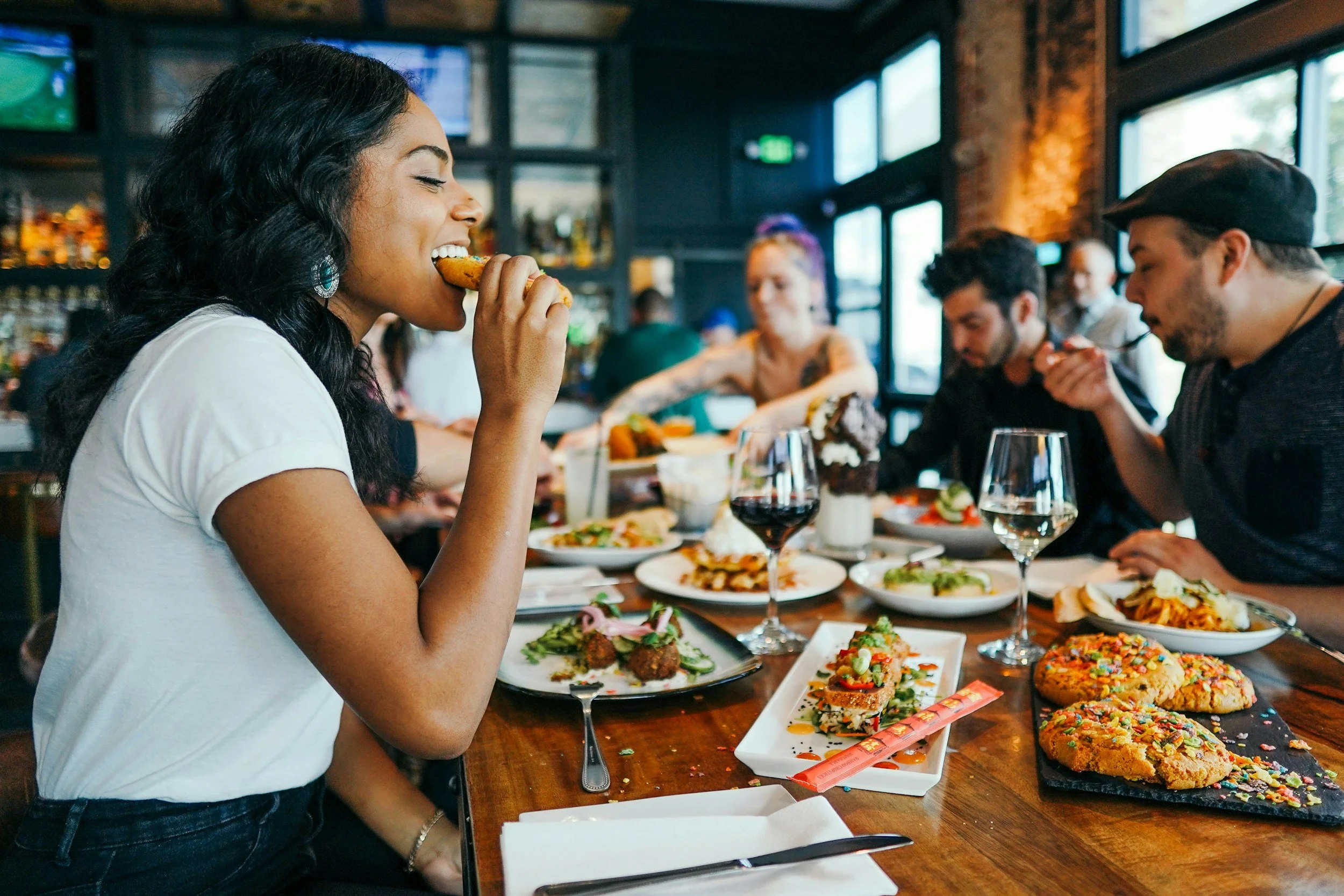
When was the last time you actually costed your menu?
With ingredient prices constantly changing, costing your menu once a year, or simply looking at what the restaurant down the street charges, isn't enough.
You need to know the ingredient cost, food cost percentage and, most importantly, the profit contribution of every item you sell.
Then compare profitability against sales volume.
That's where things get interesting.
I’ve found hundreds of thousands of dollars in lost menu profit simply by identifying low-profit items that were stealing sales from the restaurant's most profitable dishes.
Don't confuse being busy with being profitable.
2. Train Your Entire Team to Serve AND Sell
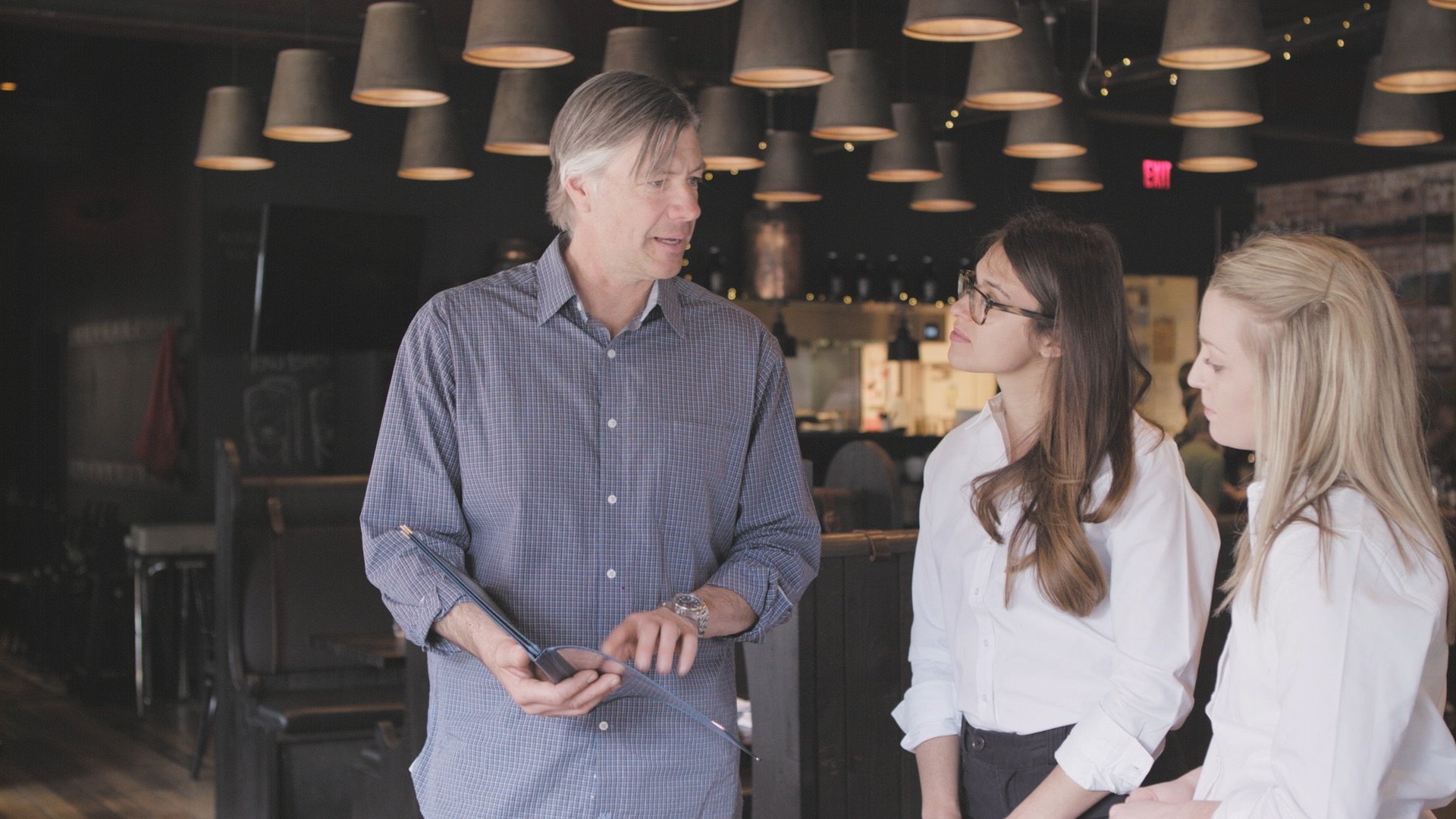
There should be no order takers in your restaurant.
Your people need product knowledge, restaurant knowledge and the ability to read the table and make genuine recommendations.
Great hospitality isn't pushing something on a guest. It's knowing your menu so well that you can recommend something you believe they'll enjoy.
Train your people to make suggestions, give guests choices and bring menu items to life.
Better hospitality creates a better experience, and it can dramatically increase check averages.
3. Start a Mug Club
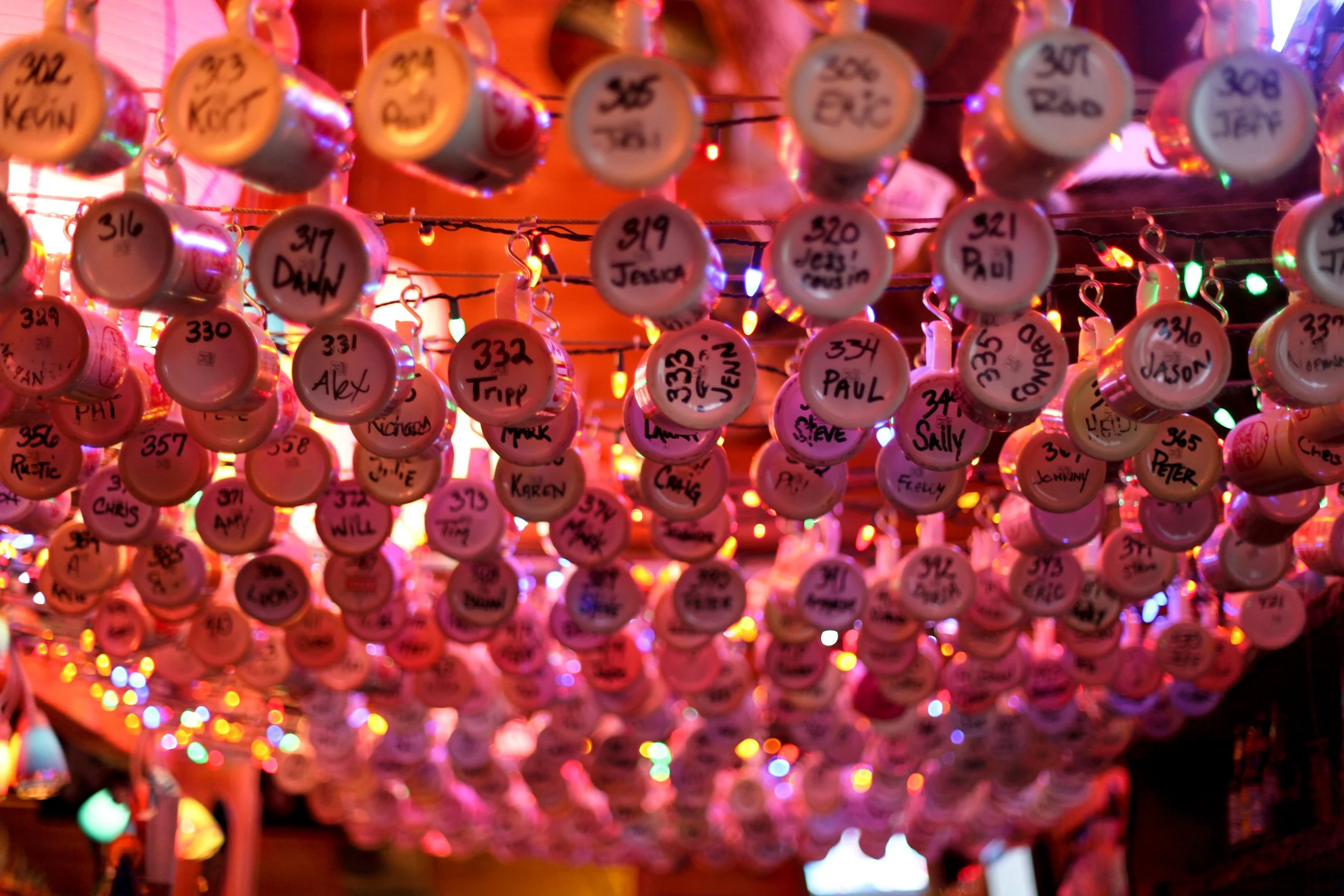
If you have a bar and sell draft beer, a mug club can create something incredibly powerful: belonging.
At one of my restaurants, our mug club eventually grew to about 1,200 members and generated approximately $75,000 a year in membership revenue.
But the membership fees weren't even the biggest benefit.
Customers who previously visited a couple of times a month began coming several times a week.
The restaurant became their clubhouse.
That's the real power of creating a community around your restaurant.
4. Create Cash Cows
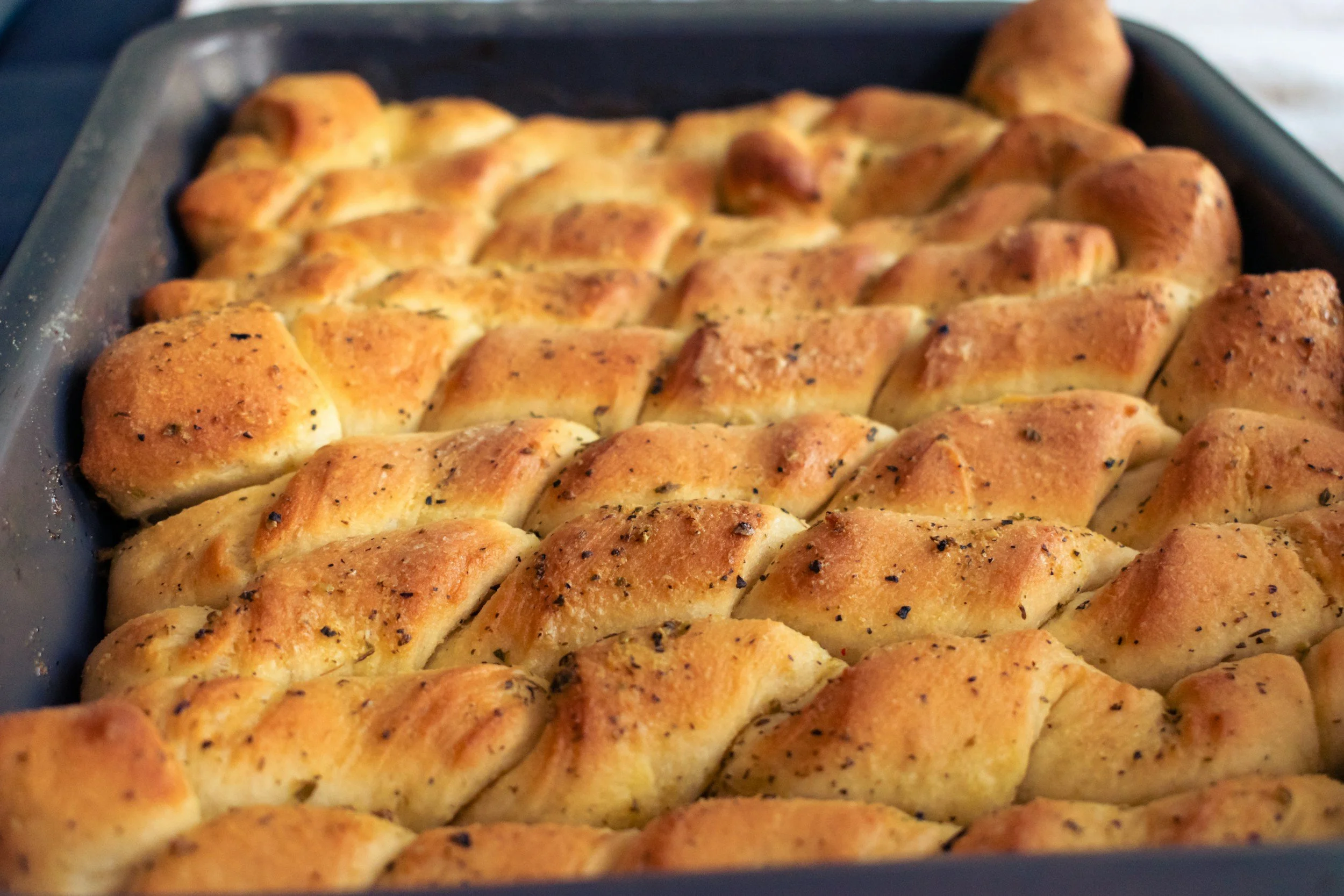
A cash cow is something that costs relatively little to produce but has tremendous perceived value to your guest.
It looks great. It tastes great. It has "wow factor." Guests might even pull out their phones and take a picture.
And it's highly profitable.
Find these items, create more of them and train your team to recommend them.
5. Know Your Prime Cost
If you don't know your numbers, you're flying blind.
Your prime cost; food, beverage and labor combined, is one of the most important numbers in your restaurant.
My target is no more than 55%.
And don't overlook inventory.
Take a proper physical inventory consistently until you understand exactly where your costs are running. Waste, spoilage, theft and over-ordering can quietly destroy profitability.
Need help putting the numbers to work? Inside the Profitable Restaurant Operator Academy, I've already created the tools and templates to help you cost your menu, track prime cost, manage inventory and identify where profit may be slipping through the cracks.
The goal isn't more busywork. It's knowing exactly where your restaurant stands and what to do next.
6. Set Exact Portion-Control Standards
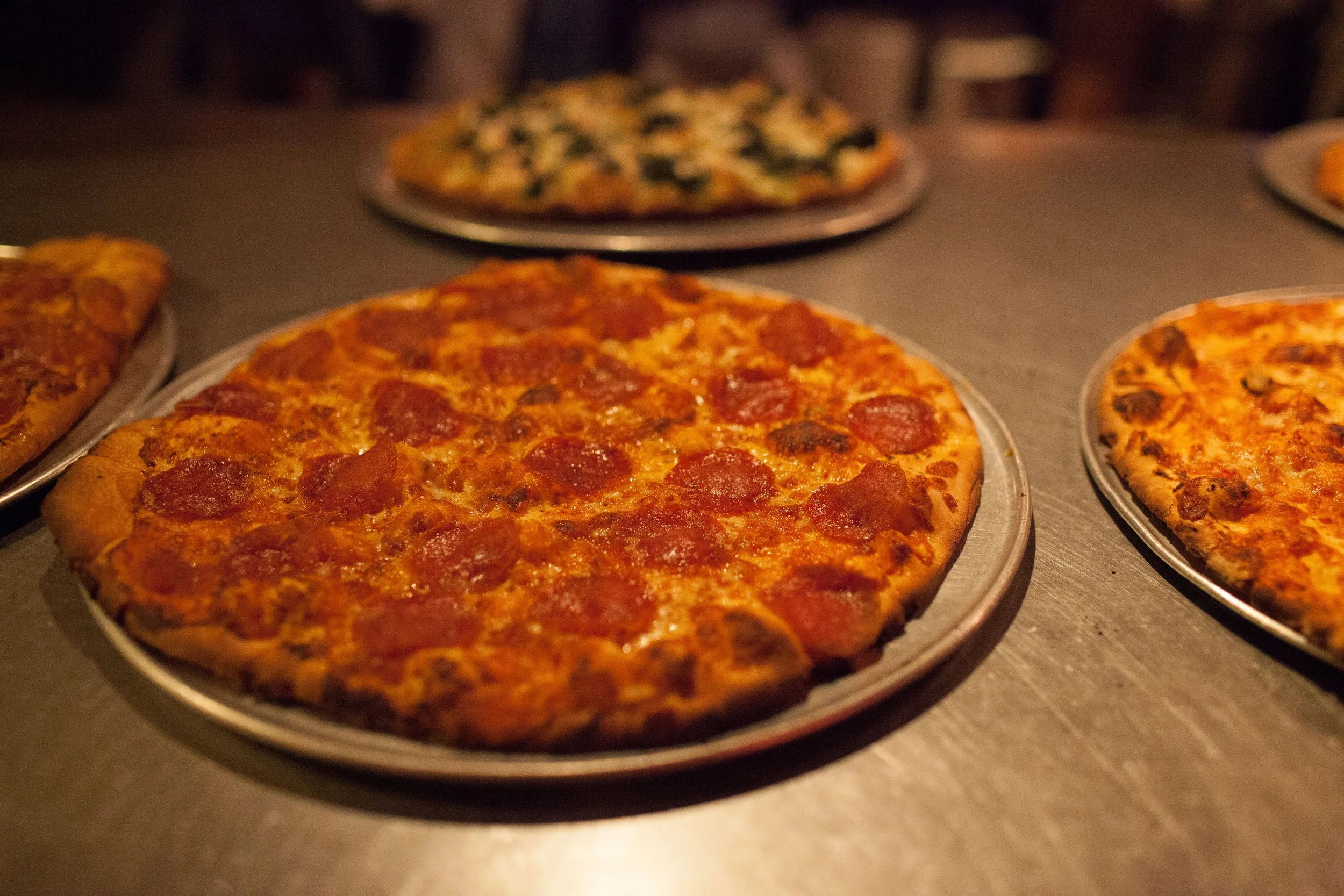
A little extra cheese doesn't seem like much.
Neither do two extra slices of pepperoni.
Multiply those tiny inconsistencies by hundreds or thousands of orders, and suddenly you're talking about real money.
Every menu item needs a standard: photograph, recipe, quantity or weight, training and accountability.
Consistency protects both your guest experience and your profit.
7. Sell Retail Merchandise
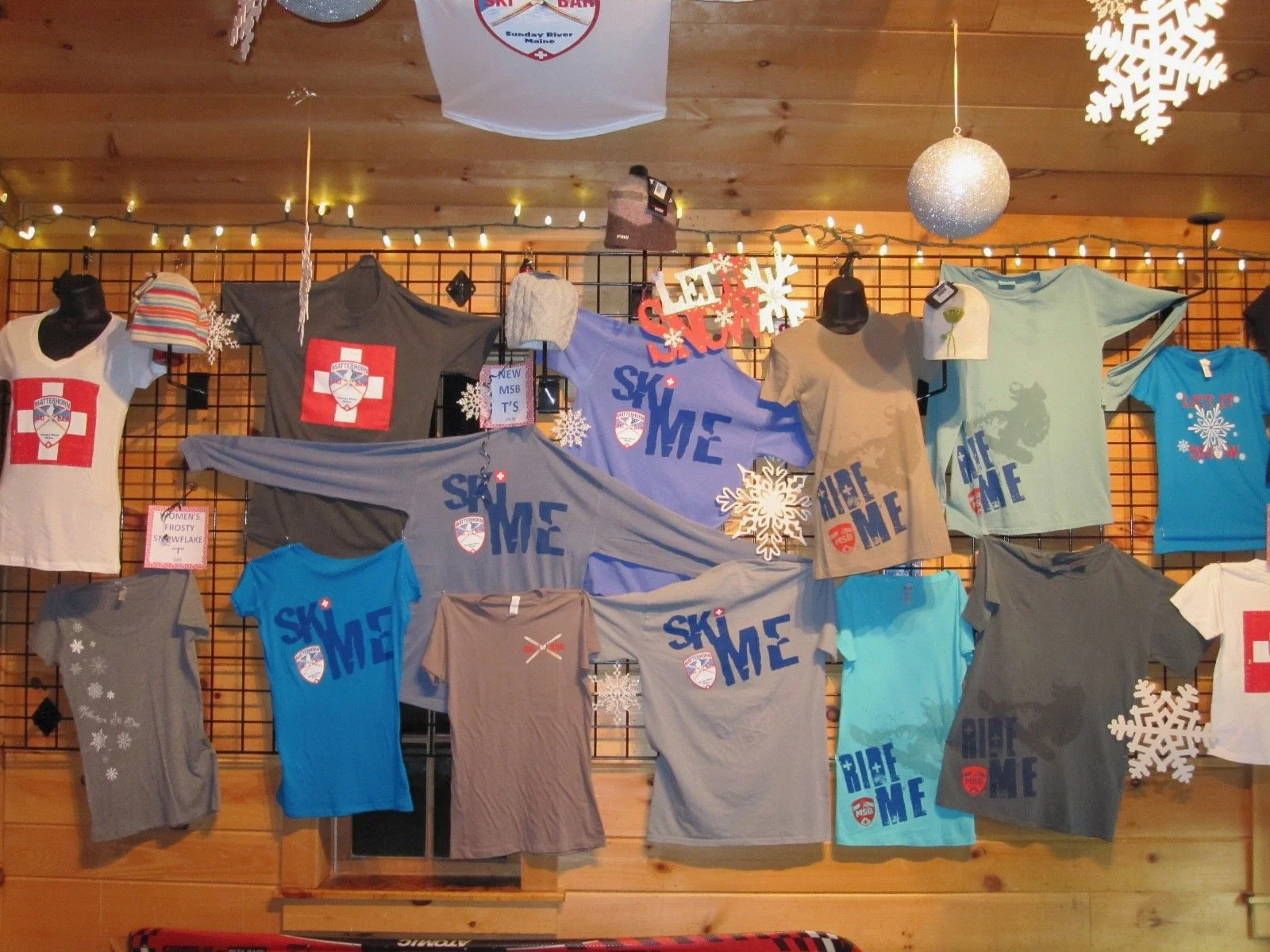
If people love your restaurant, give them something that lets them show it.
T-shirts. Hoodies. Hats. Glassware. Merchandise with your restaurant's logo or personality.
You're generating additional revenue, and your customers are literally paying you to advertise your restaurant.
Display it. Merchandise it. Have your team wear it.
8. Turn Your Merchandise Into Marketing
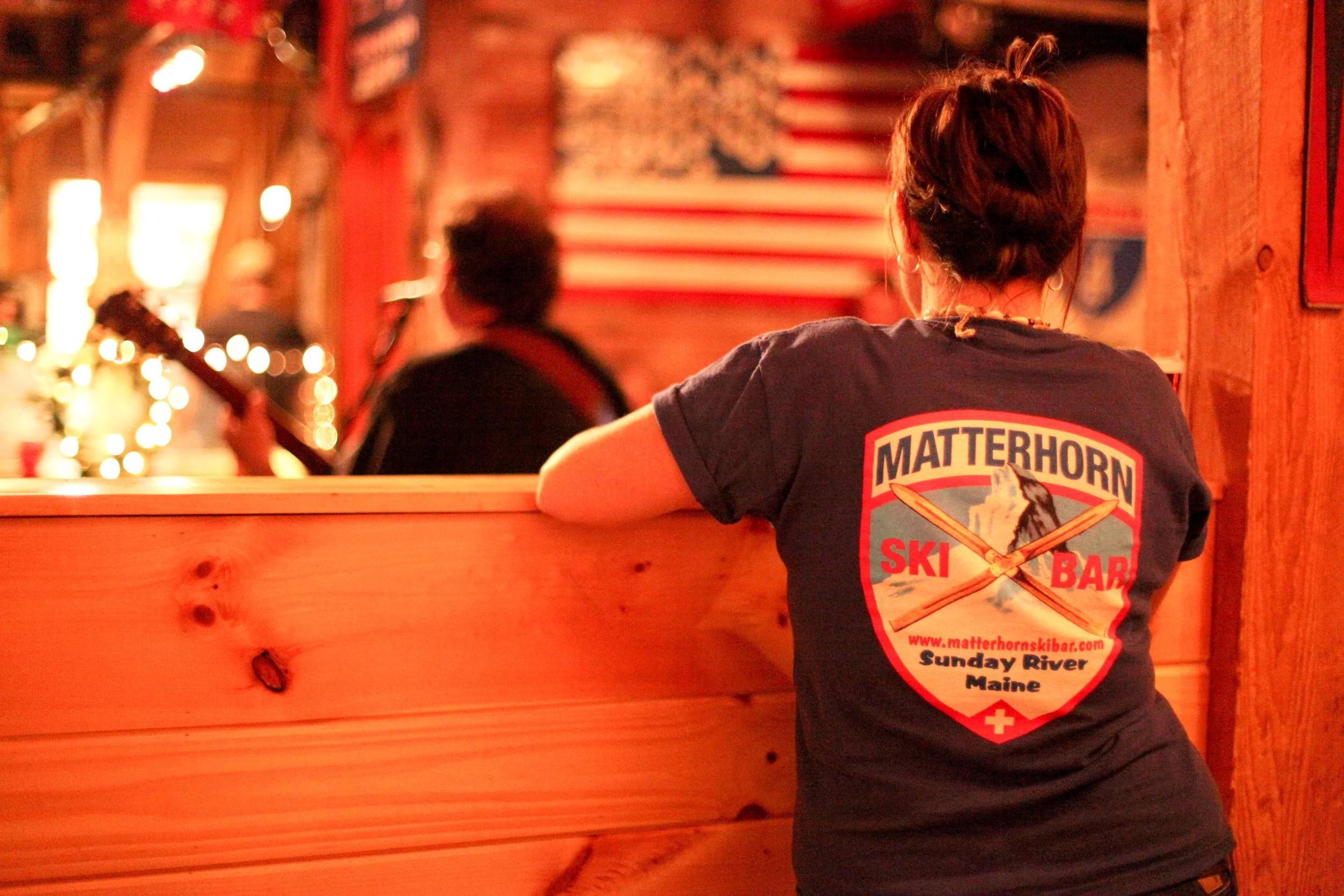
We used to challenge guests to take pictures wearing our restaurant merchandise in interesting places around the world.
The photos came flooding in.
It sold merchandise, created engagement, strengthened our community and generated word-of-mouth marketing.
Give people something fun to participate in and they may do your marketing for you.
9. Recruit…Don't Hire
Stop waiting for someone to respond to the NOW HIRING sign.
Find your A-players and ask them:
Who do you know who's just like you?
Then incentivize the referral.
Great people often know other great people. Recruit for attitude, personality, reliability and hospitality—and then train for skill.
That's how you build a dream team.
10. Recognize and Reward Great People
People want to know their effort matters.
At my restaurants, we created Difference Dollars to publicly recognize team members who went above and beyond.
It wasn't expensive.
But the recognition was powerful.
We celebrated great performance in front of the entire team and reinforced exactly what our culture stood for.
The result?
Better teamwork. Better hospitality. Better performance. And at one point, a 96% employee retention rate.
Don't Just Listen. Put It to Work.
I've given you 10 ideas in this episode that can increase sales, control costs, strengthen your team and ultimately make your restaurant more profitable.
Now comes the part that matters: execution.
That's why I created the Profitable Restaurant Operator Academy.
Inside, you'll find the training, tools and ready-to-use templates to help you actually implement many of the strategies I talk about on this podcast, from menu costing and profit analysis to inventory, prime cost, team training and more.
I've spent decades learning what works, and what doesn't, in the restaurant business. The Academy gives you the benefit of that experience without having to reinvent the wheel in your own restaurant.
If you're serious about running a stronger, more profitable restaurant, join the Profitable Restaurant Operator Academy at RestaurantRockstars.com.
After 500 episodes, my message to restaurant owners hasn't changed:
Know your numbers. Train your people. Deliver extraordinary hospitality. And never stop looking for ways to make your restaurant better.
Here's to the next 500.
Now go rock your restaurant!
Run a Smarter, More Profitable Restaurant.
Discover the proven systems & solutions that drive sales, train staff, and maximize your margins.
1:1 Coaching Option Now Available.
Join The Restaurant Academy now: https://restaurantrockstars.com/joinacademy
Connect with Restaurant Rockstars:
LinkedIn Roger: https://www.linkedin.com/in/roger-beaudoin-21590016
LinkedIn Restaurant Rockstars: https://www.linkedin.com/company/restaurant-rockstars
LinkedIn Roger Beaudoin: https://www.linkedin.com/in/roger-beaudoin/
Facebook: https://www.facebook.com/restaurantrockstars/
Instagram: https://www.instagram.com/restaurantrockstars
X: https://x.com/RestaurantRock1
Listen to the Restaurant Rockstars Podcast on Your Favorite Podcast Player:
iTunes - https://apple.co/2WaKyqV
Spotify - https://spoti.fi/3xGuOd0
Stitcher - https://bit.ly/3iFGAAb
Soundcloud - https://bit.ly/3lYBhho
-
Can you believe this is our big 500th episode? Thanks, audience, for tuning in. Today, it's 10 ways to rock your restaurant, so you're gonna wanna stay tuned all the way to the end because not only am I gonna give you big, powerful nuggets that are gonna move the needle on your business, but I'm gonna show you at the end of the episode how you can execute all these things.
So stay tuned. Let's start with big number one. You absolutely have to cost your menu. I talk to so many restaurants when I'm on the road, I'm consulting, and I ask them, "Do you cost out your menus?" "Yeah, we haven't done it in a while." "When was that?" "Oh, a year ago." Do you know that with inflation, prices are rising.
You can't just randomly assign a price to it and hope for the best. You can't see what your competitors are charging 'cause you don't know what their ingredients are. Let's start with the basics. Every single ingredient in every single dish, whether it's an appetizer or an entree, a dessert, I don't care, there's a cost associated with it.
You need to put an ingredient cost to every single item that goes into every dish and figure out what does that cost you. Now, once you've got these cost sheets for every single item, it tells you a couple of things. One, it tells you what the cost is to serve that dish to the guest. When you put the price that you charge the guest on the menu in that template, then it also tells you the cost of goods for that dish, and it gives you the profit contribution for that dish.
All those things are so vitally important. Why? I find hundreds of thousands of dollars in lost menu profit. One, these restaurants haven't costed their menus. The second thing is when we do it, it is such an eye-opener. I have a template that I created and I plug in, okay, all the items in each category.
Appetizers, most profitable to least profitable. Then I plug in the volume of sales for every single item on that menu over a date range. I love a year's worth of data. If you don't change your menu but once a year, you've got 12 months of data. You plug all this information into this template, and it shows you where you're losing money every day.
And what do I find most often? Low profit items are stealing sales every shift, every day in, day out, week in, week out, all year long, okay? Stealing sales from your most profitable items, what you want to sell, what you could be selling. You might be busy. You've heard me say this. You might have a busy restaurant.
I don't care if you're busy seven days a week. Are you making money, or are you wondering, "Why is my bank account not growing?" I'm betting you're leaving lots of money on the table if you haven't done this exercise. Stay tuned. I'll show you how to get there. You've got to track the profit of every single item on every single dish.
Number two, big needle mover. Train your entire team to serve and sell. It's called hospitality. That's service. That's what our business is about. You know that better service is having your guests have such an amazing feeling because, one, they really appreciate how your staff approach the table, read the table, understand their needs.
They have knowledge. They tell people what they know the guests will appreciate and enjoy. They make recommendations and they go above and beyond. That's hospitality. But your people really need to be trained in two things, product knowledge, they need to know their menus inside and out. Why? How often do you go out to eat and you might ask a question, "Don't you hate it when the server or the bartender or anyone you ask says, 'I don't know.
Let me go ask my manager'"? That's a terrible impression, isn't it? It's a negative. If your people are so well-trained that they can answer every question knowledgeably without having to ask a manager, isn't that more impressive? Isn't that positive? But when they have that product knowledge, they can suddenly make these suggestions that, the guests enjoy, that up-level the dining experience.
But more importantly, it increases your check average. Okay? That is an incredible thing. So no order takers allowed. I travel the country all the time, and yes, I get friendly, personable people, but they're leaving lots of money on the table. I might've had another drink. I might've had that appetizer. I might've tried that dessert if only they recommended it and told me what's great about it, if they planted the seed.
When people dine out in restaurants, you know, they're really trying to forget about their day or their troubles, or maybe they didn't feel like cooking. It's a special night out, a birthday or an anniversary. These are opportunities where they're free spending. Yes, they're a little cautious, but if you deliver things with hospitality and if your team are trained well, and if they literally naturally make these suggestions, your check averages will rise, okay?
Don't let your team be order takers. Don't let them take the path of least resistance. Restaurant knowledge is also important. Your restaurant is unique. It's special. It's different. What sets it apart from the competition? Train your team to tell your guests because it's interesting. I'll bet you have certain things you call hooks, right?
A hook is something that sets your restaurant apart. What's unique, special, different about it? What captures the guest's imagination? What brings their phones out, so they take a picture and they post it to social media? This is free marketing. You can't have too many hooks. Train your team, product knowledge, restaurant knowledge, hooks, right?
And reading tables. That's important, too. That's hospitality. Your team, think of them as brand ambassadors. Think of them as an army of evangelists for your restaurant. If they love working for you, if they love your place, if they make good money, if they tell their friends about your place, chances are they're on social media.
Maybe they're taking pictures of the fun times having in your restaurant. They're posting that. It could go viral. Again, it's free marketing. I always thought about a well-trained person, whether it's a server or a bartender, a host, a back wait, it doesn't matter. We trained everyone in the front of house to have product and restaurant knowledge.
But I wanted them to treat every guest like the most important guest, like the only one in the place, even if they were a first-time visitor. We want to treat everyone like a VIP. And that's getting to know them. That's introducing yourself by name, asking them if you don't recognize them, "Have you been here before?
Oh, let me tell you about this. This is what's special." It's an approach, okay? You want your team to make friends with guests, to make them become regulars, to make them want to come back in again. I always believe the restaurant business was show business. It's entertainment. You want your entire team to know everything so that they can educate, inform, and entertain.
Ta-da, it's show business. You've probably heard me say that I used to train them that when the door opens for business, whether it's 4:00 or lunchtime, it doesn't matter. When the door opens for business, it's like the curtain going up and it's showtime and you're not a busser, you're not a host, you're not a server, back waiter, a bartender.
You're an actor on stage bringing the show to life, giving people amazing experiences, giving them lots of reasons to want to come back again and again and to sing your praises. Make friends with your guests. Show them what's special. Know everything about your place and be a brand ambassador. That's super, super powerful.
Order takers, right? When they take the path of least resistance, you know, they got the pad and pen in hand. They expect it since you have the menu in hand. You're going to look and see what sounds good to you and you're going to order it and they're just going to take the order. They'll bring you the food and here's the check at the end.
Boring, right? That's always been an ordinary experience to me. I wanted to deliver extraordinary experiences. I wanted my team to take my guests on what I call the magical journey from the minute they walk through the door to the minute they leave being thanked by everybody that crosses their path that worked for me.
It's like that's the magical journey. What can we do to give you an experience, not just value food and drink? That's important. Every seat in your place, every bar stool in your place is valuable real estate and this represents a series of opportunities from the start of the dining experience to the end of the dining experience.
Are your team capturing these opportunities and making friends with your guests and giving them extraordinary service? Again, there's hospitality. Imagine anything you want to sell someone if you were a server or a bartender or even a host. Again, we trained everybody in this. Imagine there are three choices with any dining experience for any menu item.
Imagine that, let's talk about desserts. Let's just say that there's choice A. I always used really catchy names for everything on my menu, right? It brought attention to it. It sold itself. Imagine that choice A is the chocolate peanut butter blast. Imagine that choice B is the raspberry cream disaster.
Wow, doesn't that sort of intrigue you, and you want to know what's the ch- you know, what's the raspberry disaster all about? Yeah, I want to know about that. Okay, A is chocolate peanut butter blast. B, raspberry cream disaster. C, no. Three choices to any opportunity, right? So realize that statistics, right, it's simple mathematics.
Every one of those choices has an equal likelihood that the guest will say A, B, or no. Thirty-three and a third percent chance A, same with B. Thirty-three and a third percent chance they'll say no. Imagine an order taker where Does anyone want dessert? Can I bring you anything else? Those are yes/no questions.
Those are always a pet peeve in my mind. I never allowed anyone to ask a yes/no question. Why? Because the odds of making the sale are just 50/50. Maybe they'll say yes, maybe they'll say no. But when you give choices, suddenly you double your odds of making the sale. Let's go back to that simple math equation.
You give them choice A, bring it to life, make it sound so good that the guest can see it, smell it, taste it before it even comes out of the kitchen, and they'll go for it. Do the same with choice B, the raspberry cream disaster. Bring it to life. Create intrigue. And then finally, the no answer. Each of those choices, I said 33 1/3 likelihood.
They all add up to 100%. Well, suddenly, by giving choice A and B and bringing them to life, you just doubled your odds of making the sale. 33.3% plus 33.3% equals 67% chance of a yes answer versus a 50/50, right? You don't want a 50/50 odds. More than likely they're going to say no. So you just doubled your odds of making the sale by bringing two choices.
33 1/3% chance they'll say no with three choices or a 67% chance they'll say yes with two choices. Powerful stuff. Okay, don't forget that one. That's been proven over and over again in multiple concepts around the world. You know, we always wanted to keep our people sharp and on their feet, so pop quiz them.
Create a menu quiz, create a hospitality quiz, create a restaurant knowledge quiz. Mix it all up. I don't care. We used to do this all the time. And in a pre-shift, okay, you got five minutes to take this test, and I'm gonna grade them all. We held people's feet to the fire. It's like we had a healthy competition.
That kept people learning and growing and spreading hospitality and making suggestions, okay? We had contests, regular contests and incentives. That was super, super powerful also. Let me tell you about something that was really powerful. You've all played that game Bingo, right? You know, B-I-N-G-O, and the guy on stage is rolling the barrel, and he pulls it out, and there's numbers and letters across every single square, and your job with the beans you have on the table is when he calls out A5 or...
you know how it is. There's a free square in the middle. And the whole point of the game is to get a bingo by connecting the dots horizontally, sideways, up, down. You get it. Well, we created a bingo game with the most profitable items, the things we wanted to sell the most, the hooks in our restaurant.
Every square had something we really wanted to sell that was gonna drive the needle or elevate hospitality or turn the guest on with a new hook they never tried before. Okay? And how we did it was once a week we passed out these bingo cards, but they were printed with all these menu items. Now I turn people loose on the floor.
Okay, team, service team, you go out there. The first person that collects a string of these sales and shows me the guest check wins a great prize. Maybe it's a gift card to some place. Maybe it's a tank full of gas. I don't care. But think of how the spending goes up and the return on investment is there.
That was always super, super powerful for me. So contests, incentives, keeps things fun, hold people to the fire, give them quizzes. We used to do this thing once a month called how to turn $100 into $1,000, right? I would gather a whole bunch of cash, $100, mixed up in different kind of bills, and we'd put all these things on the table.
You know, I call them props because, again, this is show business, right? It's entertainment. You know what a prop is when you're watching a play or a movie. There are props in your restaurant, your menus, your retail merchandise. table tents, a glass of wine, a bottle of wine, the dessert, a food.
You get it. You put all this stuff on the table, and then we role-played. We. Would constantly make people role-play. Okay, you, server, you're gonna play the host, and you're gonna show me how you greet and make a suggestion. Okay, bartender, you're the busser. And we did this all the time. And if you did a great job delivering a great hospitality experience, you got to take a bill off the stack.
This was fun. This was an incentive. Yeah, we had coffee and donuts too. And some people might consider that a cost. Oh, you got 20 people in the room for a half an hour, and you gotta pay them labor. Yeah, that's a cost. That's not the way to look at it. It is an investment in increased sales. Why do we call it turning $100 into $1,000?
Because that night and for the next several nights, it more than tripled our sales, okay? We got every person was ringing at least $1,000 extra. We had a high volume restaurant, but think about how that works. How many people do you have on the floor? And imagine if you increase their sales by 500 or $1,000 a night, all for the cost of a hundred bucks in coffee and donuts.
It was super powerful. And again, it kept them sharp. It kept them on their toes. It reinforced all these hospitality suggestion and sales techniques. I got a whole template for that I'll tell you about at the end of this podcast. Let's keep going big number three, start a mug club.
You've been in these sports bars, you see these mugs hanging, and you wonder, maybe if you don't belong to a club, you're wondering, how does that work? Believe it or not, you can sell memberships to an exclusive club. If you sell draft beer, if you have a bar in your restaurant, I hope you do, because alcohol is so much more profitable on a person-to-person basis than selling food.
It's a real booster to your bottom line. And hopefully, if you sell draft beer, you've got a number of taps. Think about starting a mug club where the average person gets a standard 16-ounce pint glass, and you know, you pour the pint glass and all that kind of thing. A mug club, you bring in these 20-ounce ceramic mugs, and suddenly there's this exclusivity to it because now I'm in the place and I've got a mug, and the average guy just has a pint glass.
They pay a membership fee to belong to this. You keep the mugs on your premises. You display them so that they sell themselves. People walk in and say, "Oh, they got a mug club. I love this place. I want to join." You'd be surprised at how it grows. You let your guests or your mug club members decorate the mugs.
They can put stickers on it. They can take Sharpie markers and draw on it. I don't care. All this stuff works really, really well, and it doesn't have to cost you anything. You give them an exclusive VIP mug club T-shirt with the date on it every year with your logo and mug club member 2026, whatever it is.
You don't have to pay for that either. Why? You get a sponsor. Think about it. A radio station, a supplier, someone that wants to reach your audience will pay for this stuff just for the exposure value in your restaurant. So let me tell you a story. It all started so long ago, because I believe in empowering your team.
Don't delegate, empower. Recognize talent and give somebody an additional responsibility to use their talents to improve your business. I went to my bar leader. I don't like the word management, I use leader, and I said, "I want to start a mug club. Go do it." I didn't tell him how to do it. I just said, "Astonish me.
Make it happen And he did. He brought in all these mugs, and he started to sell them because, of course, bartenders are personable people. He literally sold out 25... The first 25 mugs he brought in, he sold out in one day, so he ordered more, and then he sold those, and then he sold those. You know, after a couple of years, he had sold 1,200 mug members every single year, renewed annually, automatically on their credit card, and that was about $75,000 in free and clear cash flow that came in the door every single year.
Free and clear because the sponsor paid for it. All we had to do was give great service. My bartenders got to know these mug club members by name. It was incredible. I don't know how they kept track But they would recognize somebody. As soon as a mug club member walked through the door, there was a giant bell behind the bar, ding, ding, ding.
We'd recognize that person, and then the bartender would immediately be pouring that person's favorite beer because they learned what their favorite beers were. And then if there was a crowd in the bar, they would pass that mug to other mug club members who were friends, and all of a sudden, you see the mug finding its way through the crowd to the person, so they didn't even have to fight their way to the bar.
That's extraordinary service. There were plenty of other perks and benefits of being a mug club member also. All we had to do was deliver hospitality and great service. They renewed every year. There was a waiting list. That was free and clear cash. But you think that's a big deal? No. The big deal was people that used to come into the restaurant maybe twice a month Now come in three and four days a week.
It became their clubhouse. They invited their friends to join. It grew like coral. Imagine the spending that goes up when a, a former two-time-a-month customer is now spending money three days a week in your place. Isn't that a powerful formula? Now, I'm not suggesting that you're gonna have a 1,200-m- member mug club and pull in 75 grand, but wouldn't it be great if you could do something that brings in extra 5,000, 10,000, whatever it is?
You can do some damage with that money, and the mug club is the key to doing just that. What else can you do? You can build a database of the mug club members and grow that database, and then suddenly you can create a newsletter, and you can market to them and tell them, "What's new? What's special? What are the bands this weekend, or what's special entertainment?
Do you do karaoke? Do you do trivia? Is there a new menu item?" I always ended with a newsletter. I-- one, I wrote them myself, and two, it always ended with a trivia question for prizes. We gave away pizzas. We gave away retail merchandise. The top five people that answered these... And it was so interactive.
We awarded these prizes. People loved the trivia. Everybody likes trivia, right? That's powerful. Own your data. You know with third-party delivery services, they own the data. You need to own your data, so that you can market to these people. And again, make friends with your guests. That's huge. What else can you do?
If you're a kid-friendly place, you can start a kids mug club, too. Now, the kids mug club is free. You don't charge memberships for that. But you do give them a really nice mug of real draft root beer. I highly recommend it. Kids love real draft root beer. It's very profitable to sell, as you know. And kids aren't just gonna have one soda.
The parents wanna have a great time. Sometimes the kids will have two sodas, sometimes three. That's how you hook them. You wanna be the fun place. Oh, besides real draft root beer, bring in one of those crane games, you know, the ones with the stuffed animals. Parents love to throw money at their kids just so that they can enjoy their dinner.
Five dollar bills, "Here, go play the crane game." There are companies, I've said this before, there's a company in every state that literally will bring in the-- It's a music company. Um, whatever it is. It's an entertainment company. They have the games. They have old-fashioned Pac-Man. They have pinball machines, pool tables, you name it.
All you have to do is give them a little bit of real estate and a change machine. They will maintain the game. They will cash you out once a week and give you half the take for no cost. I made a fortune with this in, in my restaurants. Huge idea. Number four,
create cash cows. You can't have too many cash cows.
You know what a cash cow is? A cash cow is an item that costs you very little to sell, but yet it has very high perceived value by the guest. You put it in front of the guest and they say, "Wow." It has what I call wow factor. They might even pull out their phone and take a picture and spread it on social media.
It's all about the presentation, folks. But imagine something with very high perceived value, something with very little cost, and something that you can charge very good money for on your menu. That is a hook. That is a high profit item. That is a cash cow. You can't have too many. Stick around till the end.
I'm gonna tell you how you get cash cows as well and create them. And by the way, you need to promote these things everywhere. It goes back to your staff. Have your team recommend these cash cows. They're pure profit. Guests love them. They're, they become really, really popular menu items as well. And there's a marketing hook that I can tell you about later as well, where you can give away cash cows to drive lots of business, new business in your door that you're probably not getting now.
All of this is at the end, so stay tuned. Number five, know your prime cost. You know, this has become a term in our industry, and more and more people are following it every day. People used to be obsessed with food costs and all that kind of stuff. Prime cost is super, super important Prime cost is the sum total of your food cost plus your beverage cost plus your labor cost expressed as a percentage.
Okay? This is simple math also. But rumor, not- it's actually, it's true. It's not a rumor. It's like it changes all the time. But since the pandemic, right now, the true p- to do any serious business, to do any serious profit, to make money in your business, your prime cost should not exceed 55%. What does that mean?
That means for every dollar of sales that comes in the door, your food, beverage, and labor costs combined should not exceed 55 cents of that dollar. Why? That only leaves 45 cents left over to pay all your other expenses, right? The lease on the property, the dumpster in the parking lot, the linens on the tables if you have them, the landscaping the utilities, the maintenance.
Y- there's a long list, as you know. I don't need to tell you how long your expenses are. But to make any money, you should not exceed 55% in prime cost. I have a template for this, too. All right. Take inventory. Oh, my gosh. I speak at all these food shows across the country. I talk to restaurants all the time.
I ask them, "Do you take inventory?" "Eh, you know, maybe sometimes," or, "We haven't done it in a while." At their peril. I used to say not taking inventory was like leaving hundred dollar bills all over your restaurant for anyone to take. Think of the value of your food and beverage on hand that either spoils, gets stolen, or you sell it for profit in your restaurant.
You've gotta know what the value is, and you gotta know that you don't have a waste problem or a theft problem or spoilage or all this kind of stuff. You don't take inventory at your peril. So I recommend you do it four times in a row, four weeks in a row. Why? Well, let's start with the process.
You need to arrange everything in all your storage areas in the most efficient way that you would actually count every single item. You need a template that's got every single item listed in the storage area where you find it. You need all the information on how much you pay for it by the case, by the number 10 can.
Once you put all this information in, it's a turnkey system. It's old school, but it works. Okay, why four weeks in a row? Imagine you take your first physical count the very first week. And you get a 33% food cost. You might be happy with that. Great. All right? Then you take it one week later. You take the physical counts again.
You walk from area to area, and you mark everything down. You enter it into the computer. It calculates the value, and then, wow, this week it's a 36. What happened? You take it another week in a row. Now it's a 32. You take it the fourth week, and it's a 29 and a half. You don't know where your food cost is.
It's all over the place, okay? Take it four weeks in a row because you wanna hit a 33 and a half, a 33. And then if you can do that, if 33% is your sweet spot, if you can do that four weeks in a row, then eureka, you don't have to take it every week anymore. Now you can go to a 30-day inventory count as long as you stay in that sweet spot.
So taking inventory is vitally important. You could have steaks walking out the back door. You could have tons of spoilage and waste and theft, and you suddenly realize, "Oh my gosh, I'm not making any money." But never, never, never confuse profit with food cost. This industry is obsessed with food cost when it should be obsessed with profit.
We'll talk about that. number six, set exact portion control standards. If you've got multiple people in your restaurant making the exact same item, you've got to ensure consistency of portion controls. You could be losing so much money because this person... Okay, I'm gonna tell you a story. I opened my first wood-fired pizza over 30 years ago, my first wood-fired pizzeria, and I had an open line, you know, the big wood-burning oven right in the middle of the dining room.
It was a show because it's entertainment, right? I had three different pizza makers I'm watching make pizzas, and there's the big tub of all the ingredients and all that sort of thing, and we only had one size pizza because that's the way they do it in Italy. I wanted to be authentic to Italy, so we didn't have small, medium, and large.
We had a 12-inch pizza, and it was super successful for us. I'm watching three people make the same pepperoni pizza, and I'm counting the slices of pepperoni. The first person puts 11 slices. Next person puts 13. Next person puts 10. I went to my kitchen leader, and I'm like, "What does the spec call for? I just watched three different people put three different amounts of pepperoni on the pizza."
And she said, "10 slices." I'm like, "Well, two of your pizza makers are putting two or three extra slices of pepperoni on every pizza they make. This has gotta stop." I'm thinking, "If it's happening here, where else is it happening?" Portion control standards. You need a photograph of the item. You need to train people how to make the item.
You need the quantity of ingredients or the weight of the item. We went so far as to giving them a measuring cup for the cheese because I had one person with a huge hand that put a ton of cheese on the pizza and another person that put the correct amount of pizza. I'm thinking, "How much money are we losing in the slices of pepperoni and the extra cheese?"
You need portion control standards. Photograph, training, quantity or weight All this is important. And last, checks and balances. Stand there, watch, train your leaders to watch. Ensure consistency and make people know you're watching. Super important procedure there. Number seven, big number seven best practice, sell retail merchandise.
Hopefully, you've built a strong, powerful brand, and you're running a business, and people love your brand, and you've got a logo, and you've got colors, and it's on the menu, and there's consistency. If you do that, you can sell lots and lots of retail. If you have raving fans for your business, if your team are making friends with guests, if your team are wearing the T-shirts with the logo on it, you're gonna sell lots of retail merchandise.
Think about it. T-shirts, hoodies, trucker hats, flasks, anything with your name and logo on it, you can sell. Have your team wear it as the uniform. We did. Sell it. Merchandise it. It's like Disneyland, right? If you ever took your kids to a Disney or a theme park in Orlando, you know you can't walk in and out of that place without walking through, like, 30 different gift shops, right?
Impulse purchases. Same thing happens in your restaurant. People are on vacation. People wanna bring a gift to somebody back home. People love your logo. They love your place. Oh, I wanna wear their T-shirt. And now they're paying you to advertise your business. You know, there's a, there's a company or a business, it's, it started as a restaurant on the island of Martha's Vineyard, Massachusetts.
It's called The Black Dog. Maybe you heard of it, and maybe you've even seen these Black Dog T-shirts. It's simply a black Labrador retriever profile, and it says The Black Dog with a date on it. They've sold millions and millions of dollars of this merchandise. They started an online store selling this stuff, and now they actually have bricks-and-mortar retail stores across the country.
I live in Portland, Maine. We have a Black Dog retail store down by the waterfront in Portland, Maine. I'm not suggesting you can sell millions of dollars, but think about the extra revenue you could sell. And what's the best part? Again, people are paying you to wear your stuff. Maybe it's just the logo and the colors.
Maybe there's a catchy phrase on it. Maybe there's a date on it, so they come back and they buy another one next year. Display it, merchandise it. You can't lose. Number eight, have a photo contest. As long as you're selling retail, encourage retail sales by having a contest. Now, we did this every single year.
It was super fun, and we displayed them. We framed these photos. We told people, our guests, our customers, our favorite people, "Take an interesting photograph somewhere in the world," okay? I don't care where it is. "Wearing one of our retail merchandise items." It could be a hat. It could be a T-shirt. It could be a hoodie.
As long as our logo is really, really visible, take an interesting photo. Suddenly, the photos started flooding in, and every year, we had to pick a winner. I always, you know, was part of the nomination committee, but the winner, two years. The first year, this, one of our guests went to India, and he actually stuck his head in the mouth of an elephant.
You can't see his head. It's completely immersed in this elephant's mouth, but there's the logo on the T-shirt. That was a winner. The next year, we had a, we had a guest, a, a mug club member, actually, who staged his own arrest. He had a buddy who was a member of a state patrol, state police patrol, and he actually had this guy throw him up against the car.
The lights are flashing. There's the state police on the side of the c- And he's got, you can see the cuffs, and his hands are not blocking our logo. That's a winner. People get creative, and they spend money. They buy your merchandise to win a great prize. You don't even have to pay for the prize.
You can ask your suppliers to pay for it. If you have exclusive relationships with your suppliers, they will give you really great stuff that you can give away to your guests as incentives. We did it for 20-plus years. You don't ask, you don't get. The prize one year was a gas grill, a brand-new gas grill, and, like, 50 pounds of steak, right?
Who wouldn't wanna win that? Get creative. Have a photo contest. You don't ask, you don't get. Number nine, big number nine, recruit, don't hire. You know, everyone puts the now hiring signs in the window, and if you get anyone at all, I'm sure you know. You get someone else's what I call the C player, a paycheck collector, someone who really doesn't care about hospitality, doesn't care about serving your guests.
They're just there for the money. Sometimes they'll show up. Sometimes they won't. Sometimes they'll call out. Their performance is inconsistent. You don't need C players. We used to always call it weeding the garden, okay? There's always somebody better out there. But to avoid that, to avoid the whole process, recruit I used to go to my A players, right?
After a while, I only had A players, the people that were my dream team, and I said, "Who else do you know who might not be happy in their job, who'd love to be part of our culture, to make good money, to make good friendships, to have hospitality as, part of their mantra," right? "Who else just isn't happy?
Bring that person to me and I'm gonna give you 100 bucks if that person lasts 60 days, and I'm gonna give that person 200 bucks if they last the 60 days." Because I knew that if they're there for 60 days, we're gonna train them. We're gonna indoctrinate them into our culture, okay? What we're all about.
We're gonna have team spirit. We're gonna have recognition and all these kind of programs. It's really, really powerful stuff, and they just came in. I hired one A player and then that A player, you know, brought in another. And it's okay to have B players, too. B players have great personality. They have a desire to serve the public.
They're reliable. They're on time. They don't call out. Maybe the only limitation is they lack a little bit of experience, and with mentoring and shadowing, which I also recommend, have them mentor some of your A players, two or three people, so they'll get best practices from everyone and they just use their unique personality and pretty soon all you have are A players.
That's called recruiting, not hiring. Another brilliant idea. I didn't think of this one, but this happened right after the pandemic. There's a chain, I've said this before, hopefully you've heard it, hopefully you tried it, and if you haven't, listen up. There's a restaurant, Southern California, 28 locations, open breakfast, lunch, and dinner, three day parts.
Think about how many people they need to staff those restaurants, and they suddenly came up with this idea. How are we possibly gonna staff, right, when the labor shortage happened, all that? They advertised gift cards. They were giving $250 gift cards to their guests, to their customers for referring someone that took a job and lasted 60 days, and then again, they trained these people.
They got them into the company culture. It was a huge win-win, and all these people just came in because they got creative. And you know what? It didn't cost the restaurant $250. Those gift cards were the cost of their food cost. If they had a 25% food cost, it was 25% of 250 bucks. If it was 30, we're talking pennies on the dollar.
Smart idea. Investment in their future. It worked. Mentoring and shadowing, A players only, get rid of C players, don't put hiring signs in the window, recruit and incentivize. Big number 10, recognition and rewards. So important to keep the team spirit, the hospitality, the camaraderie, all that stuff alive.
Get creative. I don't like when I hear a business has employee of the month, right? How boring is that? Oh, you got a special parking space out front. Okay, that's a little bit cooler. But there's nothing creative about that. Do something interesting, unique. Make it valuable. Make it fun. Make it so that people look forward to coming to it every single week.
I'll give you an example of what we did. I created this program called Difference Dollars so long ago. We wanted to recognize people for going above and beyond, for being overachievers, for showing initiative, for solving a guest problem, helping a team member with an issue, whatever it was. And at first, I started nominating people, but then I opened it up to anyone.
Anybody could knock on my door at any time and say, "Hey, Roger, did you hear what Sally Johnson did?" I'm like, "No, tell me. Oh, that's a winner." All right. I had 65 employees in my biggest restaurant. They didn't all work every shift every week. I wanted everyone to take part in Difference Dollars, so I did it twice a week.
I did it on a Friday before the start of service. I did it on a Saturday. Here's how it worked. We'd gather the team together in the dining room. Everyone would sort of gather around, and I would literally get up and say, "And this week's winner is Sally Johnson." And then I would go into glowing detail as to what Sally Johnson did that made a difference.
And then it didn't end there. Everyone would clap and shake her hand and all that kind of stuff. I gave Sally Johnson, in front of everyone, a $20 bill and a can of Red Bull, and I thanked her very much for doing a great job and going above and beyond. And everyone would clap and yeah, yeah, yeah.
Everybody wanted to win the 20 bucks and the Red Bull. So it became, again, a healthy competition. We did the very same thing on a Saturday night, only we recognized somebody else. So for 40 bucks and two cans of Red Bull, if you don't think that elevated team spirit, camaraderie, increased guest service and hospitality and sales, it absolutely did.
It sent it through the roof. But it didn't stop there. I had a certificate on my computer, a template, right? And we framed these things, and I would type in big and bold, it said Difference Dollars at the top. I would type in Sally Johnson, and again, in glowing detail, I would write down exactly what she did that made a difference.
And we hung them in the kitchen and in the back hallway and the office and everywhere. And whenever we hired someone new, it was always very gratifying to see a new em- a new team member that got recruited, right? They're walking the rows on their first break, drinking a soda, and they're reading about everything that people did that was great.
And it just sent a very clear message how we ran that restaurant, that we really cared about teamwork, respect, guest service, hospitality. No C players allowed. You either rose to the challenge or you kind of voted yourself off the island. After a while, we had very little turnover. I had a 96% retention rate in my restaurants Unbelievable.
Recognition rewards. All right, how do you do all this stuff? How do you execute it? Everything I talked about today, the mug club, the prime cost, the inventory, the menu costing, and the cost profit analysis where you find hundreds of thousands of dollars in your own restaurant. You can do two things.
You can coach with me, all right? Email me, roger@restaurantrockstars.com. I love talking shop with operators. I do personally coach restaurants remotely or on site, doesn't matter. Or I have a turnkey template. All this stuff is in the Profitable Operator Academy at restaurantrockstars.com. Hopefully, you got a lot of action, immediately actionable nuggets and ideas to stimulate your restaurant and really rock it.
This was all about 10 ways to rock your restaurant. Best of success. I'll see you next time