The Hidden Cost of an Undertrained Restaurant Team
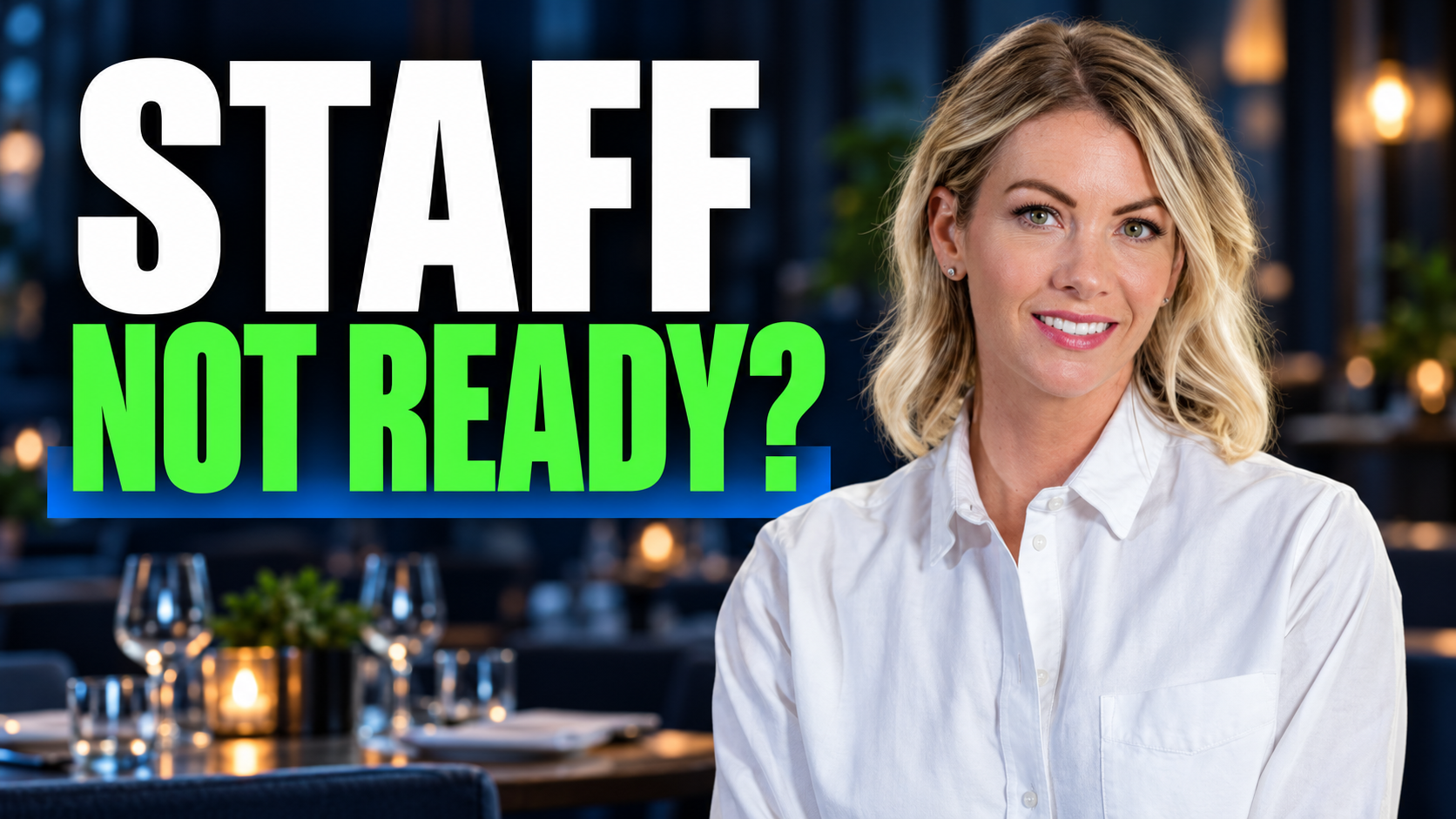
You’re short-staffed. Guests are arriving. A new employee is available, so you give them a section and hope they can handle it.
But are they ready?
Do they know the menu? Can they explain ingredients? Do they understand your service standards? Do they even know where everything is?
Restaurant staff training prepares employees to serve confidently and consistently. Rushing that preparation can put pressure on the new hire, the rest of your team, and the guest experience.
That was an important part of my conversation with Ami Alexander of Barrel Aged Management on episode 506 of the Restaurant Rockstars Podcast, “Why Your Restaurant Is Busy but Not Profitable.”
Drawing on her experience in restaurant and hotel hospitality, Ami discussed why onboarding, ongoing development, and clear standards deserve an operator’s attention. Her advice reinforced something I’ve always believed: training is an investment in your people and your operation.
What Happens When Restaurant Onboarding Is Rushed?
Ami described a situation many restaurant owners will recognize. An operation is short-staffed, so an employee takes a section on their second or third day.
That person may still be learning where to find basic supplies. Now they’re responsible for guiding guests through an entire meal.
Ami’s advice was to step back and consider whether every section should be opened that night. Would taking fewer covers allow the team to manage service more effectively?
That’s a difficult decision when you want the sales. But it forces an important question: can your staffing and preparation support the experience you’re promising?
I’ve seen managers turn new employees loose and hope for the best. That isn’t a strategy. People need proper onboarding, clear expectations, and the knowledge to meet those expectations.
Otherwise, we’re asking them to succeed before we’ve prepared them.
Hire for Attitude and Provide the Training
Ami explained that the hiring landscape has changed. In the luxury hospitality environments she discussed, operators once looked for years of experience in restaurants of a similar caliber.
Now, she places greater emphasis on personality, attitude, and character, supported by more substantial training and development.
That approach requires commitment from leadership.
If you hire someone with potential, you need leaders who can help develop it. Ami emphasized that a manager’s ability to run the floor or understand a profit-and-loss statement is only part of the job. Do they also enjoy teaching? Do they want to see employees grow?
She also raised the importance of daily lineup. Is it happening consistently? Is valuable information being shared?
Training needs to continue through the working life of the restaurant, rather than ending after the first few shifts.
How Ongoing Training Supports Staff Retention
Ami connected retention with giving employees opportunities to learn and develop.
She shared examples such as a barback joining spirits training and following a development plan toward becoming a bartender. A server interested in management might shadow managers and other positions. Someone interested in wine could pursue further education.
These opportunities help employees see a future within the organization.
In my restaurants, developing leaders started with recognizing talent, giving people additional responsibility, and incentivizing that responsibility.
But not everyone wants to move into management.
During our conversation, I talked about an excellent grill cook who stayed with me for roughly 18 or 19 years. He didn’t want to do something else, and I respected that.
Get to know your people. Some want an upward path. Others want to excel in their current role. Both deserve your attention and recognition.
Protect the Service Standards Your Team Has Earned
Ami made another point that deserves attention: putting an unprepared person on the floor affects the employees who have already completed the training.
Serving requires more than taking an order. Employees need menu knowledge, ingredient awareness, an understanding of allergies, and the ability to manage different guests and expectations.
When someone moves from food runner or back waiter to server, Ami emphasized a consistent process. Shadowing, training hours, and testing should mean something.
That preparation helps the existing team welcome someone who has earned the responsibility. It also reinforces that management respects the work required to do the job well.
Guests should receive a consistent experience regardless of which section they sit in. Your standards shouldn’t depend on whether their server has been with you for ten years or is working their first independent shift.
Cross-Training Helps Your Team Support Each Other
In my restaurants, we trained beyond job titles.
Our back waits and bussers knew the wine list. If a server was in the kitchen attending to another table, a trained team member could notice an empty wine glass, ask whether the guest wanted another, enter the order, and help deliver it.
That is choreographed service.
The guest receives attention while the server is occupied elsewhere. The team has a backup plan because people have been prepared to contribute.
I’ve always viewed cross-training as an investment in service and retention. Employees learn new skills, receive additional responsibility, and have an opportunity to shine.
Ami agreed with the value of that development while emphasizing the need for a methodical process. Expanding someone’s responsibilities should come with the preparation to carry them out.
Better Service Starts Before the First Order
Training also shapes how guests feel about the value of their experience.
Ami explained that even when the food is good, disappointing service can undermine that value. She placed particular emphasis on the arrival experience and the server’s first contact with the table.
Guests shouldn’t stand at the host station wondering whether anyone has noticed them. A seated table shouldn’t make eye contact with a server only to watch that person walk away without acknowledgment.
Ami described a thoughtful arrival process: check guests in, guide them to the bar or table, engage with them, and make a clear handoff to the server.
That first interaction helps guests feel they’re in good hands.
As Ami explained, an attentive first touch can provide some breathing room if something takes longer later. Guests have already seen that someone cares about their experience.
Those details are part of hospitality, and they require preparation.
Appreciation Matters Alongside Development
Independent restaurants may not offer the same benefits as larger hotel organizations. Ami acknowledged that, but she also discussed why some employees prefer a smaller operation.
A close team, a good family meal, flexibility around time off, and a culture of appreciation can contribute to the employee experience.
She shared examples of charitable initiatives and talent shows that allowed employees to contribute beyond their everyday roles.
That connects with how I think about empowerment.
Get to know what your people enjoy and what they do well. Someone may have artistic, creative, or social media skills you haven’t discovered. Recognizing those abilities creates opportunities for people to bring more of themselves to their work.
Training and development matter, but so does feeling seen.
Where Should Restaurant Owners Start?
Before your next busy shift, take an honest look at how people are being prepared.
Are new employees trained before they receive independent responsibility?
Are expectations and training requirements consistent?
Do managers make time to teach?
Does daily lineup provide useful information?
Can trained team members support each other during service?
Do employees know what development opportunities are available?
The pressure to fill a schedule is real. Filling a position, however, doesn’t complete the work of preparing someone to succeed.
Your team needs knowledge, support, and clear expectations to deliver the hospitality your guests came for.
Frequently Asked Questions About Restaurant Staff Training
Why is restaurant staff training important?
Restaurant staff training prepares employees to understand the menu, carry out their responsibilities, and deliver consistent service. In our conversation, Ami Alexander also emphasized ongoing development as part of giving employees reasons to stay.
Should a restaurant open every section when employees are still training?
Ami recommends considering whether the team is prepared to support every section. Taking fewer covers may be worth considering when the alternative is assigning unprepared employees independent responsibility.
How does cross-training improve restaurant service?
Cross-training prepares employees to assist beyond their usual duties. In my restaurants, trained back waits and bussers could help with beverage recommendations and orders when a server was occupied elsewhere.
Does every restaurant employee need a promotion path?
Employees should have opportunities to develop, but their goals differ. Some want leadership responsibilities, while others want to excel in their current position. Recognizing and respecting those differences was part of our discussion.
How can independent restaurants give employees reasons to stay?
Ami discussed ongoing development, a close team environment, thoughtful staff meals, flexibility, and appreciation. These are ways smaller operations can strengthen the employee experience even when they cannot offer the benefits of a larger organization.
Listen to Restaurant Rockstars Podcast episode 506, “Why Your Restaurant Is Busy but Not Profitable,” for my full conversation with Ami Alexander of Barrel Aged Management.
Ready to simplify, streamline, and elevate your restaurant operation?
Join The Profitable Restaurant Operator Academy:
https://www.restaurantrockstars.com/joinacademy
Watch the Interview

Free Restaurant MasterClass

Get the systems, tools, and training you need to improve your team, operations, and profitability inside The Profitable Restaurant Operator Academy.