Restaurant SOPs, short for standard operating procedures, work best when they tie production, labor and culture together, according to Lance Trenary, president and chief executive officer (CEO) of Golden Corral. On Restaurant Rockstars episode 511, he explains how a national buffet chain handles prep, staffing and guest value, and what independent owners can borrow.
Roger sat down with Trenary to talk about the systems behind a buffet with about 150 items, and the people practices that keep turnover low.
How Do Restaurant SOPs Control Prep and Waste?
The short answer from Trenary is that timing and forecasting drive everything. Golden Corral plans in 15-minute increments. The company knows how many guests it expects and how much of each item it should go through, based on historical averages. Trenary says artificial intelligence continues to enhance those tools.
Most products are made from scratch, and many take more than a day. His example is pot roast, which takes 13 hours to slow roast. That means the team must know the day before what guest count to expect.
Trenary was candid that this has become harder. He says guest counts are more unpredictable than they used to be, with spikes around holidays and erratic day-to-day dining. When a tightly tuned system meets unpredictable traffic, operators have to guess and adjust quickly.
How Do You Control Kitchen Labor With SOPs?
Trenary says labor is a big part of the equation, so Golden Corral measures it closely. Just before COVID, the company had a group measure the production time for every item it makes. He says that includes tuna salad, seafood salad and hand-carving and seasoning steaks.
That lets managers match production time to the prep cycle. A prep person comes in to make a set number of items, such as 19 in his example, with a known amount of time to do it. If someone falls behind or gets ahead, cross-trained team members step in to help.
Trenary also keeps servers in the model. He believes hospitality should not go away just because a restaurant is a buffet. Servers deliver drinks, clear dishes and bring fresh yeast rolls or desserts to the table.
What Does Value Mean to Guests Right Now?
Trenary says value is much more than price. Guests want hospitality, a clean environment, and variety so everyone at the table finds something they enjoy. Because they may dine out only two or three times a month, they want the best overall experience for their money.
He describes the model as high volume with a small margin on a lot of guests. Golden Corral also uses promotions to stay top of mind. A recent kids promotion, with discounts in some cases as much as seven dollars, produced almost a seven-point meal count change overnight. Trenary notes it is very expensive to do, but it got the brand into the conversation.
How Does Golden Corral Keep Turnover Low?
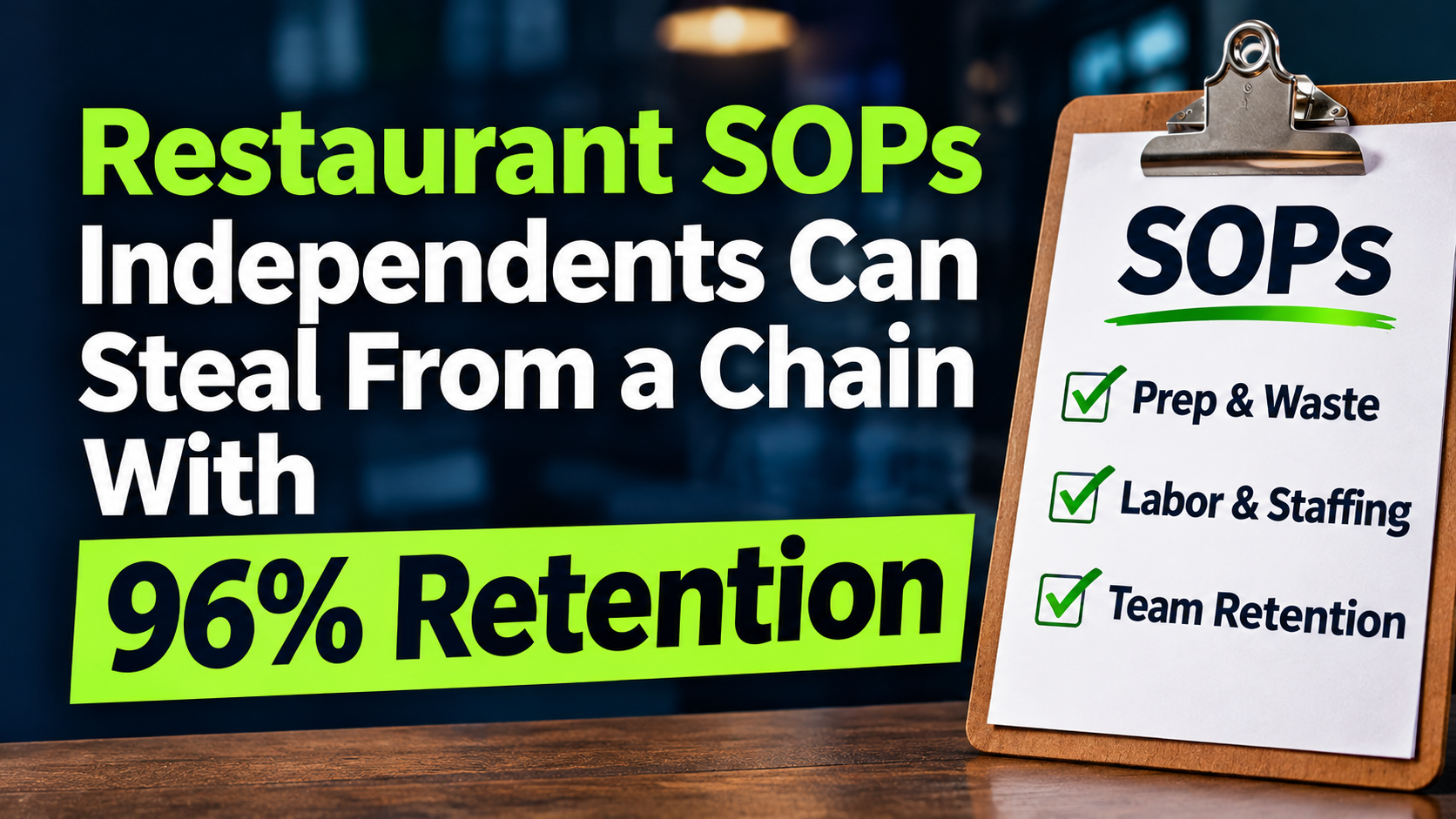
Trenary says the company spends more time on retaining than recruiting. For the corporate part of the business, he reports retention of about 96 to 97 percent, or roughly 4 percent turnover.
He points to culture as the foundation. Every manager candidate meets with him once a quarter for a culture talk about the company's 10 beliefs and values. He says pay matters but is usually third or fourth on the list. Employees want to know whether their manager cares, listens and asks for ideas.
He also describes a career path approach. Trenary started washing dishes in his father's restaurant at age eight. He shares the story of a franchisee in the Raleigh market who started as a server and worked up to owning three restaurants.
What Recognition Programs Does He Recommend?
Beyond service pins and employee of the month, Golden Corral awards wellness days to restaurant management teams when the company is on plan at midyear. The number of days depends on tenure, and the company pays for the trip, asking only for a photo of the person unwinding.
The company also has GC Cares, a fund that helps team members facing hardship such as a medical situation or a death in the family. It is funded partly by corporate and partly by voluntary franchisee contributions.
Key Takeaways
- Forecast guest counts and product use in small time blocks, then prep to the forecast.
- Measure the production time for every item you make.
- Cross-train so people can help each other when someone falls behind.
- Keep hospitality in the model, even when technology could replace a touchpoint.
- Define value as the full experience, not only price.
- Spend more effort on retention than recruiting.
- Ask frontline team members what guests leave on the plate.
Frequently Asked Questions
Q: Who is Lance Trenary?
A: Lance Trenary is the president and CEO of Golden Corral. He says he has been with the company for 41 years and is only its third CEO in a 53-year history.
Q: How does Golden Corral plan how much food to prepare?
A: It plans in 15-minute increments using historical averages. Trenary says the team knows expected guest counts and how much of each of its roughly 150 buffet items to go through.
Q: What does Trenary say matters more than pay for retention?
A: He says employees want to know that their manager cares, listens, gives them a say and asks for ideas. Pay is important, he says, but usually third or fourth on the list.
About the Host
Roger is a restaurant entrepreneur with 25+ years of industry experience and the founder and host of Restaurant Rockstars, a trusted resource for owners who want to increase profits, streamline operations, and build thriving businesses. Through real-world strategies and conversations with industry leaders, he helps restaurant operators lead stronger teams, maximize profitability, and achieve lasting success.
Listen to or watch the full Restaurant Rockstars episode 511 with Lance Trenary of Golden Corral for more operating lessons from a national chain.