The Restaurant Profit Strategy Most Operators Overlook

When restaurant profit begins to shrink, most operators look first at food cost, labor cost and menu prices.
Those numbers matter. You need to know them, track them and keep them under control. But they do not tell the entire story.
One of the most important restaurant profit strategies is also one of the easiest to overlook: build a restaurant your people can operate successfully.
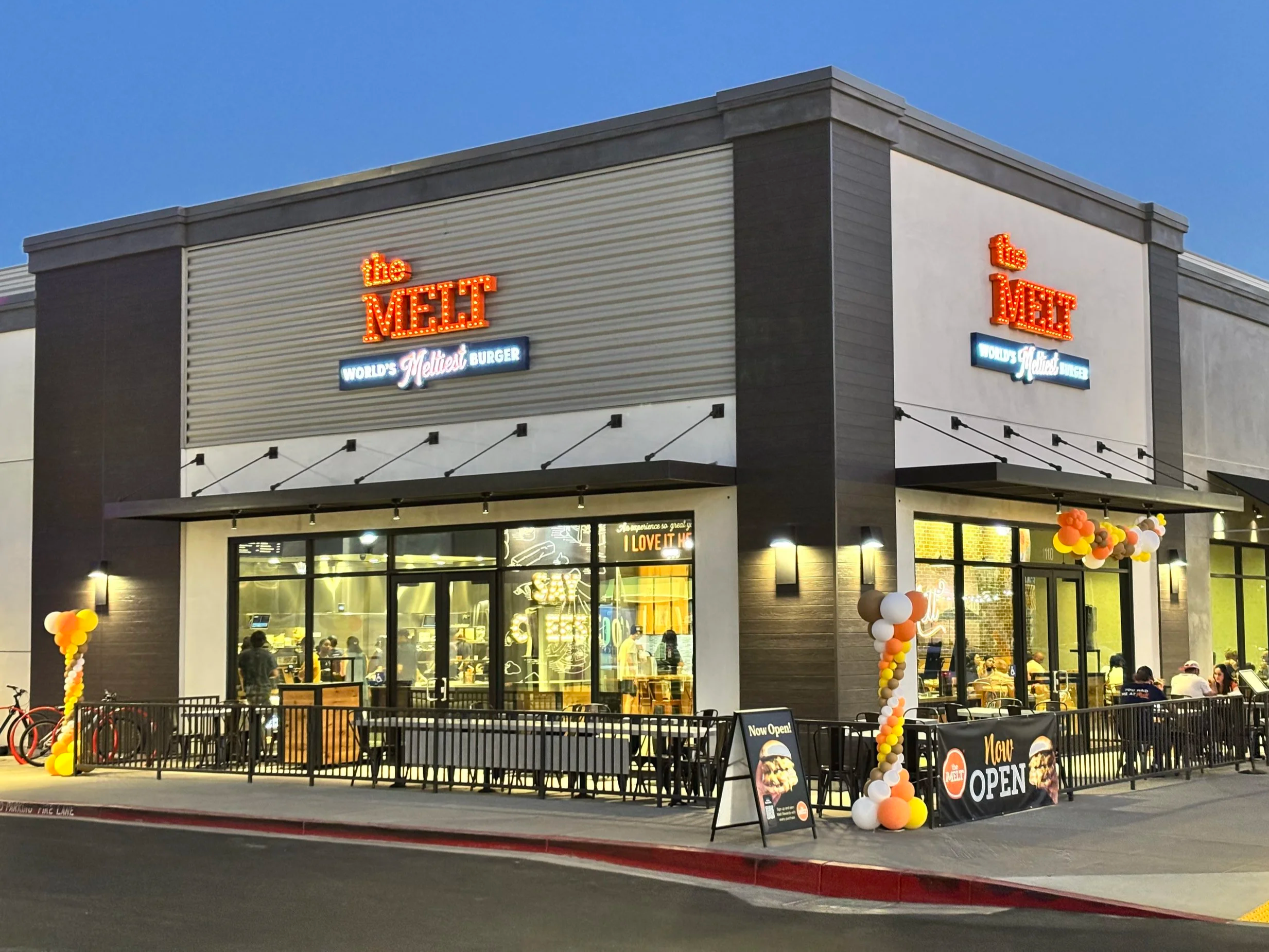
I recently spoke with Greg Vojnovic of The Melt about the connection between restaurant culture, operational simplicity and profitability. Greg is a third-generation restaurant professional whose career has included leadership roles with several major restaurant brands.
His central message was powerful: restaurant profitability is not created only in a spreadsheet. It is created through thousands of decisions and moments of execution inside the four walls of the restaurant.
Here is what restaurant operators can learn from Greg and The Melt.
Restaurant Metrics Tell You What Already Happened
Food cost, labor cost and sales per labor hour are essential restaurant metrics. But as Greg explained, they are often lagging indicators. They tell you the result of what has already happened.
The real drivers are the people preparing the food, serving the guests, managing the shift and making decisions throughout the day.
If team members are engaged, well trained and given systems they can execute consistently, performance improves. If the operation is confusing, understaffed or unnecessarily complicated, the numbers eventually reveal the damage.
That means operators cannot manage profitability only by staring at reports. You also need to look closely at what is happening during each shift.
Can the team execute the menu consistently?
Do employees understand what is expected of them?
Are managers given enough resources to run the restaurant well?
Is the operation becoming more complicated than it needs to be?
Do guests receive the same level of food and hospitality every time?
The answers to those questions often explain the financial results.
Sales Matter, but They Must Be Profitable Sales
Greg believes strongly in driving the top line. As the old saying goes, sales cure many problems.
But more sales do not automatically create more profit.
This is where my own work with restaurant menu profitability comes into play. I have analyzed menus where lower-profit items were stealing sales from items the restaurant would be better off selling. In some cases, the lost profit potential can add up to hundreds of thousands of dollars per location over a year.
A restaurant needs sales, but it needs the right sales.
That requires a menu that is:
Profitable by design
Appealing to the guest
Easy for the team to understand
Practical for the kitchen to execute
Supported by employees who can confidently make suggestions
Sales and profit must work together. Otherwise, a busy restaurant can still struggle financially.
Stop Searching for a Silver-Bullet Menu Item
Restaurant operators naturally pay attention when a competitor launches a wildly successful product. The temptation is to believe that the next viral item or limited-time offer will transform the business.
Greg cautioned against chasing that kind of silver bullet.
He pointed to the extraordinary success of the Popeyes chicken sandwich. Many restaurant brands attempted to create their own version of that moment, but a social-media phenomenon like that is rare.
Long-term restaurant success is much more likely to come from consistent daily execution than from one viral product.
Before adding another menu item, promotion or limited-time offer, consider what it requires from the team. They need to learn the ingredients, preparation, presentation, packaging and sales message. The kitchen may need another process, piece of equipment or storage area.
Every addition creates another opportunity for inconsistency.
The Melt takes a disciplined approach. According to Greg, the company has built a balanced menu and may wait two or three years before adding a significant new item. That restraint helps protect execution.
Operational Simplicity Is a Restaurant Profit Strategy
Running a restaurant requires managing hundreds of details. When leadership continually adds procedures, products, technology and tasks, the burden placed on the restaurant team keeps growing.
Eventually, even strong employees can struggle to execute everything consistently.
Greg explained that The Melt’s leaders work to design the operation so employees can be successful in a busy restaurant without making the job unnecessarily complicated.
This does not mean lowering standards. Greg was clear that The Melt expects its people to perform. The difference is that leaders take responsibility for creating an operation the team can realistically execute.
Before adding anything new to your restaurant, ask:
Will this make the restaurant better, or will it simply make the operation more complicated?
That question applies to menu items, technology, promotions, policies, reporting requirements and even meetings.
Give Restaurant Managers the Resources to Succeed
When financial performance falls short, reducing scheduled labor can produce an immediate change on a report. It can also make the restaurant much harder to operate.
Greg shared an example from earlier in his career where leadership responded to disappointing numbers by pulling labor hours from restaurants. The restaurants were then left without enough resources to run the business successfully.
The Melt takes a different approach. Greg said the company focuses on giving general managers the resources they need and then holding them accountable for execution.
At the restaurant level, managers concentrate on hospitality, speed of service, accuracy, training and consistent operations. District managers take greater responsibility for leading the financial performance.
This allows general managers to focus on the work that ultimately produces the numbers.
Accountability is important, but accountability without adequate resources sets managers up to fail.
Culture Is More Than a Mission Statement
Restaurant culture is not a framed statement hanging in the office. It is what employees experience every time they come to work.
It is how leaders communicate. It is how the front and back of house work together. It is how employees are treated during a difficult shift. It is whether managers feel supported and whether guests feel genuinely welcomed.
Greg described The Melt’s culture with one simple phrase: “I love it here.”
The phrase originated with a guest at the company’s Stanford restaurant. CEO Ralph Bower recognized that it captured the experience The Melt wanted to create for both guests and employees.
According to Greg, that culture begins at the top. It is reflected in how leaders treat managers, how managers develop their people and how the organization responds to guest feedback.
Culture becomes a profit strategy because it affects:
Employee engagement
Hospitality
Guest satisfaction
Consistency
Recruiting
Retention
Leadership development
Daily execution
These factors eventually show up in sales and profit.
The Real Labor Challenge Is Keeping Your Best People
Many restaurants can hire employees. The more difficult challenge is retaining the strongest ones.
Greg believes good employees often leave because of weak leadership or an environment that does not allow them to succeed. When people enjoy their work, feel respected and have opportunities to advance, they are more likely to stay.
The Melt also benefits from employee referrals. Greg explained that team members who enjoy working together tend to recommend people who will fit the environment. They may even discourage the company from hiring someone they know would not be a good fit.
That creates a powerful cycle: strong people help attract other strong people, and a healthy culture gives them a reason to remain.
Develop Restaurant Leaders From Within
Greg emphasized that not every manager is automatically a leader.
At The Melt, leadership potential is closely connected to culture. The company looks for people who pay attention to what is happening, care about hospitality and accuracy, and help others perform successfully.
Developing leaders internally has several advantages. These employees already understand the operation, expectations and culture. The organization has also seen how they respond under pressure.
Greg said The Melt’s assistant general managers want to become general managers, and shift leaders can see a path to becoming assistant general managers. That internal opportunity supports retention and gives the company a leadership pipeline for growth.
In fact, Greg explained that the speed at which The Melt can grow is influenced by how quickly it can develop qualified unit-level and above-unit leaders.
Growth is not limited only by capital or available locations. It can be limited by leadership capacity.
What a $6.1 Million Restaurant Teaches Us
The Melt’s Stanford-area restaurant offers a remarkable example of what stronger operations can produce.
Greg said the approximately 2,200-square-foot restaurant once generated about $1.5 million in annual sales. Today, it generates approximately $6.1 million from the same location.
He did not attribute that growth to a lucky location or what he called “magic dirt.” He credited better products, operations, execution, hospitality and consistency.
The location also benefits from strong throughput, late-night demand and delivery. Greg said The Melt generates about 40% of its sales after 8:00 p.m. and calls the business Melt After Dark. Delivery represents about 40% of company sales, reaching approximately 50% at its highest-volume location.
Those revenue opportunities work because the product and operation are designed to handle them. Sales growth without operational capacity would simply create longer waits, inconsistent food and disappointed guests.
Build Profitability From the Inside Out
Restaurant operators must monitor food cost, labor cost, pricing and every other key financial metric. But the numbers alone will not improve the business.
The deeper opportunity is to build an operation that supports profitable sales and consistent execution.
That means:
Designing a profitable, executable menu
Removing unnecessary complexity
Giving managers the resources to succeed
Building a culture employees want to join and remain in
Developing leaders from within
Listening carefully to guest feedback
Focusing on consistent execution instead of chasing every trend
Greg’s experience at The Melt demonstrates that culture and profitability are not separate priorities. When restaurant leaders create an environment where people can perform at a high level, the culture helps produce the financial results.
Before adding the next product, promotion, system or task, ask one question:
Will this help our people run a better restaurant?
The answer may reveal the restaurant profit strategy you have been overlooking.
▶️ Watch Restaurant Rockstars Podcast Episode 501
Connect with Greg & The Melt: Website | Facebook | TikTok | Instagram
Want to Up-Level Your Leadership Team? This course walks you through step-by-step…
Shift from traditional management to modern leadership in the hospitality industry. It emphasizes the importance of creating a positive company culture, where leaders lead by example, recognize and nurture talent, and empower employees. The goal is to build a work environment that feels like family and delivers exceptional guest service experiences through teamwork and mutual respect.