10 Restaurant Profit Strategies Every Operator Should Know

A busy restaurant isn't necessarily a profitable restaurant.
You can have a packed dining room seven days a week and still wonder why your bank account isn't growing.
After decades in the restaurant business, I've seen operators leave serious money on the table because of menu pricing, inconsistent portioning, weak staff training, poor inventory controls, and missed opportunities to increase sales.
The good news? There are practical ways to change that.
Here are 10 restaurant profit strategies you can put to work in your operation. I also break this down step-by-step on The Restaurant Rockstars Podcast…watch the video.
1. Cost Every Item on Your Menu
When was the last time you actually costed your menu?
If your answer is "about a year ago," that's too long.
Ingredient prices change. You can't randomly assign a menu price or simply look at what competitors are charging. You don't know their ingredients or their costs.
Every ingredient in every appetizer, entrée, and dessert has a cost.
For every menu item, you should know:
What it costs you to serve
Your cost of goods
What you're charging the guest
The item's profit contribution
Once you have this information, compare the profitability of your menu items with their sales volume.
Why?
Because low-profit items may be stealing sales from your most profitable menu items every single shift.
That's money you're leaving on the table.
2. Train Your Entire Team to Serve AND Sell
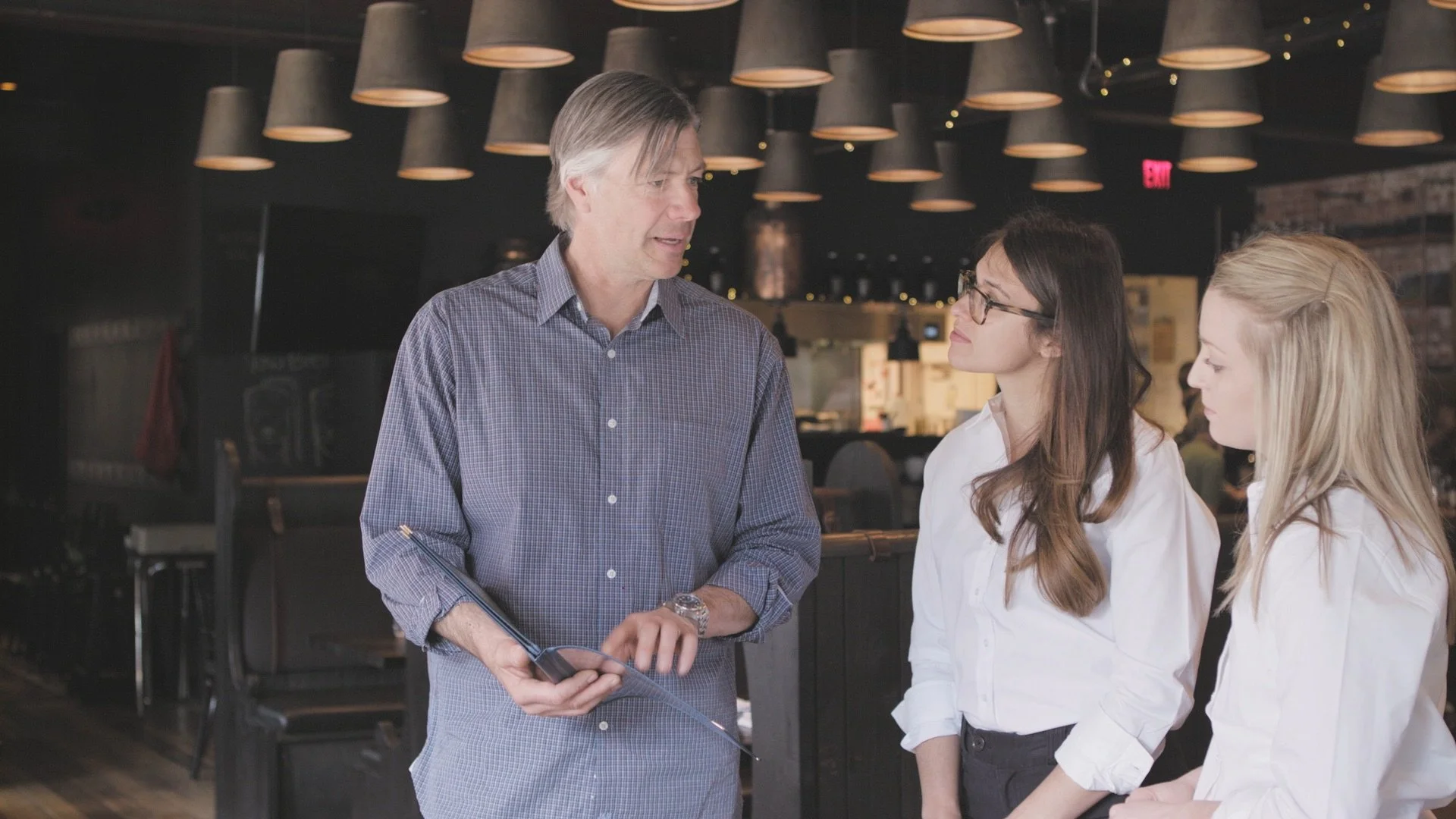
Great hospitality isn't just about being friendly.
Your team needs product knowledge and restaurant knowledge.
They should know your menu inside and out. They should be able to confidently answer guest questions without saying, "I don't know. Let me ask my manager."
They should also know what makes your restaurant unique.
What are your hooks? What gets guests talking? What makes them pull out their phones and take a picture?
Train your team to share those things.
Most importantly, don't allow your team to become order takers.
A guest might have ordered another drink, appetizer, or dessert if someone had simply made a great recommendation and planted the seed.
Stop Asking Yes-or-No Questions
Instead of:
"Does anyone want dessert?"
Give guests two compelling choices.
Bring each one to life. Make it sound so good they can practically see, smell, and taste it before it reaches the table.
Keep your team's skills sharp with:
Menu quizzes
Restaurant knowledge quizzes
Role-playing
Pre-shift training
Contests
Incentives
One contest we used was a restaurant version of Bingo. Each square featured profitable menu items or restaurant hooks we wanted the team to promote. The first person to complete a string of sales won a prize.
Training should be an investment in increased sales, not simply another labor expense.
3. Start a Mug Club
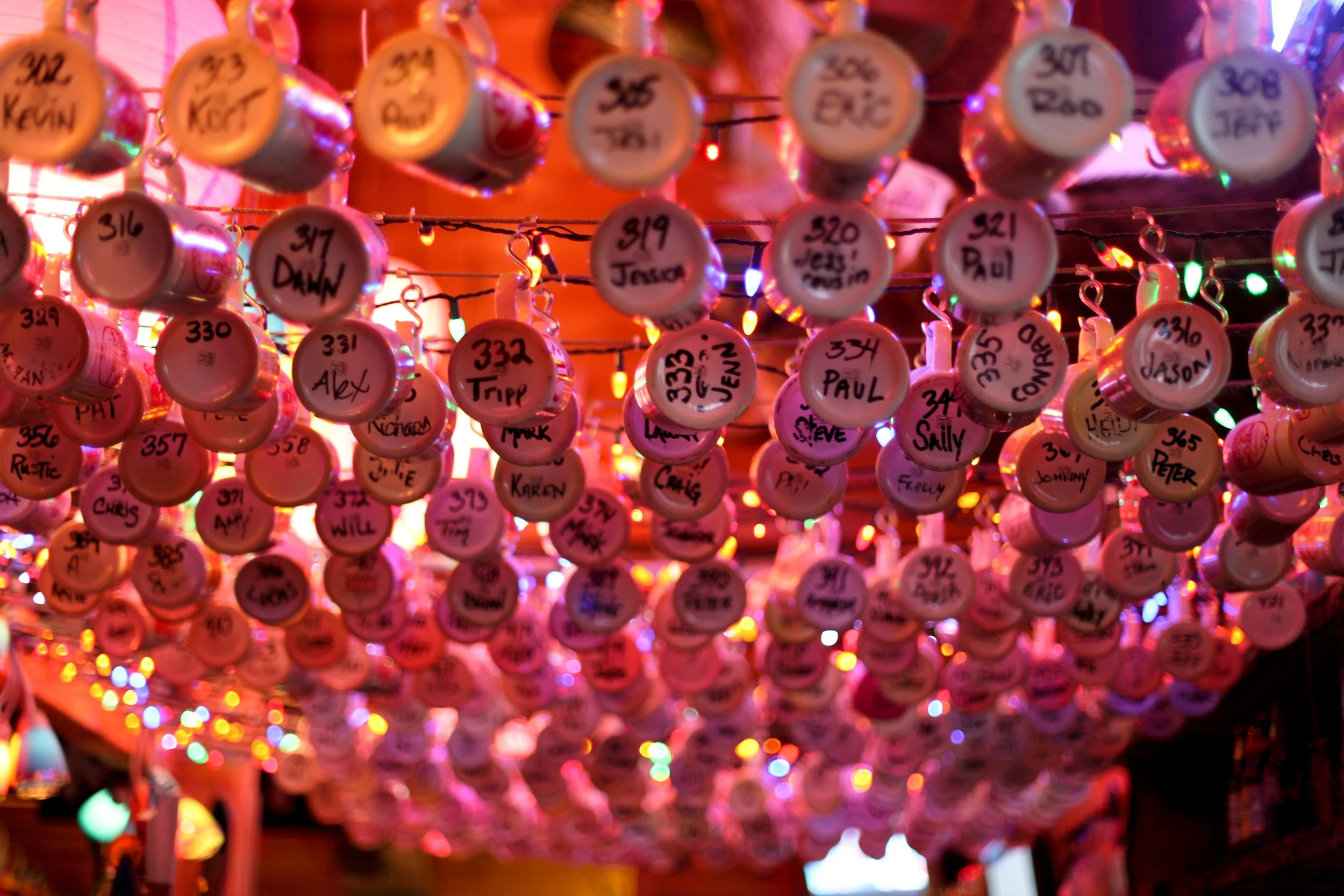
If you have a bar and sell draft beer, consider creating an exclusive mug club.
Members pay an annual membership fee and receive perks such as a larger ceramic mug, recognition from the staff, exclusive merchandise, and special treatment.
In one of my restaurants, what started with just 25 mugs eventually grew to 1,200 annual mug club memberships and approximately $75,000 in annual cash flow.
But the membership revenue wasn't even the biggest opportunity.
Customers who previously visited twice a month began coming in three or four days a week.
The restaurant became their clubhouse.
They brought friends. They became regulars. Spending increased.
A mug club also gives you an opportunity to build your own customer database so you can communicate directly with your best guests about entertainment, new menu items, promotions, trivia, and what's happening in your restaurant.
Own your data and make friends with your guests.
4. Create More "Cash Cows"
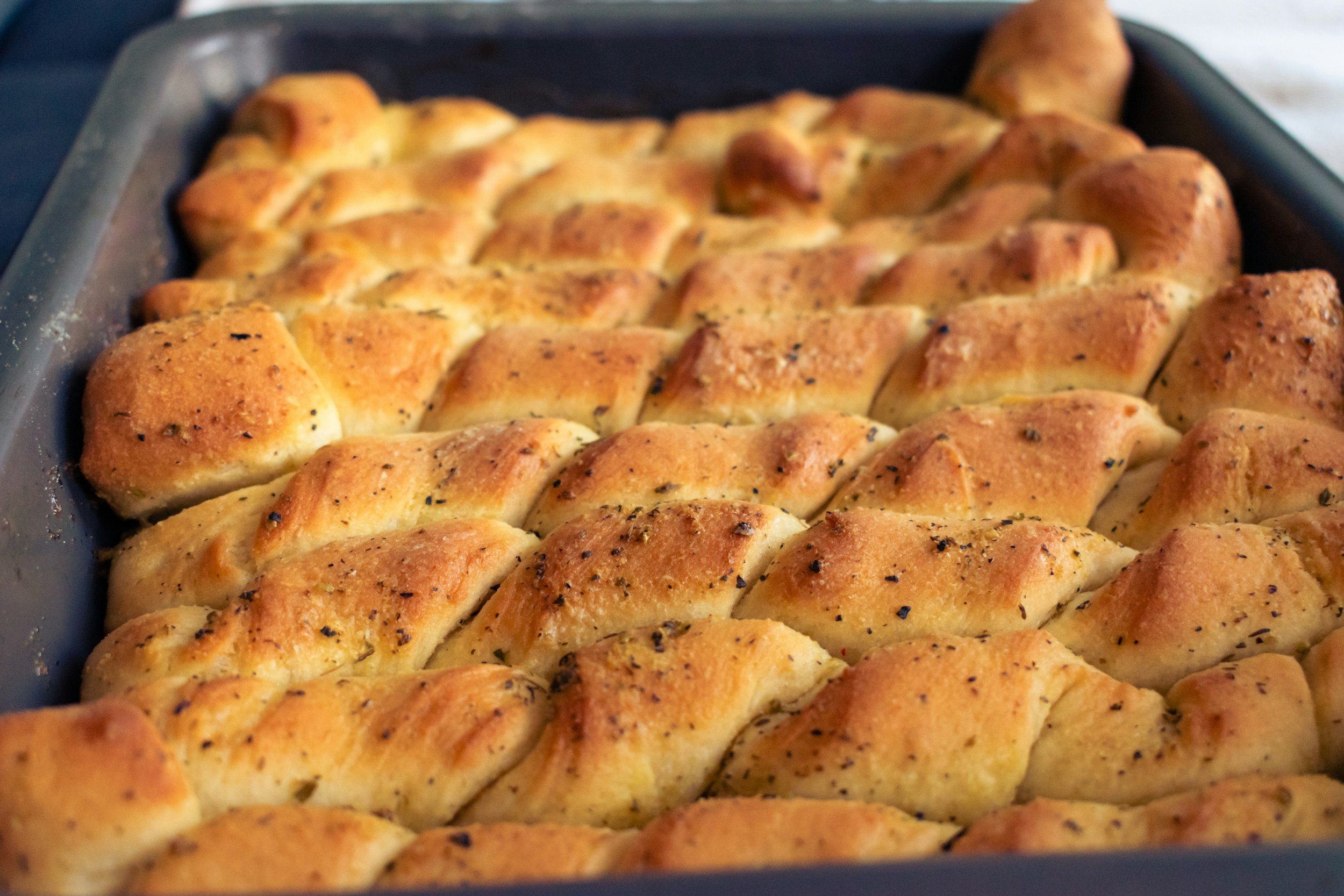
A cash cow is an item that costs relatively little to produce but has a high perceived value to your guest.
It has wow factor.
The guest sees it and thinks, "Wow."
They may even take out their phone, snap a picture, and share it on social media.
That's a restaurant hook and a high-profit menu item rolled into one.
Identify your cash cows, create more of them, and train your team to recommend them.
5. Know Your Restaurant's Prime Cost
Your prime cost is your food cost, beverage cost, and labor cost combined and expressed as a percentage of sales.
This is one of the most important numbers in your restaurant.
The target I recommend is to keep prime cost from exceeding 55%.
That means that for every dollar in sales, food, beverage, and labor combined should not exceed 55 cents.
The remaining 45 cents has to cover everything else: rent, utilities, maintenance, linens, trash, landscaping, and all the other expenses that come with running a restaurant.
Know this number.
6. Take Inventory and Control Portions
Inventory is money.
Food and beverage sitting in your restaurant can be sold for a profit, spoiled, wasted, or stolen.
If you're not taking inventory, you don't know where that money is going.
I recommend taking inventory four weeks in a row initially.
If your food cost jumps from 33% to 36%, then down to 32% and 29.5%, you have a problem. You don't really know where your food cost is.
Once you consistently hit your target for four consecutive weeks, you can move to a 30-day inventory count as long as you stay in your sweet spot.
Portion Control Matters Too
Years ago, I watched three cooks make the exact same pepperoni pizza.
One used 11 slices of pepperoni.
Another used 13.
The third used 10.
The specification called for 10.
A few extra pieces of pepperoni may not seem like much, but multiply that by every pizza, every shift, every day.
Then ask yourself: Where else is this happening?
Every menu item needs clear portion standards, including:
A photograph of the finished item
Proper training
Exact ingredient quantities or weights
Checks and balances
Consistency protects both your guest experience and your profit.
7. Sell Restaurant Merchandise
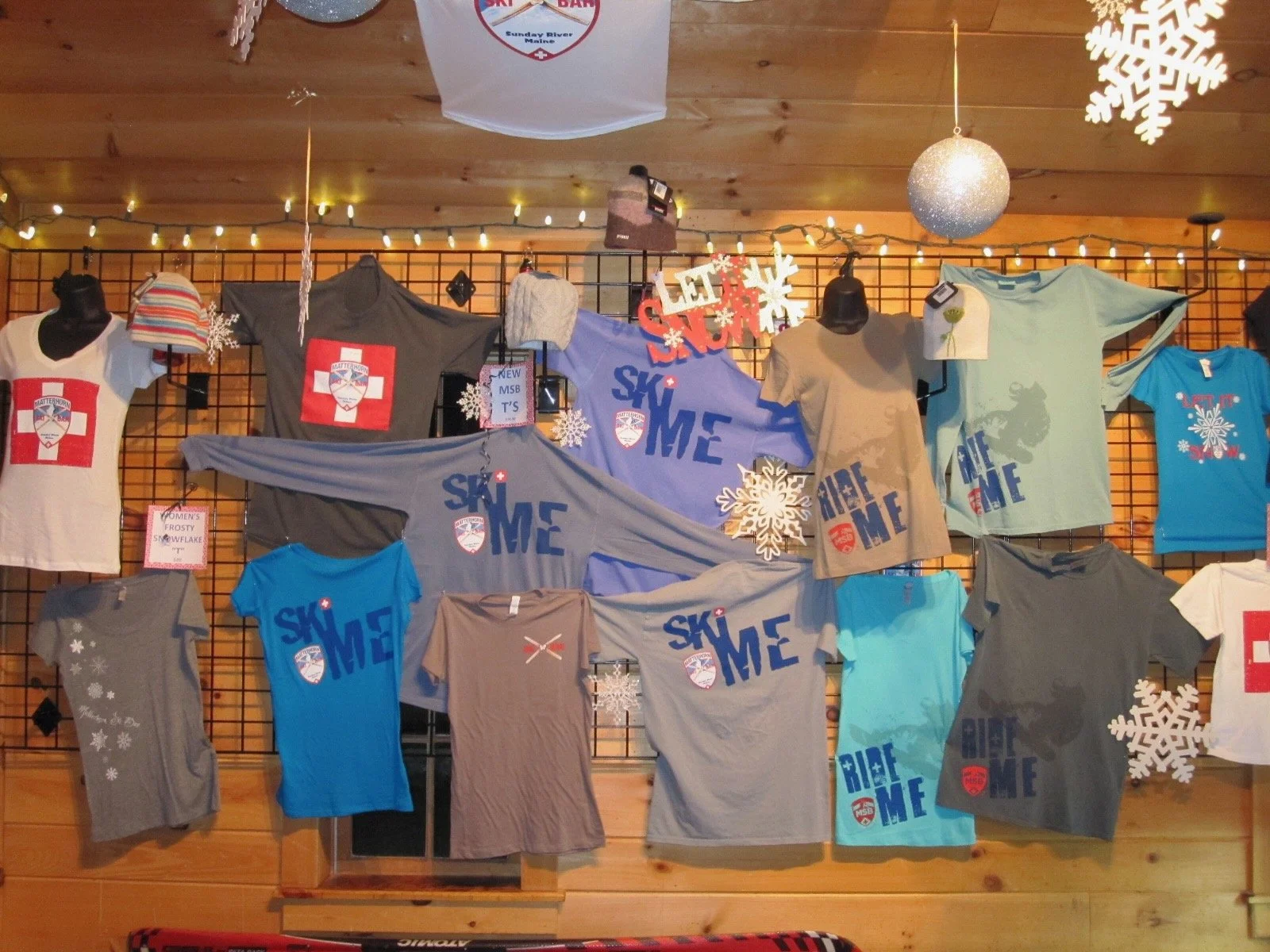
If you've built a strong restaurant brand with loyal fans, give them something they can take home.
T-shirts. Hoodies. Trucker hats. Flasks. Anything that makes sense for your restaurant and prominently features your brand.
Have your team wear the merchandise. Display it where guests can see it. Make it easy to buy.
Your guests are then paying you to advertise your restaurant.
That's a pretty good deal.
8. Turn Your Merchandise Into a Photo Contest
Want to make restaurant merchandise even more powerful?
Create a photo contest.
We encouraged guests to take interesting photographs anywhere in the world while wearing our merchandise with our logo clearly visible.
Then we chose a winner.
Guests got incredibly creative, and the contest gave them another reason to buy and wear our merchandise.
You can also ask suppliers to provide prizes.
Remember: You don't ask, you don't get.
9. Recruit Restaurant Employees Instead of Hiring Them
Stop relying exclusively on "Now Hiring" signs.
Instead, go to your A players and ask:
"Who do you know who would be a great fit for our culture?"
We incentivized our best employees to bring us great people.
If the new hire lasted 60 days, the referring employee received $100 and the new team member received $200.
By that point, we'd had time to train the new person and bring them into our culture.
B players can become A players, too.
They may have a great personality, strong reliability, and a genuine desire to serve people but lack experience.
Pair them with your A players through mentoring and shadowing.
Recruit. Incentivize. Mentor. Train. Build your dream team.
10. Recognize and Reward Great Restaurant Employees
Recognition is one of the most powerful ways to reinforce the culture and behavior you want.
Don't make it boring.
I created a program called Difference Dollars to recognize team members who went above and beyond, showed initiative, solved a guest problem, or helped another team member.
Twice a week, we gathered the team and publicly announced a winner.
I explained exactly what that person had done to make a difference, handed them a $20 bill and a can of Red Bull, and everyone celebrated them.
We also created certificates explaining what each winner had done and displayed them throughout the restaurant.
For $40 and two cans of Red Bull a week, we created healthy competition around teamwork, hospitality, initiative, and great guest service.
Eventually, my restaurants reached a 96% employee retention rate.
Restaurant Profitability Comes Down to Execution
Knowing what to do isn't enough.
You need systems that help you actually execute.
Menu costing. Profit analysis. Prime cost. Inventory. Portion control. Staff training. Mug clubs. Recognition programs.
These aren't theoretical ideas. They're practical restaurant systems designed to help you run a stronger, more profitable operation.
If you're ready to put these strategies to work, the Profitable Restaurant Operator Academy gives you the templates and tools to help you execute them.
Explore the Profitable Restaurant Operator Academy
The goal isn't simply to have a busy restaurant.
It's to build a restaurant that makes money.