The Systems Behind a Fully Booked Concept (And How to Scale Without Burning Out)
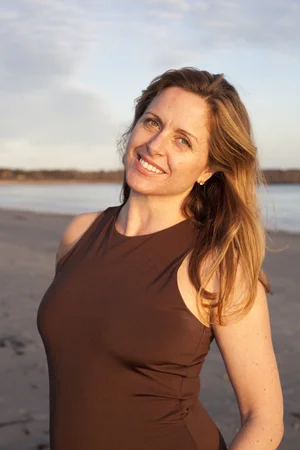
In this episode of the Restaurant Rockstars Podcast, Roger sits down with Jessica Zouaoui, founder of a highly successful and unconventional hospitality concept, Oakwell Beer Spa, that has redefined what it means to build a profitable, scalable business in today’s market.
What started as a bold and unfamiliar idea has grown into a fully booked, multi-location operation built without outside investors. Instead, the business was fueled by disciplined systems, strong leadership, and a relentless focus on delivering a memorable guest experience.
Jessica shares the real story behind launching a concept that most landlords and lenders initially struggled to understand.
Unlike traditional restaurants where the model is familiar, this business required a clear and compelling business plan just to get a foot in the door. That plan became the foundation not only for securing funding through nontraditional sources but also for guiding long-term growth and operational decisions.
One of the most powerful takeaways from this episode is the importance of systems in building a business that can scale. From day one, Jessica and her partner made a conscious decision not to create a business that depended on their constant presence. Instead, they invested heavily in operations manuals, training programs, and clearly defined processes. This allowed them to step back from the day to day and focus on expansion, ultimately opening a second location and preparing for franchising.
Staffing is another major theme throughout the conversation.
In an industry known for high turnover and inconsistency, Jessica explains how her team took a different approach. By hiring for personality and work ethic rather than just experience, and by offering full time positions with benefits such as paid time off and retirement plans, they created a culture of stability and accountability. This approach not only improved retention but also elevated the overall guest experience.
The episode also dives into the financial side of the business.
While the startup costs were significant and required bootstrapping through credit cards, auctions, and creative resourcefulness, the operating model was designed for strong margins. With a high average ticket value and relatively low ongoing costs compared to traditional restaurants, the business was able to generate consistent revenue and reinvest in growth. Jessica discusses how managing key performance indicators, monitoring costs, and comparing performance across locations became increasingly important as the company expanded.
Marketing plays a critical role in the success of a concept that most consumers are not actively searching for.
Jessica outlines a sophisticated strategy that includes search engine optimization, content marketing through blogging, influencer partnerships, and conversion rate optimization on their website. With the majority of bookings happening online, even small improvements in website performance have a measurable impact on revenue. She also highlights the growing importance of optimizing for AI driven search as consumer behavior continues to evolve.
Another key insight is the shift from selling products to selling experiences.
Rather than competing on price or food costs, this business focuses on delivering a unique and memorable experience that commands a higher price point. This approach not only increases profitability but also differentiates the brand in a crowded market. It reinforces a core principle that Roger often emphasizes: operators who focus on profit and experience will outperform those who focus solely on costs.
As the conversation moves into growth strategy, Jessica shares what it took to transition from one location to two, and why that step is often the most challenging for operators. Building a layered management structure, investing in leadership, and ensuring that each location can operate independently were all critical to success. These same systems are now forming the backbone of their franchise model, which is designed to scale quickly while maintaining quality and consistency.
This episode is packed with practical insights for restaurant owners and hospitality operators who want to move beyond survival mode and build a business that delivers both profit and freedom.
From bootstrapping and staffing to systems and scalability, Jessica’s story is a powerful example of what is possible when you treat your operation like a business first and a concept second.
If you are looking to improve your margins, strengthen your systems, and create a more scalable operation, this episode provides a clear roadmap. It is a must listen for anyone serious about growing a successful hospitality business in today’s competitive landscape.
-
Roger Beaudoin: Hey everybody. Welcome back. This is the Restaurant Rockstar Podcast, and Jessica, welcome to the show today. How are you?
Jessica: I am doing well. Excited to be here.
Roger Beaudoin: here. You know, I speak to a lot of restaurant owners and I coach and I consult and I advise people, and I've always thought that it was so important. I tell people, don't sell food and drink.
Don't run a restaurant, but sell. Experience and run a business. And you and your husband are certainly doing this and we're gonna dive into your concept a little more, but let's talk about some operational topics. And I, I'd like to know, you guys are both business people. You spent time in the corporate world, your husband's got an MBA.
Did you write a business plan before you started your concept? And do you
Jessica: Oh, we did.
Roger Beaudoin: well as a roadmap?
Jessica: Yes. Yeah. So in order to get funding, right, or in order to have landlords consider us for their commercial spaces, we had to have a business plan, especially for a concept as wacky, I should say, as a beer spa that no one has heard of before. Right? So you can't just [00:01:00] go in and say, Hey, I'm opening a pizza restaurant.
Like everyone kind of knows what you're getting into, but when you say, Hey, I'm opening a beer spot. You need to explain in a little bit more detail. And other than just the, the exciting part of drinking beer while sitting in a tub, they also wanna know that you have a business plan behind it. So yes, that was definitely an important part, um, of our startup process.
Roger Beaudoin: You probably had most of our audience when you said the word beer. You know, it's funny, it's so, it's so popular now. Startup expenses in this business can be really, really daunting. Do you have, um, investors, did you get any commercial funding as you personally finance? Like how did that all work out?
Jessica: Yeah, so we did not want outside investors. We wanted to maintain a hundred percent equity. Um, so at the beginning when we first moved to Denver to open this concept, we were looking for loans and grants. Um, Denver is a really great city. They have a, uh, office of Economic Development that it actually offers low interest rate loans, uh, to businesses that can get traditional [00:02:00] funding.
So, because we didn't have two years of p and l, um, and you know, the experience was kind of different. Weren't able to go to your Bank of Americas or your Chase or your Merrill Lynch and just get a traditional construction loan. Um, so, you know, the city of Denver offered us, um, funding for half of the project, and then the other half came from a nonprofit lender.
Um, kind of the same deal. Like they work with smaller businesses, um, often that have a, an interesting angle like we're a women-owned business, for example. Um, and they provide, you know, this. For the nonprofit lender, it wasn't low interest rate like the city was, but still they offered loans to people that can't get traditional funding.
Um, so the city and this nonprofit lender ended up going half and half. Um, in, on our first location. However, a caveat of the, the Office of Economic Development with the city was that we had to be in an area that was in need of economic development. So there was a very specific map of what parts of the city, um, that we had to be located in.
Specific number of jobs that we had to create, um, [00:03:00] because the whole purpose of this program was to revitalize certain neighborhoods within Denver.
Roger Beaudoin: Understood. Now many of our audience has started their own restaurants and even gone on to multiple locations, but it's always the goal to grow your business. You know, we were chatting about that earlier. What were some of the biggest challenges that you faced and overcome? Before you opened the doors to the first location, do you recall if you go back in time?
You know, I can't believe that happened. Oh my gosh. We got past it, but there's a lot. It's pretty daunting to start a new business from scratch, especially when you say it's a wacky idea, right? You had
Jessica: It is.
Roger Beaudoin: What were some of those challenges?
Jessica: Yeah, so we were extremely underfunded. So, you know, we came up with this business plan. We had an idea of, you know, how much it was going to cost just based on purely, you know, research of cost per square foot for construction. But, but at the end of the day, like we had private spa suites, all of our private.
Pho suite, there's a tub, there's a shower, an infrared sauna. It's heavy equipment, [00:04:00] um, heavy plumbing. And so our projected budget for construction was way less than what the actual budget was going to be. So, um, you know, aside from finding the commercial space, which was, you know, one of the biggest hurdles that we had to get over, um, at the time when we moved to Denver, this was in 2019, and so the commercial vacancy rate was 2%.
So there was. 98% occupancy with the square footage that we were looking for. So landlords didn't even want to talk with us at the beginning. Um, they were really looking for, you know, proven tenants, you know, seven elevens or, or people that they knew what they were doing. Um, so coming in, you know, new business owners concept that they, they've never heard of before, um, didn't really have all the funding put together.
It was even hard to get a commercial space. Um, but then after that, you know, we got our loan. And started the construction process and we realized that we were really underfunded. So, uh, as most people do, we, we bootstrapped, um, I have quite a lot of stories from the startup phase, but you know, during [00:05:00] this time we had quit our corporate jobs in New York City when we moved here to do this.
So we didn't have any. Personal income either. Um, so we were maxing out credit cards, I mean, as many credit cards as we could get, maxing 'em out, just, you know, fingers crossed that we'd be able to pay them off, which fortunately we did. Um, you know, we were then putting all of this equipment and stuff on our credit cards to get credit card points, the points we would then convert into Walmart gift cards that we could buy, you know, uh, uh, the pillows for the couches that we need in the top room.
Um, this was also during COVID that construction was. Going on. And so, uh, I ended up selling my blood plasma because I could get like a hundred bucks a pop. And so in between doing construction, I go sell my blood plasma, um, use that to purchase things for the business. Uh, you know, this was an unfortunate time for a lot of people during COVID that businesses were closing.
But good thing for us, we, um, were turned onto the concept of auctions. So a lot of these. Businesses, um, were restaurants that were [00:06:00] closing and were able to go and bid, um, on their equipment that, you know, were sometimes rough in rough shape, but we could rehab them at the end of the day. Uh, you know, getting a walkin cooler for $200 as opposed to $12,000.
Um, it really saved us. So, I mean, we spent our time going to these auctions. You would have to inspect the equipment and then bid on them. We didn't have a vehicle at the time because we had just moved here from New York City. So we would rent U-Haul or cars to go then pick up this equipment and move them to our space.
Uh, but the auctions really saved us, I would say more than 50% of the equipment and furniture, um, within our space, came used from these auctions. And of course we'd have to rehab them, like, you know, get the rust off of them, repaint them. Um, but at the end of the day, you know, the space really came together beautifully.
And our guests don't know the difference.
Roger Beaudoin: We have so much in common. You know, 30 plus years ago, I bootstrapped my first restaurant. It was six miles away [00:07:00] from all the action. It had a leaky roof and no parking, and it had been four failed restaurants before I got there. And we had a commercial loan. And, um, it wasn't quite as much as we needed. We maxed out the credit cards too, but a lot of my audience don't know this, but I, we hired a chef, okay.
And he was just amazing. Like the food this person put out was unbelievable. He cooked. Multiple. A couple of weekends. When we first met him, he just cooked and cooked and cooked and everything he ate was like, oh my God, our guests are gonna love this. he turned out to be a professional conman and he stole $40,000 of our startup capital under the pretense of being at an equipment auction.
It's a foreclosure that. out and all the, all the equipment we need is here. It's pennies on the dollar. I'll get a U-Haul truck. And the truck never showed up and neither did the chef. Okay. So I, I totally relate to what you're saying that, that's awesome. You're, you're bringing me back. Let's talk about now you started, what, what year did you say you started the first [00:08:00] location
Jessica: So we opened in February of 2021, so in a couple of days we'll be celebrating five years in business.
Roger Beaudoin: and then your second location, how long afterwards?
Jessica: Yeah, so we officially opened our second location in April of 2025. So we're almost at one year in business. Um, we knew pretty quickly that we were going to need to open a second location in order to scale. We had in mind from the beginning that we wanted to franchise, and because we bootstrapped the first one, um, you know, we had no idea of accurate.
Construction timing, construction costs. Um, you know, the materials that we used for the first location were not construction grade materials. I mean, I was buying cabinetry at Home Depot and painting them myself. And, um, the tile was coming from floor and decor. Uh, so we knew that we needed to go through the.
Construction process again to get better idea of, you know, how much does this really cost to build out? We're not expecting our franchisees to be installing, you know, furniture and painting cabinetry, um, but also the construction [00:09:00] timeline. It took us two and a half years to build out the first location because we were underfunded and we're doing a lot of it ourselves.
Roger Beaudoin: Yeah.
Jessica: but that's obviously not something that you could. Sell to a franchisee. You can't say, Hey, it's gonna cost you 2 million bucks to open, open one of these and it's gonna take you two and a half years, have fun. You know, that's, that's not an enticing sell. Um, so we, we knew we had to go through that process again, but it was really finding the right location to put the second one.
Um, we didn't want it to be too close to our original location to where we would cannibalize our own business, uh, but we wanted to be in the same market where we already had brand recognition.
Roger Beaudoin: Jessica, if I might interrupt you, how far,
Jessica: Sure.
Roger Beaudoin: were the distance between the two locations?
Jessica: Yeah, so it's a 30 minute drive, 30 to 45 minute drive. Um, and it's also in a very different area. Our first location's in downtown Denver, um, in the Rhino Neighborhood.
So it's in the hipster kind of, uh, brewery restaurant neighborhoods. So we get a lot of tourists there. The second location we wanted to do in the suburbs, um, to prove that the concept works in a, [00:10:00] you know, urban center downtown as well as in the suburbs. Uh, but we just had to figure out which, which location, if we were going south, west, or north, and we ended up going south.
Roger Beaudoin: So let's talk about, uh, the word challenge keeps coming up because this is the most challenging business I've ever been in, and I've been in a lot of different businesses. But audience might be interested, those that have a single location. How can you be in two places at once and what are the key things you need to do in order to. Move on to the next location. We'll get to franchising in a moment, but from one location at two they say is the hardest. And then after that you get a system dialed and you just follow the roadmap. But there's so many little pieces there. Tell us about what, what that took for you to.
Jessica: Yeah, I mean the biggest thing is building out and training the right team. We were very adamant, like from day one it this store cannot rely on just. And Damien being there. Like, if the store only works when we're in the store, then we're never gonna be able to scale. We're never going to be able to escape.
And to your point, I [00:11:00] hear the story all the time, especially in the restaurant industry where someone opens a restaurant and they have these big plans, but they never get it profitable enough. They never get the systems in place, um, to where they can step away and they end up, you know, working open to close seven days a week in this restaurant and being kind of trapped in their, their own creation.
Um, so we were really strategic at the beginning that we were gonna heavily invest. In systems as well as in our people. Um, so we created really in depth, um, operations manuals, training manuals. We paid our managers and our line level staff, um, above what's typical. We offer 401k, we offer paid time off. Um, all of these.
Things that you would more find in the corporate environment. Um, but we're doing it in a more hospitality environ. All of our employees come from restaurants and bars. Um, so we wanted to make sure that we're not just training these people and then they're leaving six months later that we're really investing in them.
Um, and then we put several manager layers in. Place, um, that we didn't necessarily need, but we knew that we would need [00:12:00] those layers to where, you know, if your manager leaves or something, they get injured or they quit. Um, we didn't want to be constantly pulled back into the day-to-day operation. So even though we only had, um, one store, we had two managers.
Um, and then quickly promoted an area manager as well to oversee the two stores, um, while we were even just in the construction phase for the second location. Because we knew the more layers that we could put in place between us and the line level employees, the more freedom that would give us.
Roger Beaudoin: It makes perfect sense to me. My next question, I guess would be how do you make the numbers work? It sounds like your labor intensive and, and labor heavy.
Jessica: We are, but not compared to traditional day spas. So we do not hire massage therapists or estheticians. We are hiring out of the hospitality industry, so servers and bartenders. Um. It is very capital intensive to start an oakwell beer spa, right? So it's between 1.3 million to 2.6 million, um, to get one of these built and open much, much more than, uh, [00:13:00] you know, a Jersey Mike subs or a, a small, uh, pizza restaurant.
Um, however, our operating costs are relatively low. Um, if you think about it, we don't have food costs like restaurant do. Um, we have alcohol costs. But again, it's relatively low and we have nice margins because we have a captive audience. Um, people are coming for the experience. We can charge a little bit higher for our alcohol and for our beverages.
Um, and then we're selling private spa suite sessions, right? So our average ticket value is $300, um, which is a lot higher than restaurants, um, where you're really having to rely on volume. We only have 27 appointments a day, um, and we're averaging $300. Per appointment. Um, you know, so, you know, with, with the high revenue, um, paired with the operating costs that are relatively low, um, it's a lot easier to be able to afford, you know, managers and some extra employees, um, that you, you likely don't need.
But it's good to just have those extra players in place.[00:14:00] [00:15:00]
Roger Beaudoin: There you are. I'm
Jessica: Like we lost you.
Roger Beaudoin: You know what? Something happened with my internet connection and we might have lost the whole thing. Can we start again? If that's all right
Jessica: Yeah, yeah, yeah. That's totally fine.
Roger Beaudoin: So sorry to, uh, inconvenience you, but
Jessica: It's okay.
Roger Beaudoin: yeah, everything was on a roll and then everything just cut out for a second. I'm like, what happened?
Jessica: Yeah, that was weird. I was hoping it wasn't on my end 'cause I've been having some issues as well, but my, my internet strength seems to be fine.
Roger Beaudoin: All right, here we go again. Welcome back everyone. This is the restaurant Rock Stars Podcast. Jessica, thanks so much for being on this show. You got an exciting concept to talk about. Can't wait to talk about it. How are you?
Jessica: Yeah. Excited be here. I'm doing great.
Roger Beaudoin: You know, I always advise hospitality operators, owners, GMs not to sell food and drink, but to sell an experience. And that's, that totally sums up [00:16:00] what you and your husband are doing. We're gonna talk all about that, but let's talk about some operational questions. Um, you know, when I started my first restaurant, I had a business plan.
You know, I had all these ideas in my head, but I needed to get funding, of course. But I also wanted a roadmap to follow, to make sure that, you know, we hit certain benchmarks along the way. Did you do something similar?
Jessica: Of course, especially when you're opening a concept as wacky as a beer. Um, you definitely need to have a business plan in order for lenders, um, banks, as well as for landlords to even consider you. Um, you know, when we were exploring the world looking for different business ideas that we could bring back to the United States, uh, we ended up settling on this idea of a beer spa.
Um, but we wanted to do it different than any other type of place that exists out in the world. So in order to think through how exactly it was going to work, the operational logistics, the pricing, what market we were going to go to, um, we had to do a lot of research. And then we, of course put that into a business plan.
So then we were speaking to lenders and landlords. Um, [00:17:00] we'd be able to have a document that we could refer to.
Roger Beaudoin: You know, we were chatting earlier and we were talking about bootstrapping a business, and I know that a lot of our audience can relate to that, myself included, and you told me you were maxing out personal credit cards who are unfunded. Things always cost more than you think they will, but somehow we get it done.
Tell us about your startup journey.
Jessica: So, as you mentioned, we were severely underfunded. We had estimated construction costs just based on, you know, average price per square foot for a tenant improvement finish in Denver, Colorado, which gives you a really wide range. Um, there was only so much money that the banks and lenders would give us as well, because we had just.
Put in a little bit of our savings, um, well all of our savings, but it was a little bit of money in comparison to, to the total project cost. We didn't have any outside investors, um, so we weren't gonna get a huge loan either, and so we kind of had to make it work with whatever funding that we could get.
You know, we ended up, to your point, maxing out as many credit cards as we could [00:18:00] open. Um, we would then convert those credit card points that we got from maxing out all of the cards into gift cards to Walmart and Target so we could buy, uh, pillows and we could buy, uh, different pieces of small equipment for our kitchen.
Um, we, you know, went and sold blood plasma. This was during COVID, right? So. Um, I was able to go and sell my blood plasma for a hundred bucks a pop, uh, and then use that money to invest and buy something. And then the, the most advantageous thing, um, was when we went to auctions. There was a lot of businesses that were closing during this time.
So again, this was during COVID. Um, so unfortunately for them, you know, there was a lot of restaurants that were going out of business. Uh, but for us, we're able to go in and bid on this equipment. Um, you know, for example, our walk-in cooler that typically would cost 12,000. We ended up getting for $200 from a subway that was closing in Fort Collins.
Um, so really more than 50% of our equipment and furniture came [00:19:00] from these auctions. Um, a lot of it was in pretty rough shape. We had to, you know, clean them up and rehab them and repaint them. Um, but we really wouldn't have been able to get it done without purchasing equipment and furniture from these auctions.
Roger Beaudoin: Yeah, we did something similar. 30 plus years ago, I started my first restaurant and of course it was bootstrapped and I love that word, and most people know what that means. It's like you do everything on a shoestring and we bought used equipment of course, but I just. You know, I haven't told this story before.
I'm not sure my audience has ever heard it, but I actually lost $40,000 to a professional conman who was my chef. And the only reason this happened was I literally was looking for a chef. I was three weeks away from opening the doors to this place. I still needed to put the menu together, and everything was kind of a scramble, I came across this person. Uh, boy, the food he cooked knocked our socks off every single dish and he's feeding us, and this is awesome. And I'm like, oh my God, our guests are gonna die for this food. And then, like you said, the auction thing, right? [00:20:00] And then a couple of weeks later, he's supposedly at a used equipment auction and he is like, everything we need is here for pennies on the dollar.
It's like, I can, you know. I can get a U-Haul truck and show up. All you gotta do is wire us $40,000. You know? You know that $40,000 ended up in the Connecticut casino 'cause he was a gambling addict. The truck never showed up. The equipment never showed up. But somehow you make it work, you know? And it's like you go into a space and you fail.
I hate it. Cliche, but. Failure wasn't an option for us. And it sounds like you had a similar journey, so thanks for sharing. know, the next question is really revolving around systems because you really need operating systems to make something worth, especially for you because you're now franchising. What did it take to set up your first store, open the doors? What do you recall being the biggest challenges and what were the key systems that helped you be successful?
Jessica: Yeah, I think really investing heavily in training and making sure that you have a good training program for your employees is [00:21:00] number one, the most important thing. Um, you know, for us it was, it was a pretty interesting launch. We, in our business plan, which, you know, things don't always go according to plan.
We had projected that we would slowly get busier over our first few years in business and that, you know, I think after year two we had maybe five employees and that we were just gonna grow like normally as businesses do slowly over time. Uh, we opened our booking system two weeks before our grand opening and we had two bookings per minute.
For the first 24 hours we were booked out at 100% occupancy. I kid you not. 8:00 AM to 10:30 PM seven days a week. We had no staff and very quickly we're like, uhoh, we need to hire a team. Like we are not gonna be able to run this by ourselves. Um, this was during COVID and so, you know, it was very hard to hire people.
Half of the in-person interviews didn't even show up. Um, so basically it was like, can you walk, can you talk? And can you be here on Friday? If so, you are hired. [00:22:00] Um, and I didn't have a training plan put in place yet because again, we thought we were gonna run the place by ourselves for a while. So very quickly I knew I had to put a training program in place.
Um, even if it takes a little bit longer, we need to invest the time and the money into really properly training our employees, especially because our business concept is so unique. This is not something where, you know, you serve tables one place and you can come here and do this. Thing. Um, it's a very different type of business.
And so we had to come up with scripts of, you know, here's how you explain the tap wall. Here's how you explain the private spa suites. Um, and really making sure that that training foundation is there because if, if the employees aren't properly trained, the the operations are gonna be a mess.
Roger Beaudoin: You know, you mentioned earlier that, um, a lot of your employees come from the restaurant industry and hospitality in general, but when you were hiring, did you look for experience or did you more look for personality and approach to the job and, you know, a true desire to serve the public? And we can train the rest.
[00:23:00] Some people do it either way.
Jessica: Yeah, I'm a firm believer that you hire for personality and you can train the technicalities, right? We need someone that is very guest focused, that has a positive demeanor. Um, that's up. Be friendly. That really, you know, has a strong work ethic. The rest of it I can teach them, um, but I can't teach someone how to care about a guest.
I can't teach someone to have strong work ethic. That's something that they come in with or not.
Roger Beaudoin: yes.
Jessica: so, you know, at the end of the day our, our positions, and they're called beer therapist, are our employees, and that is their legal job title. I think it's the coolest job title in the world. Um, but our bureau therapists, you know, we have to make sure they come in with a, a hospitality mindset with strong work ethic.
Um, and the rest, we're all, we know, we're gonna have to train them already since it's different than any other type of job that they've done before.
Roger Beaudoin: You know, this industry is notorious for high turnover, of course, and creating a company culture is really, really vital to retention and giving people opportunities and [00:24:00] recognizing talent and all those things. And that's really about, about leadership. But you know, accountability is so important because you can give somebody an idea of what their job is all about.
I hope you have a. Job description, I call them career descriptions. You give them sort of a template to follow. This is what we expect. 'cause you have to set clear expectations. But you know, like you, all the time, people either call out sick sometimes or they show up late unless you recruit the best people.
Have you had any of those issues and how do you overcome them? How do you, how do you achieve accountability with your team?
Jessica: I mean. Are the toughest part of running a business. Um, especially when you're hiring servers and bartenders. They're coming from environments that aren't typically the most structured. They're not typically the most professional. A lot of restaurants and bars, you know, I grew up working in restaurants since I was 15.
It's, let's be honest, it's, it's a bit of a mess. There's a lot of drama. There's not a lot of processes in place. Um, so we're bringing [00:25:00] people into our environment where it's now very structured and it is very professional. We don't drink with our staff. Our team doesn't go out partying together. Um, we don't tolerate calling out.
We are very strict with time and attendance. Um, and so it was, it's a big, big thing for a lot of our employees to adapt to. Um, but one. Major change that we made is that we don't hire part-time employees. And I feel like that made a world of difference. Um, part-time employees, you know, they're one foot in, one foot out, they have two jobs.
They're, you know, they're not fully committed. We wanted people that want to career with us, that want to grow with us. Um. In order to do that, we provide a lot of benefits that other places don't. So we give them 401k paid time off, um, you know, health, medical, dental insurance, which 90% of our employees have never had provided by their employer before.
So we're providing all of these. Things that you would typically get in a corporate professional type environment, um, yet we're [00:26:00] still in hospitality, but we have some expectations in return, we're gonna give you the stability. Um, you know, another thing is we, we only hire full-time and we don't cut our staff, right?
So even if we're slow. You are guaranteed 40 hours a week. I don't care if that ends up being five hours of you standing around cleaning. If you wanna be here, you got up, you got dressed, you came to work, we're gonna let you finish out your shift. Um, and that was a really big thing for our staff. You know, a lot of restaurants end up seeing how the day goes and it's.
Slow. And then they cut their staff. Um, and this person's been waiting around all day to come into their job. They got dressed, they didn't do anything else, and then they work for an hour. They make 20 bucks in tips, and then they're sent home. Um, and we knew that that was a big pain point for a lot of employees.
So we made sure, um, from the beginning that we don't cut our staff. Um, but again, we, we expect a lot in return. We offer this very professional environment with all of these benefits, but in return, we expect you to show up. Be on time, um, and really put your best foot forward every shift.
Roger Beaudoin: Fantastic advice. I mean, [00:27:00] that's excellent. And that's, that's a company culture unto itself. And it's a give and take situation. And I think that leads to initiative and people really know what the expectations are, but they don't wanna let you down. They wanna have your back, they wanna grow within the company.
But I really like the full-time versus part-time. I, I'm sure that that resonates really well with our audience also. You get so much more out of those people, especially if they're vested and committed, you're giving them all those benefits. So that's amazing. Let's talk about growing locations now. You started your first one in 2021, and then in April, I think you said 2025.
You started your second location. What were some of the challenges from going to the second location? You said it was about a half an hour apart. I mean, were you constantly traveling back and forth? Are you relied on, um, a robust management team also? Tell us about that.
Jessica: So it was important for us that we put a robust management structure in place to where the first store could really run without my business partner, Damien and I, being there [00:28:00] all day, every day. I mean, the first three and a half, almost four years in business, it was Jessica and Damien. The store would not run without us.
There. We were there 7:00 AM to 11:00 PM seven days a week. Um, anytime we would try to. Step away. I feel like we were getting called back for one emergency or another and we knew that that just wasn't sustainable. The stores, in order to be able to grow, the stores need to be able to run without us there.
The company cannot just be Jessica and Damien. So, you know, going back to employee training, we invested a lot in that, but then we invested a lot in management, so we. Put several layers of managers in place in between ourselves and the line level employees. So we have an assistant manager, a general manager, um, and then we promoted an area manager when we first started building out our second location that would oversee the two because at the end of the day, um, you know, if a manager calls out, then that would have to be us going right back in there.
But we put this extra layer of having an area manager, which seems kind of silly with only two locations, right? Usually you don't get an area manager, uh, until you have. [00:29:00] Five locations or so. Um, but that was really just the way that we knew that we could fully focus on building out the second location.
And then now focus on franchising, um, is by investing, you know, it's, it's not cheap to have salary managers, but investing to have one more extra person in place between us and the line level employees so that in the event that we do lose a manager, they're stepping into that spot rather than us having to step back in.
Roger Beaudoin: All right. We talked about leadership and management. That's the first pillar of a system. The second one would be cost controls and maximizing profit. Is that, Damien, do you kind of overlap with that? I mean, that's super important to put your financial and controls in place and monitor KPIs. Tell us about what you look at and who's responsible for it.
Jessica: Yeah. Yeah. So David and I really share that part of it. I think, you know, uh, cash flow, um, and the financial performance is the lifeblood of any business. So it's important that both of us, you know, are aware of what's going on. Um, we were really in a [00:30:00] lucky position though for first three and a half years in business.
We were booked at 100% occupancy. 8:00 AM to 10:30 PM seven days a week, no joke. For, for three and a half years.
Roger Beaudoin: That's
Jessica: Um, and so, you know, we were in this really fortunate position that we had a lot of cash coming in and we didn't necessarily need to be as strategic with margins and, um, you know, watching profit and, and you know, cutting labor and things like that because.
We were in kind of the honeymoon period for quite a while where we were just fully booked. It's an interesting concept. We provide a great service. We had five star rating on Google with almost 3000 reviews. Um, so you know, we were really, really lucky with that. But then when we went to open the second location, our occupancy did decrease a little bit because now we have guests that have two locations.
We have double the appointments available. And so really within the last. Year is the first time that we've been having to really look at costs. Um, now we have two stores to compare against each [00:31:00] other, right? So it's like job supplies at one store. How does it match up with the other store? Why is this one spending, you know, x amount more per month than the other store is?
Um, so now we've been, you know, more strategic with looking at costs of goods sold, um, you know, year over year comparison and store to store comparison and just figuring out how we can be more efficient.
Roger Beaudoin: And you're monitoring your labor costs as well as your cogs.
Jessica: We are, but again, we only hire full-time employees. And so our labor is pretty stagnant, um, no matter if we're fully booked or not. So, you know, we have x number of employees that we need to run the store. Um, you know, X number per shift and X number per day, right? Um, and that, and we're, we made a promise to them that we're gonna keep them on for 40 hours per week and that we're not going to cut them.
Um, so that's not really. An area that's not something that I consider variable in our situation because it, it is what it is and that remains consistent. Um, whether we're booked or not.
Roger Beaudoin: You know, let's move on to marketing because I've [00:32:00] always believed that, um, you know, having a strategic marketing plan, just like a business plan is a template to follow and some things are grand slam home run outta the park, and some things you think are gonna be great ideas and they just don't pan out.
Tell us about what works and what your marketing strategy is.
Jessica: Yeah, so that's really Damien's area of expertise. His background is in sales and marketing. Um, I have to say that we are pretty advanced when it comes to marketing compared to other people in the hospitality and. And the restaurant or spa industry. Um, so we've invested a lot in our website. So 95% of our bookings come online, which is different than restaurants, right?
Restaurants are just kind of, uh, you're not making appointments in advance and you have peak times and holidays and whatnot. Um, but for us, we're really attracting people to a concept that they've never heard of before. No one's googling a beer spa near me, right? So we have to think of what are they looking for?
They're looking for date nights, they're looking for unique experiences, um, investing heavily in search. [00:33:00] Engine optimization. Um, but now even more importantly, with AI search engine optimization, right? So when someone types in chat CPT or a co-pilot, what's something interesting I can do this weekend in Denver, um, that we pop up.
And so we've invested a lot of money in, in experts that can assist with that. Um, same with our website. We've spent a lot on conversion rate optimization, which is something more of the, the big players typically spend money on in the travel industry, which is. You know, where is the button placed? What is the font, what is the color of the button?
Um, these little tweaks that you can make to your user interface on your website can have a big impact, um, on the conversion rate of how many people actually follow through with the booking. Um, you know, of course we do traditional social media marketing. We've done a lot of, um, influencers and media that we have come in for a complimentary experience.
We have a brand ambassador program, so we have about 10. Micro Denver local in influencers, they get a [00:34:00] free experience every quarter. Um, they get a swag bag of our products to take home and in exchange they have to post about us so many times throughout the year. Um, so that's been a really beneficial program.
Um, we do PR as well, so, you know, traditional tr uh, media outlets trying to get articles written about us. Um, and then our blog, I'd say is one of our most successful things that we have invested in. So we have a blog, um, that helps with SEO when people are looking for the top 10 things to do in Denver this weekend.
We have an article about that on our website. Um, has nothing to do with the spa, although there is a small mention at the bottom that, Hey, here's another thing that you can do. But we've been able to drive a lot of traffic to our website through the blog.
Roger Beaudoin: Well, I love your website. I had a chance to check it out and I always, I say this all the time, but I've always believed that a great restaurant or a hospitality website really brings the experience to life for the guest as if they've been there or they're actually experiencing it when you go to the website, and that's certainly true of yours.
So you must have a great web [00:35:00] designer also. But it really, you know, like I said, it brings the experience to life. Like I'm in the tap room and I see what the spa facilities are like, and gosh, it's like, it makes you wanna just step right into the screen and be there. So I think that's really cool. Now, influencers, let's talk about that a little bit more.
Can you track, okay, so can you track any of the conversions or the business they actually send you in any, um, meaningful way?
Jessica: Yeah, so that's the tricky part about marketing, right? Is always the tracking. Where am I getting the return on my investment? You try all these things and spend money on all these different things and you don't really know what's making an impact. For influencers, there is one way that you can do it with is giving them some sort of referral code that they can post along with the post that says, Hey, um, you know, put this into the website or mention this at checkout.
Um, and you get a complimentary beer or something like that, right? Um, it's really about the only way that you can track, um, direct conversions. That's has not been successful for us. Um, you know, they'll [00:36:00] post the link and half the people forget to even click on it, or, or, you know, it's more about brand awareness, just getting in front of, uh, our audience, seeing all of these influencers seeing us all over social media.
More than it is a direct conversion, right? It's, it's not like they see this post and they book right away. This is something people plan in advance. Um, and so we're just looking for influencers to constantly put our name in front of the audience and we know that after those repeat exposures, then that may lead to a booking, but it's not necessarily something, um, that we can directly correlate or track to.
Hey, this influencer did this post and now this booking was made. And so, uh, we have a return on our investment there. It's a little bit more nuanced than that.
Roger Beaudoin: Okay, very good. And brand ambassadors. I love that. We did. We did so much of the same types of things and it was also su successful of course, for us. know, let's go back to, um, the craft beer and the wine and the non-alcoholic. You got quite a beverage program, but you're also doing food and I saw this amazing charcuterie board on the [00:37:00] website that just looks so inviting. Do you do a range of those? Like, tell us about the food and then we will dive into the alcohol choice.
Jessica: Yeah, so for the food, we didn't want to have full kitchen facilities, so as I mentioned, I grew up working in restaurants. Right? I know how much of a headache. Kitchen facilities are, the equipment is expensive. If something breaks, then you're down for the day. Um, we really wanted to have a streamlined, uh, kind of back of house operations.
So we looked for third party providers that could provide us, um, prepackaged. Food products that only required us to get a limited retail food license. So basically health departments just checking that we store things at the correct temperature. Um, so we can't have fresh fruits or vegetables. We don't have an ice machine.
Um, we really wanted to make it as, as simple as possible. Um, so we have a wonderful local woman owned business, um, that does these charcuterie boards. I think we're, we're one of her biggest clients. Um, she's. Gives them to us. I think we have three [00:38:00] deliveries per week at each of our locations, and we move through these charcuterie boards.
As you can imagine, having a beer in a tub with a board of charcuterie. I mean, who wouldn't want that? Um, but it's really nice for our team that they don't need to do any of the food prep. Um, that we basically just make sure that we're storing it properly and then right before we bring it out to the guests is when we open them.
Roger Beaudoin: So you have a craft beer program, several beers on tap. How many at a time in each location.
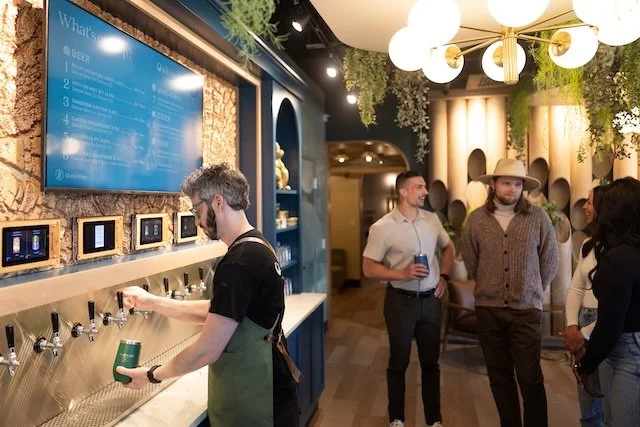
Jessica: Yeah, so we have 10 taps. Um, we use a self pour system, um, from a company named Ipor It, so it's basically RFID enabled, charged by the ounce. Um, this just added another, uh, interesting hospitality touch. Um, you know, guests find it really neat to be able to be their own bartender. You sample a lot of different things.
You don't need to commit to an entire po. And then from a business perspective, the margins are really good, right? So, uh. Um, we have 10 taps, five are rotating, um, all local craft beer from Colorado. [00:39:00] Um, we have a brewery relations manager that works with different local breweries and figures out what's the best thing that we can put on tap right now, depending on the season, we do have some requirements.
Um, you know, we need a broad range of beers. We can't have five. Sours on tap. As much as I would love that, 'cause I love sours myself, but you need a variety. You need something light, something hoppy, something dark. Um, and then on our other five taps, we have two wines Keg wines, which we were a little apprehensive about at first.
My husband is French. Um, and so he was, you know, very skeptical about keg wines, but we have a couple of really good producers here and, and the quality is, is quite good. Uh, we do a hard cider, um, again, local producer. We have a house beer, which is, uh, really delicious. A local brewery makes that for us. And it's called Spa Sidekick.
It's a cucumber lemon Goa. We played around with quite a few different recipes. At the beginning we tried, um, lavender. Which tastes very soapy. Uh, we tried eucalyptus, we [00:40:00] tried all sorts of different things, but ended up settling on cucumber, lemon gsa, so it has some salt in it. Um, it's really refreshing.
It tastes like fresh cucumber juice, and that's our top selling beer. And again, that they're house beer, so we have that on all the time. Um, so all, everything on tap is alcohol. And then we also have a non-alcoholic menu, um, that we just serve in cans.
Roger Beaudoin: Okay. those, um, let's see. Well, you have kombucha. Is kombucha in the can?
Jessica: Correct, yes. So we do a kombucha, we have an a beer and we have two flavors of each. Um, so kombucha a beer, we have an electrolyte infusion, and then we have a CBD infusion as well. Um, so about eight different beverages, uh, that's only available in camps.
Roger Beaudoin: Are you seeing, I mean, there's so much talk on the street about, you know, the alcohol market being down, beer, wine, alcohol, everything is down. People are trying to make healthier choices. Some people drink only on weekends like myself. Um, and non-alcoholic is like representing 40% of diners going out, are [00:41:00] ordering non-alcoholic products.
Are you finding a huge spike in your sales of that, or is it a pretty much balance?
Jessica: It's really been balanced from the beginning. We've always had a non-alcoholic menu. Um, you know, just because we are a beer spa, you don't have to drink alcohol. That said, we're really a place where we promote drinking in moderation. It's not a party environment. I think the binge drinking is definitely.
A decrease with the younger generation. People aren't going out, you know, in college anymore having, uh, 10 plus drinks in one night, right? I think people are just trying to make healthier lifestyle decisions and, and Ola Beer Spa really supports that. Our guests on average drink. Two drinks during their session.
Um, so it's not a place where they're coming and, you know, pounding down five beers. Um, so we have not seen that much of a fluctuation between, you know, alcohol sales decreasing and non-alcoholic increasing. Um, because again, it's, it's more of that moderation, I think is what a lot of people are going for, rather than cutting alcohol [00:42:00] out completely.
Roger Beaudoin: You know, you're in a fortunate position. If I look back on, you know. 20 plus years in the business. I created this huge place that had 55% alcohol sales. We had a mug club with 1200 members. We had live rock bands on weekends, we had bar fights, we had security team. Like you've, I've seen it all, I'll tell you, and you don't have to deal with any of that.
It sounds like this really tame experience where people come in and, you know, everyone is respectful and your service stuff is amazing and it's like you've, you've got multiple profit centers, you're doing a lot of things right, and I'm impressed with. What we're talking about. That's, that's terrific. Um, you mentioned ai, and that was mostly about SEO optimization, but are you using AI in any other part of your business?
Because that is such a hot topic right now, and restaurants and hospitality, businesses know they've gotta dive in. There's an intimidation factor there. They don't know where to begin. It's like there's so much out there and it's changing every minute. Are you finding it useful in any way, shape, or form?
Jessica: Yeah, I think the biggest place we use AI is [00:43:00] with copilot, is something that we have paid for the pro version, for a management team to have. Um, we found it really helpful when they are writing emails, when they're analyzing spreadsheets. Um, just using it as more of a. An administrative assistant for the back office functions.
Um, you know, a a lot of the managers come from restaurants and bars and tech, and the computer work was always something that was on the side. We have a little bit more of an emphasis on that. Um, so we've been teaching them ways how they can use copilot and integrated into their Microsoft, uh, workflows, um, in order to make their day more efficient.
Um, you know, there's also a lot of things that we're looking at. Uh, hopefully implementing soon. We're, we're still assessing, but things like answering the phone, right? So we get a lot of phone calls. Um, we always tell our beer therapists that you need to focus on the guests that are in front of you first.
The phones come second. So that does result in a lot of phone calls not being answered. Um, the point of sale appointment management [00:44:00] system that we have, uh, does have an AI. Phone answering capability. Um, so we are in the process of, of going through some demos and trying to customize that for our needs.
Um, you know, we definitely, we're a hospitality business, so we don't wanna lose that personal touch. And, uh, we all know how frustrating it is when you call in and you just get stuck with a robot and you're like, agent, agent, agent, please. Like, I just wanna talk to human. So we don't want to create that.
Experience. Um, we also have a lot of guidelines about the vocabulary even that our team uses, right? So we call them guests, not customers. Um, we always say, my pleasure. We will never say, no worries or no problem. There wasn't a, a worry or problem to begin with. We have this what's called our five star service Standards playbook.
Um, and so we wanna make sure that if we do use something like AI to answer. Phones that they are following, uh, the vocabulary that we've set forth for the company. Um, so the guests don't have a completely different experience when they're on [00:45:00] the phone than they do in person.
Roger Beaudoin: fantastic. Any other tech stack? You mentioned being busy with the spa reservation software, anything like that?
Jessica: Yeah, so we recently implemented a new appointment management software that is kind of an all-in-one unified system that has our phone system, um, client management appointment setting, POS, uh, gift card management. E-commerce and inventory all in one. We were really like, uh, bootstrapped and, and putting together a lot of different things before we were using Square, right?
Which is what a lot of restaurants start off with. Very user friendly, but not a lot of capabilities when it comes to customization. Uh, we had RingCentral and Grasshopper for our phones. We, you know, we had all these. Things that then we would, uh, try to make work together. But, you know, we just really wanted a unified system, especially as we're going to franchise.
Uh, it was important that we had a strong tech stack to be able [00:46:00] to, uh, give to our franchisees. So, uh, we recently made the switch, uh, to a company called eNote, but they're very spa specific. Um, but again, since our business model is so different, we've. Had a, not some struggles, but some challenges, um, you know, making sure that we can customize the software to exactly our needs.
Roger Beaudoin: Got it all dialed in. Let's talk about the franchise model for a moment. Because again, I think our audience that want to grow their business, sometimes we consider, wow, is my concept strong enough to franchise? And that's an overwhelming step that you went through. Give us the 30,000 foot view when you decided to franchise.
You obviously needed your locations dialed in. Some systems, all you know. Solidified. What was the next step for you? How did you get everything ready to franchise? And that took quite some time, didn't it?
Jessica: It did. So really the first step was deciding how we wanted to. Scale. So when we first came up with this concept, we knew that we didn't wanna be a [00:47:00] mom and pop business owner. We wanted to build a national brand. So really quickly when we saw the success of our first location, we had to figure out, okay, do we continue opening corporate company owned stores?
Um, or do we go the franchise? Path For us, it was a tough decision, but ultimately what swayed us the franchise route is that opening an Oakwell beer spa is very capital intensive, right? So I said it's on average like $2 million to get one of these open. Um, and without outside investors, there's only so much that the banks are going to lend, you know, my husband and I to be able to continue doing this.
So at some point we would be over leveraged in.
Roger Beaudoin: Yeah.
Jessica: just wouldn't be possible to continue opening them without bringing some outside financial partners in. Um, the second part is this is a really new concept. There is nothing that out there that exists like this. And so we have the advantage of being first to market.
And in order to maintain that position, we need to scale quickly And again with the build outs as extensive as they are, there's only so many construction projects that I am able to [00:48:00] manage at one time. So by leveraging the. Expertise of other people. We can replicate this in multiple cities all at the same time, um, and can scale more quickly to make sure that someone with deeper pockets, you know, can't just go in and open 50 Bob's beer spas and all of a sudden they're the leaders of the market, even though we've been doing this for five years.
Um, so really the, the capital in initial investment, um, and being able to scale quickly were what swayed us in, in that direction. Then the other big thing is, you know, we're really passionate about, um, building systems, building processes, and then teaching others how to execute them, ensuring quality control.
Um, you know, we're good operators, but at the end of the day, I'm not gonna say that I'm passionate about, you know, running the spa day in and day out ourselves. Which at the end of the day, that's what you're on the hook for. With these company owned locations, like something could happen where like you have to be the one that steps back in and runs the store.
Um, we think our skill suit is much better suited for teaching [00:49:00] others how to run the store, coaching, um, providing the product development, the strategy. Um, and so that's just the way better suited for being a franchisor versus being the operator, um, of the individual stores. So. We decided to go the franchising route.
Um, to your point, it took about two years of putting all of the framework in place in addition to make sure making sure our two stores were running smoothly without us needing to be there. Um, we also had to put in operations manual together. So we had all of these, uh, SOPs and training documents, um, for how to run our stores.
But you need to bundle those all together in a one manual, 100 plus page manual of from, you know, open to close. Here's how you run a spa.
Roger Beaudoin: Nice.
Jessica: Um, in addition to that, we had to do the legal work, which takes some time. So there's something called a franchise disclosure document. Um, and that lays out everything from the cost estimates.
Um, you know, I know how much it cost to build one of these in Denver, but I also had to figure out how much would this cost in [00:50:00] Kansas City, how much would it cost in California? Um, so taking time to make sure that we put some solid numbers around that. Um, we also have to put together a training plan for the franchisees.
So. There's one thing to train your managers and your beer therapists and your line level employees, but then training a franchisee on how to both run the store, but then also how the royalty payments work, how the brand fund works. Um, so we wanted to make sure that we had everything in place. So when we started selling franchises, um, we were ready to hit the ground running.
We already had all of the documentation and framework and support systems in place that we weren't trying to like. Throw something together after someone's entrusted us with their, uh, initial franchise fee. We wanna make sure that we know what we're doing and that we're not just scrambling afterwards.
Roger Beaudoin: Wow. And there's a huge trust factor involved there too, from both sides, but Wow, that's amazing. I love everything I heard you've offered so many nuggets of information all about running a business, not a hospitality operation, and you worked on [00:51:00] your business in the beginning so that you didn't have to work in it, and it sounds like you continue to work on it and you've got that 30,000 foot view and you've relied on a very robust leadership team and you're doing a lot of things right.
It's been a pleasure talking to you. Thanks so much for being on our show, Jessica.
Jessica: Thanks so much, Roger. This has been fun.
Roger Beaudoin: Super fun. was the restaurant Rock Stars podcast. Thank you so much for listening. Our audience, we appreciate you. Thanks to our sponsors this week. Can't wait to see you in the next episode. Stay well, stay tuned and I will see you then. And that is a wrap.
Jessica: Okay. Nice.
Roger Beaudoin: so much. I'm just.
Jessica: Yeah, that was great.

An all-in-one, cloud-based POS and restaurant management system designed exclusively for restaurants. TouchBistro brings front of house, back of house, and guest engagement into one easy-to-use platform - it’s all connected. TouchBistro is Built for restaurants & built to perform.
For operators listening in the U.S. or Canada, TouchBistro is helping restaurants get started for less with savings on upfront costs for a limited time. Terms and conditions apply.