Restaurant General Manager Secrets: How Great GMs Build Profitable Restaurants
What separates an average restaurant manager from a truly exceptional general manager?
It's not luck.
It's leadership.
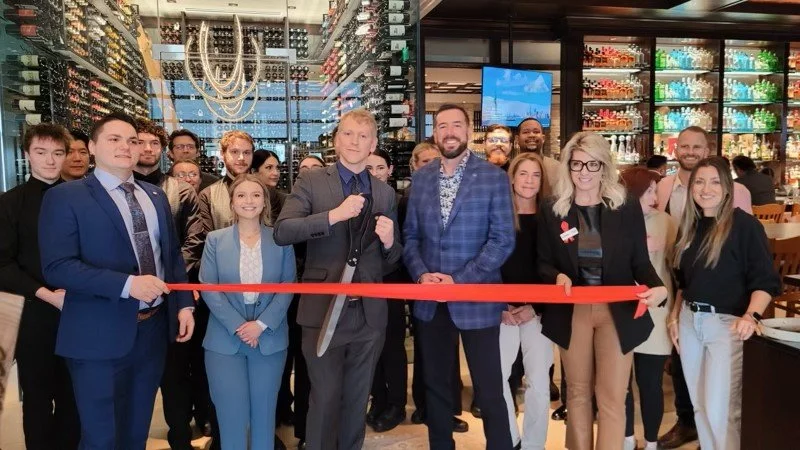
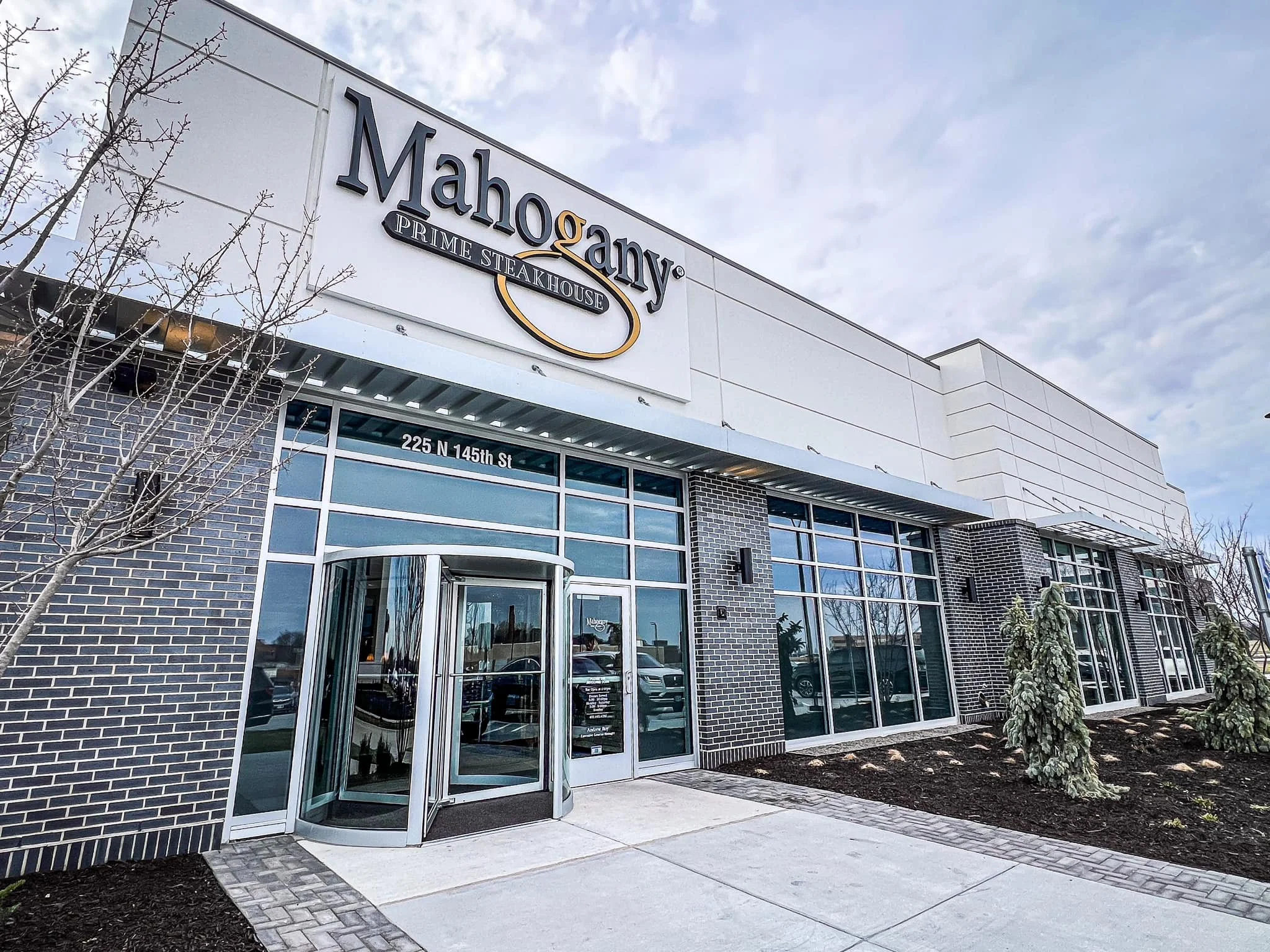
In this episode of Restaurant Rockstars, I sit down with Andrew Roy, General Manager of Mahogany Prime Steakhouse, part of the 85-unit Hal Smith Restaurant Group. Andrew shares the leadership systems, financial disciplines, and operational habits that help his restaurant consistently deliver exceptional guest experiences while protecting profitability.
Whether you're an independent restaurant owner, multi-unit operator, or an aspiring general manager, you'll walk away with practical ideas you can apply immediately.
In this episode, you'll discover:
How to hire and onboard stronger restaurant employees
Setting clear expectations from day one
Holding employees accountable without creating resentment
Why calm leadership creates stronger teams
Recognition programs that motivate staff
Running productive daily pre-shift meetings
Coaching servers to increase sales naturally
Managing labor costs without sacrificing service
Handling difficult guests and recovering bad experiences
Responding to online reviews the right way
Tracking restaurant KPIs that matter
Managing inventory and protecting prime costs
Using marketing to strengthen your restaurant brand
Why successful restaurant leaders constantly study their competition
Andrew also explains how his team balances hospitality with profitability, why every employee should understand expectations from the start, and how consistent systems create a culture where people succeed.
If you're looking to become a stronger restaurant leader…or develop stronger managers inside your restaurant…this episode provides a practical blueprint you can put to work immediately.
As always, thanks for joining me on Restaurant Rockstars. If you found this episode valuable, subscribe, leave a review, and share it with another restaurant operator who wants to build a more profitable business.
Key Takeaways
✔ Set expectations during onboarding—not after problems arise.
✔ Recognition is one of the most inexpensive ways to improve morale.
✔ Great pre-shift meetings build product knowledge and confidence.
✔ Calm leadership creates calm restaurants.
✔ Guest complaints are opportunities to strengthen loyalty.
✔ Weekly inventory and prime cost tracking protect profitability.
✔ Great restaurant managers build systems…not chaos.
-
Today's episode is a roadmap, a template, if you will, to being a great general manager or leader in a restaurant. I last hosted him maybe about two years ago. He was such a fantastic guest because he really has solutions to today's most pressing challenges. We talk all about labor, expectations, accountability, and disciplinary procedures.
We talk about handling challenging guests social media reviews KPIs and critical finances, taking inventory regularly, and prime costs, . We talk about winning marketing strategies. , Andrew Roy, is the general manager of Mahogany Prime Steakhouse. It is a part of a much larger restaurant group, 85 restaurants in the Hal Smith Restaurant Group, and Andrew is just a superstar GM.
So you're not gonna wanna miss this episode. Stay tuned.
Hey, thanks for joining us again on the Restaurant Rockstars podcast. We're glad you're here. And Andrew, welcome back to the show. You were a great guest. It's been a while, but you've got so much to offer our audience, so thanks for being here
Yeah, pleasure to come back.
Hey, let's start with something light and entertaining. Do you have any crazy restaurant stories that make you laugh, might make us laugh, or just sort of surprise us?
So this one actually happened a couple weeks ago. So we- we'll probably talk about this in the course of our conversation, but we had to reevaluate kind of our hours just because our nighttime, it just wasn't as busy after 9:00 PM. So we started closing instead of 10:00, at 9:00 except for Friday, Saturday.
So, you know, fairly recent change, but it's been a net positive, just we don't get a lot of traffic after 9:00, especially on like a Tuesday, you know? So we have a host at work, I'm not gonna say her name, but she's, she's such a sweetheart, and she was closing that evening, and I guess she never got the memo that it was only Monday through Thursday.
And so I'm closing the restaurant and we are busy, we are packed. It's Friday night, and she walks up to me and it's probably 9:02. She's like, "The doors are locked. I'm ready to go." And I'm like, "What?" And she's like, "No, the doors are locked. I'm ready to go. Can you check me out?" I was like, "We're open till 10:00.
Y- like, we have reservations still." And she's like... So she has to go. I, I mean, I crushed her soul too, because she had plans after that and
ask you that. Did she have somewhere to be
yeah.
it's like she was ready to rock and
Oh, yeah
roll and all of a sudden you kinda popped her balloon, "Hey, we got reservations, man. The show must go on"? Yeah
Yeah, no, she, I've never seen someone look so disappointed when I said w- we're open still.
Unbelievable. All right, that's great. Well, hopefully she got over it and it's, you know, business as usual. She's back at it
So you're still with Mahogany Prime
I am. Mahogany Prime Steakhouse in Omaha
Awesome. Omaha. Omaha Steaks, of course. . Awesome. All right. Let's talk about some current challenges that are going on. There's so many of our audience that are still struggling with labor. Are you having any challenges with that? And if so, how are you solving it?
I mean, that story kind of pointed to that at the beginning, you know? Everything these days is getting expensive. It just is. And, you know, as prices go up, margins compress, so you look for pennies anywhere you can. That was part of the reason, you know, it was something that I wasn't fully excited to do, but I understand the trade-off.
I do like that there are places in my town that are open past 9:00 PM and like... But it would just-- When, when you have like one or two guests in an hour, it, it just doesn't make sense financially to keep a full kitchen. So that, that has been something that's sad, but has been a huge net positive because we already see that like, yeah, we weren't, we weren't making anything in that last hour or so.
People standing around
yeah.
is so depressing and people that aren't making any money and it's like, it's just, it's a morale killer too. So I think it's the smartest thing that you can do to tighten up your hours to meet the business demands for sure
It is, yeah. You know, and I've worked in places that have done things like late night happy hours, and I don't know. I've, I've always wondered if it's worth it to bring in, like, a crowd that's looking for discounts late at night on drinks. Like, you know, it's like, it's a pro and a con. So I, I think that at least for now, that earlier time is working for us.
And so, you know, it's just, an hour here, an hour there, it adds up, and it adds up really quickly. It is, it is something we have been watching.
So Mahogany Prime is part of a much bigger restaurant group. In general, are you guys just by reputation fully staffed? Are you recruiting people? Are you looking to hire people? Like, what's, what's going on with that?
Yeah. Yeah, we're actually-- I mean, it's funny that you say this, this is a good time for this. Right now we are looking for support staff, you know, the server assistants, kind of like our bussers and hosts. It's pretty much like I've done this for eight years with them. Summer hits, half the kids that said they were gonna be here for forever end up deciding, you know, summer's here, I wanna pull back hours or probably gonna put in my notice.
So we're always looking for people like that. We're always looking for qualified servers. You know, there are a lot of people that are very enthusiastic, hard workers that are applying, but not a lot of people with wine credentials, and that is something we really look for.
Of course. Mm-hmm.
W-we do try to kind of promote from within and get people on the track of server assistant, and maybe you can become a back waiter, run food, maybe become a server from there.
But yeah, I mean, it's like anything else, any other industry. We just have endless interviews after interviews, and we're still looking, and we actually could use a kitchen guy right now, so we have someone come to interview tomorrow, and you know, someone, someone leaves, someone's brother has a need for a job.
It's the revolving door that are a lot of restaurants
Talk about expectations, like setting clear expectations and holding people accountable. Because in this business, you mentioned, I mean, there's a lot of transient people. They come in you know, certain people I call paycheck collectors. They're not necessarily in it to win it, and especially with you know, with a higher end place, you really look for quality people. How do you handle, you know, expectations and getting accountability? Is that a challenge at all or, or the caliber of people that you attract is just a little bit step above?
I think, I mean, you know, our system isn't perfect, and I think there's always going to be a question mark because when you have someone new, you just don't really know until they start. I do think that the way we do paperwork does help a lot. So I actually, I am always the one who does the orientation for the front of house employees.
It doesn't matter if it's a host, a server, a bartender. I sit down with them, takes about an hour and a half, two hours, and kind of go over the handbook and make sure we have all the paperwork, the I-9s and all the,
Right.
boring stuff that our internal auditor
All the details.
We have. Yes. And, you know, It's probably 12 to 15 things that I hit every time, and it's things like, you know, if you come in and you get the discount on employee food, we do expect you to tip on the pre-discounted amount.
When we're doing testing, if you don't get 90%, you don't continue with testing. And it's, you know, it's those phrases that I'm like, "I wanna make sure you understand. Are you on board? Great. Let's go to the next one." And it's setting that early. And, you know, even with that, I would say 85% finish training. So there are still people that come back for the next shift, claim they don't know what they were supposed to study, forget to come in, like...
You know, like, even with that expectation, it's just you, you kind of have to let people show you who they are as soon as possible and believe them after that.
You're setting the ground rules early, and then you're
Hmm.
holding people to those standards. And I think that's a smart thing to do. You know, it's like you set the stage immediately for what you expect, and then as soon as someone deviates, they might do a great job for a couple of weeks, and all of a sudden if their performance slides, it's like you gotta call them on it, but you also have to remain fair and impartial. You know, you've got some superstar people, I'm sure, but there can't be favoritism, and I'm sure that's part of your style. How would you describe your leadership style, Andrew, in a couple of words?
I think a younger me would be surprised to hear me say this, but I would say calm. And so I think,
, I was a very anxious and very, like, stressed young kid, and I always was throughout most of my life, just about grades and doing well. And, you know, the older I've gotten, the more I've realized that, you know, the whole stoic approach of just, like, control what you can and let the other things take care of themselves, it has helped me a lot.
So part of this too is I spent about 10 years working very, very heavy, busy bars and a lot of bar well shifts, so there's no amount of chaos that can come my way that I won't be like, "Okay, I've seen worse than this." You know? I, I've seen Friday night seven o'clock at the Coyote Cantina in Santa Fe. Like, you got nothing on me.
So I think, you know, you need someone who has kind of a emotional, calm, steadied center in the midst of the storm when the storm's happening, 'cause that way you kind of set the tone for the room. And other than that, you know, I would say that I'm very good at writing things down, not forgetting things, setting up systems.
Terrible at delegation, but I don't know any person who's ever said they're great at it. Just, you know, there's always that thought in the back of your head like, "I could do this f-better, faster," and that's how you get yourself drowned in all these little tasks that you don't need necessarily to do. Yeah.
right
Yeah. And I try to, I try to meet people where they are, 'cause I also remember when I was a kid, when I was a, you know, dishwasher, when I was a, you know, barback. Like, I understand. You got high school, you got all these things. You know, like, I try to understand and think back to when I was that way, and yeah.
Maybe I'm a little bit too lenient sometimes, but better that way than the other way probably
So that begs the question, because I was a big believer in a word empowerment versus delegation,
Mm-hmm.
Because I've always believed that anyone can tell somebody what to do or even how to do it, and people are challenged by that, always telling people what to do. But the difference is recognizing talent and maybe an aspiration in someone that really enjoys the business and giving them an additional responsibility if they accept it.
And then if they accomplish that challenge, then you give them some sort of an incentive for doing so. It could lead to a promotion. It could be your next leader in the dining room or back bar, wherever it is. But mostly it's like you give them something to do that takes a little off your plate, and then you give them an incentive or some sort of recognition for doing it, and then they feel like they're accomplished.
It gives them something interesting besides their regular gig. And yeah, it's, it's worked really well for me. So
Mm-hmm.
thats my definition and that's, that's kind of my difference there. Let's talk about recognition and rewarding people. Like when someone just does a stellar job, they're a superstar. Is there anything in place at Mahogany Prime or even the larger organization on how people are recognized?
Oh, sure, yeah. So from like the smallest to the biggest, we have every day in our pre-shift meeting, we end it off with, "Hey, is anyone doing a great job? Any shout-outs?" And so that kind of lets everyone on the team, you know, it's like, "Oh, yeah, he's doing great. John's doing great." D- d- back and forth, and it's a little bit of patting each other's back, but, you know, you need that.
You need encouragement. We we have these little cards, we call them Golden Gs, and they're good for $20 worth of food. And so if a manager notices someone does something really great or server assistant went above and beyond to get that table set quickly, you know, et cetera, et cetera, those are just...
Yeah, it's good for chicken strips and fries. Like, heck yeah. You can actually put them together and get like three or four, get a steak, like, so. And then we have like, you know, exactly what you'd expect, employee of the quarter, employee of the year and those come with some financial bonuses too, so.
So it sounds like that creates sort of a healthy, I'm not sure competition is the word, but it's like people are really in it to win it, like I said earlier, and they just wanna rise to challenges, and they probably love winning Golden G's. Like, who wouldn't want those
Oh yeah
kinda of perks, you know? That sounds, that's interesting.
I'm glad you
mentioned it.
We did a, we did a contest that was about I'd say about three or four weeks ago and we call it Project French Fry. And so it was the brainchild of one of our servers and whoever on the server assistant team got the most people that voted for them got one of those cards. And all, all the guys on the server assistant team, they all love just ordering the french fries.
So it was like Project French Fry, do the best work and you get to win the french fries for the day. So they really liked that and yeah, it was a, it was a really cool time
I'm also glad you mentioned daily pre-shift. Give us a basic routine of a typical pre-shift,
Listen closely in a professional kitchen and you'll hear it, the sound of bacon doing its job. That's why operators are choosing Smithfield Select Bacon. This premium, ready-to-cook bacon will elevate your menu and your bottom line. Smithfield saves you time, labor, and back-of-house costs, all while satisfying your guests.
We're talking thick-cut, crispy, and delicious bacon that looks and tastes like it was freshly cooked from raw, but you can just heat and serve. Your guests don't usually compliment the lettuce, but they always notice the bacon. Visit smithfieldselect.com for samples to order.
Oh, sure. So we actually write different weekly notes for pre-shift. Every Monday we publish them and we use the same... And, you know, every day because features do change, there is a little bit of variability at the beginning, but then we all cover the same topic. So this week is a good example. We're covering a lot of things about wine structure.
So what is body? What is alcohol? What is acidity? You know, and, you know, I'm calling on people throughout and asking like, "Hey, you know, what is our by the glass Sauvignon Blanc? What is our by the glass Zinfandel?" And it's keeping them sharp, ready to explain things. And, you know, we're, we're always-- Like, I don't mind if someone fails as long as they're trying.
And I always like to remind them, pre-shift is the ideal place to misspeak, because you'd much rather misspeak in front of everyone else and correct it there than for the guest. You know, that guest that asks about that weird grape in that Italian bottle, like I'm sure from last week's pre-shift, people are happy we talked about it, you know?
So 15 minutes, beginning of every shift, and we break at 5:00 'cause we start serving dinner
Awesome. And also sounds like some strategy session as well. That's great.
Yeah
So upselling and suggestive selling, that sort of thing, is that a routine part of training? Is that expected versus order taking in your operation?
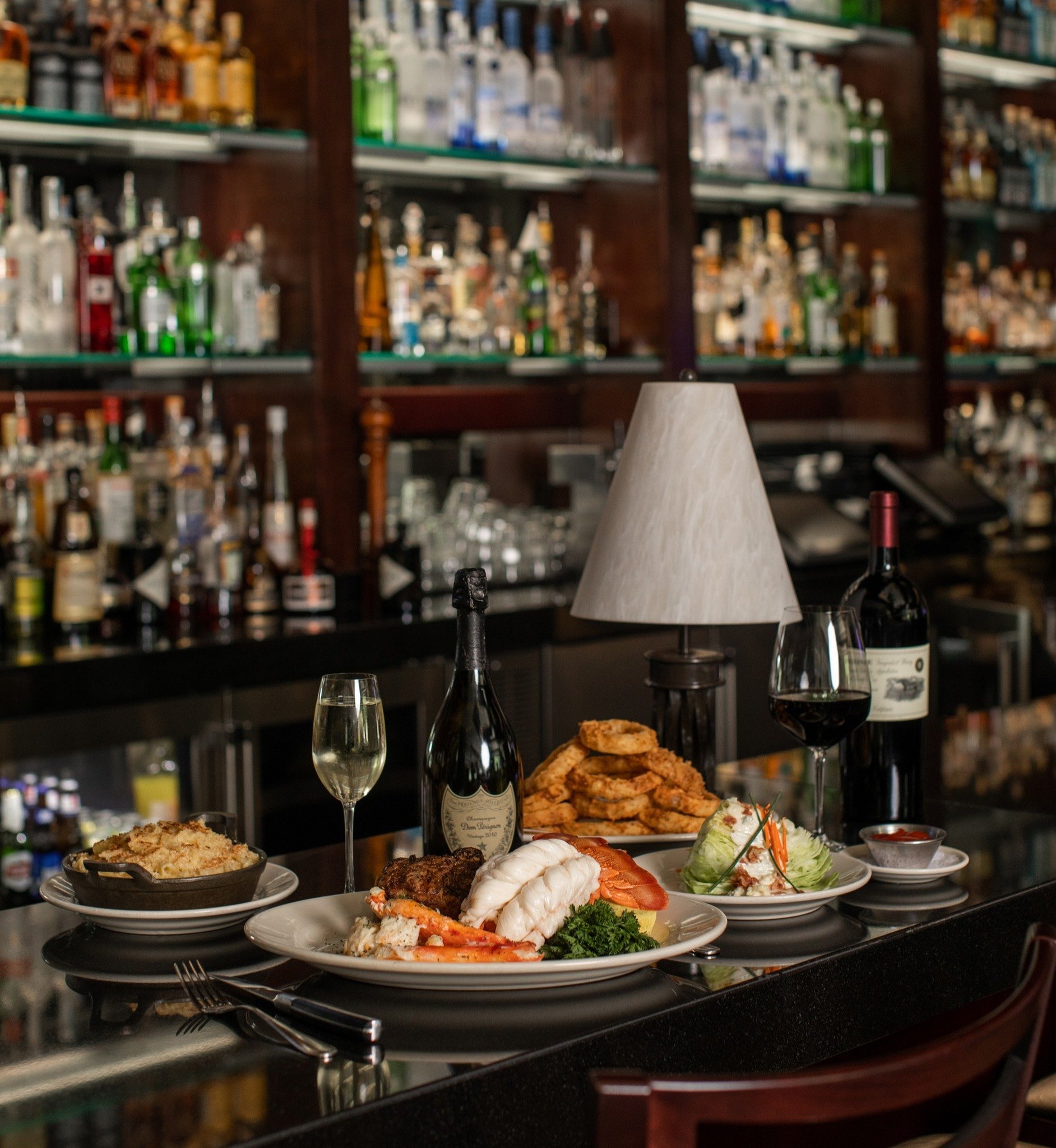
Oh, yeah. Oh, yeah. And I mean, we, we have certain things that are part of, you know, you have to hit these items. So, like, we have a feature where it's a, you know, it's a half pound of of Alaskan king crab legs after it's deshelled, a 10-ounce lobster, and steak of your choice, although we do recommend, like, a porterhouse.
And, knowing that spiel by heart, you can even tell I'll probably put that on next week's pre-shift. I haven't said it in a while.
Cool
like, because every person should at least hear about that. It's a good dish to split. It, like, makes a lot of sense, and it's a good sell for them, you know? So, like, that is very much part of the structure.
But, you know, you have a lot of freedom when it comes to, like, alcohol, bottles of wine. Like, you know, you could very much show up if you didn't care and just take it by the glass orders and just, like, kind of wander through the shift and do okay. But if you have that side hustle of, like, maybe I'll get my level one somm, maybe I'll learn about this expensive bottle and have a couple options.
Like, there is also room for salesmanship. So we have kind of, like, the baseline, make sure everyone's at least hitting the boxes, make sure everyone has the opportunity to hear about what we offer, and has the opportunity to buy more if they are interested. But also, like, the sky's the limit.
You know, and it's all about reading tables, of course, and making suggestions you know the guests will enjoy and appreciate that only enhances the experience and they don't feel like their being sold they're just educated, informed, and entertained along the way. So i'm glad to hear you say
Yeah. And
that too.
We have a rule which is really important for us that you know, if you're telling anyone about something, you need to somehow in that explain the price. And, you know, we have methods for that. Sandwich it in the middle so it's not what you land on. But that's kind of our standard. If anyone's buying something in our restaurant, they need to know the price.
Thats a
great addition to that. I totally agree. Let's talk about discipline. There are minor infractions such as, oh, someone who's routinely late for a shift. There are major infractions like
bullying
or harassment or drug or alcohol use on the property, all that kind of stuff.
That's a system. Do you run into much trouble with that? Or how do you handle like write-ups and discipline and all that kind of stuff?
So there are kind of two different tracks and, you know, I'll, I'll start by addressing the second one you brought up. The, like, bullying, harassment alcohol, like those sort of things.
Mm-hmm.
You know, we are an at-will state and, like, there are certain things that we term the terminable offenses, and it's like, yes, if you no-call, no-show, we are going to let you go.
We just are. You know, like, you should expect that in the industry. If you show up to work and you're drunk, on drugs, dealing drugs, like we have a list and it's... I think it's, like, 15, 16 things. And
Zero Tolerance stuff
I tell everyone,
right?
yeah, everyone I hire, I'm like, "None of these are gonna shock you. If you steal from someone, we're gonna let you go if we find out."
You know, like, none of these are like, "Whoa, I had no idea." Besides those, you know, I think tardiness is a great example. So if I had someone who's consistently tardy, after I've talked to them, it still happens, we have something that's called a written communication form. I've heard of them in other restaurants.
A lot of people call them, like, process improvement form or communication, and, you know, like, they all have different acronyms depending on where you're working. But essentially, it's a paper that says, "You've done this. This is what you need to do." And we sit down the employee and two managers. We usually try to do it, like, male, female, so there's no like, you know, they called me into a room and it was really intimidating.
It's like, no, we're just at a table. We're talking about it. We need to make sure you know that this can't happen again. And then if, if it keeps happening, then we have that on file and it's like, you just can't get here on time. We're gonna have to deal with this, you know? And usually that's where it ends, number one.
Because usually if you sit down with a manager and it's like, oh, this has become serious enough to talk about, that's usually the end of the line. But, you know, we do have people that keep pushing the line, and after three, our standard is we have the option of termination. So never pleasant, but necessary sometimes.
I'm guessing this is all upfront in your onboarding and you're making it clear not only the expectations, but the consequences of certain actions and what you expect, right?
Yep. I, I onboarded someone two days ago, and that's why it's all fresh in my mind. It's like it is in the handbook. It's just like, "This is exactly what it is. Do you understand? Sign the paper. Great. Next."
Ongoing. So it may happen infrequently or it may happen every now and again, but challenging guests are part of our business. You know, those people that push things to the limit or they're chronic complainers or they're looking for something for free or something really did go wrong that was the restaurant's fault. Do you train your team to be the first line of, say, defense in that regard? Or do you handle most of those types of complaints when they happen?
So I don't personally, but our management team does. And since I'm on that team,
Yep.
I handle that portion. So for front of house, if there's ever someone who complains, like service assistant host, server, bartender, our standard is, "Oh, like, that's horrible. Let me grab a manager just to make sure they hear it."
And so they never have to handle those complaints. It is all on the manager level. And, you know, it is one of those things where like, yes, you do have, like, some people are unreasonable. You know, you're like, it, it is hard to deal with. But kind of the mindset I try to go with is, you know, I, I don't think on average that most people are crazy or, you know, evil or anything like that.
The restaurants winning in 2026 aren't just getting new customers, they're turning them into regulars automatically. That's where owner.com changes the game. Owner.com runs automated marketing campaigns for your restaurant that send personalized offers, order reminders, promotions, and new menu announcements automatically to your guests.
So your marketing works for you every single day. And here's the real power move. Owner.com gives your restaurant your own branded app. When customers have your restaurant app on their phones, you stay top of mind. You can instantly reach guests with push notifications at the exact times they're most likely to order.
For more repeat business, more direct online orders, and stronger customer loyalty without lifting a finger, visit owner.com/rockstars.
You know, what I don't like is not the people that complain, but the people that don't, because I would much rather fix it. And even if a few people get a free ride or a free appetizer, a free dessert, all that, fine. You know, like, if you are, you know, putting up a fuss and there was nothing that was wrong, you being you is gonna be your own kind of retribution.
But when I hear someone is upset, someone says something wrong, someone is angry, what I usually hear is like, "I wasn't-- Like, I didn't feel like I was important enough to the operation. Like, no one saw me. They didn't greet me fast enough, or my food didn't come out fast enough. Like, something... Like, I should have had more attention paid to me."
And so I always try to go to them first. I always try to figure out what happened, and I always try to figure out, like, okay, what can we do? 'Cause I wanna make this right, and I always try to go above and beyond. And, you know, it, it doesn't happen that often. I'm sure there are other restaurants that happens more often.
There's some nights that it happens more often. Some nights the kitchen's backed up, and we have to talk to more angry people, and we definitely remember it more 'cause it's easier to remember negative interactions than positive ones.
Sure
you know, I very rarely will find anyone who's just outrageous.
It's usually there's a kernel of truth, and if you just go, like, a little bit and do your best to take care of them, it usually ends up pretty well
Let's shift gears a little bit. Do you get involved with finances and KPIs and those types of things, inventory, cost controls? Like what's your role there?
So I, I actually am in charge of the P&L for the store, so the whole thing top to bottom. I, I help with inventory, although I do have like a bar manager who takes care of the inventory. I do have like a kitchen manager who takes care of the inventory. But I'd say about once every six weeks, eight weeks, I will do one or the other of the inventories just to make sure I have...
I'm fresh, I'm seeing it, making sure, you know, everything is working the way it should. There's nothing not being counted. And yeah, so weekly I kind of do the numbers, reconcile it, and we have a four-week P&L period. Yeah
So your tracking food, beverage, and labor costs, AKA prime costs, that kind of thing, and staying on top of it. Is it becoming harder to, say, maintain margins with rising costs and all that? Are you regularly raising prices as well, or how are you handling that?
We, we have had to raise prices recently. Nothing crazy, just a couple bucks. Although I say that and it's like a couple bucks is a couple bucks, so
Yeah,
yeah. Our goal is to not raise prices obviously, because, you know, there's only so much that people wanna pay. But I, everyone-- I think everyone understands.
Like, we're all seeing it when we go to the grocery stores. We're all seeing it when we eat out. It's like,
Mm-hmm
even when you buy like a dozen eggs, you're like, "Really?" Like, "Okay, yeah." So my hundred dollar like breakfast run to the store later it's, it's a delicate dance and, you know, would I go back six years versus now?
Definitely not. I think it's not as bad as times of COVID. Like we've definitely seen more chaos in the last decade than right now, but doesn't mean that it's pleasant. It doesn't mean we won't get through it. We've gotten through all of the rest of it. But yeah, we do notice that that bottom line. So we are watching things like when we close
So speaking of the bottom line you must have a chef in each location for all your restaurants in the group. Does that person routinely cost out the menu to know what it costs ingredients to serve a dish to a guest?
Well, so we just so you know how we operate, we have an executive chef that kind of oversees all the concepts and creates the recipes. And then we have an, like an executive culinary manager in-house, and he's the person or she's the person who runs the kitchen. So that's kind of like their hat.
So they don't actually create the recipes, but they do implement all of them. And on the store level, we use Restaurant365. And so it's continuously updating what we have price-wise based on what the invoices say. And so we have the different inventory items all cost... Like the proportions for the different recipes all broken out.
And so it actually will update that real-time cost for you. So you can see it like week by week as we did different like prices on spinach, what is the creamy spinach price? So it, it is something that we're capable of doing and we do a little more hands-on for the bar and, you know, it's like cocktail recipes are a little less exact, but we, we definitely have the theoretical understanding, but thanks to technology we don't have to by pencil every day, you know?
Let's talk about guest expectations. Have they, those changed much since COVID? What have you seen? Do they have higher standards? Are they really pleased with the overall experience because you're consistent? Like, what, what do
Mm-hmm.
youre guests expect when they walk into Mahogany Prime?
That's an interesting one, especially framed from the point of view of COVID. You know, I think we all kind of went on a crazy ride over the last six years,
No doubt
and the, yeah, the, there were definitely ups and downs. I think
Mm-hmm.
starting in probably 2023, 2024, when things at least began to feel a little normalized in the restaurant world, we've gotten a lot of people that are just very happy.
The, the good thing about having a higher price point and having a larger staff is when there are shortages, you go from 90 to 80 people versus like 30 to 20, which could be like disastrous if you're open all day. You know? So the different hits that different restaurants have had to take when it comes to service standards, timing on food, quality, we've suffered less, and I think we've looked better in comparison to some of like the mid and lower chain places where it's been some chaos, and like understandable chaos 'cause they're facing a lot of the problems we are, just when you have a smaller labor pool, it just hits harder.
And so I've found since COVID, especially since like the 2023, 2024, that people have been very grateful, and they compare us to a lot of places that have suffered a lot. And so we're lucky by comparison, but, you know, everyone's tired after that. You know, we lost, we lost a lot of great servers when the pandemic hit 'cause they lost childcare.
A lot of them didn't come back. There's like, we, we are all rebuilding, and we're doing the best we can. But for my location in general, things have been okay, and like my fingers are crossed that that stays true.
Definitely. Do you get a chance to shop the competition at all and see what they're up to?
Oh yeah, yeah, for sure. I love eating out.
, But know what they're up to. That's wh- that was always my motto. It's like, we're gonna play our best game, but I always wanna know what everyone else is doing, what they're doing right. I used to actually send members of my staff as sort of a reward, "Hey, go out to dinner with a friend or your partner or your spouse, whatever, but I want you to report back what they're doing well, what they're doing wrong, you know, bring us a menu," whatever.
And it's like they would always do a really great job with that. But it was, it was a great way of sorta secret shopping, you know, without them knowing we were secret shopping them.
Right? Yeah, and I mean, the cool thing about Omaha too, which has really surprised me, I'm glad I, I moved up here, like there are so many different little restaurants doing so many cool things. Independent places. V Mertz downtown has some of the best inventive cuisine, and it's like, you know, they have steaks, but they're also very, very...
It, it's like ar- artistry. It, it's crazy, but it's delicious. And, you know,
it's a draw
love those guys. There's a great pizza house by us, Dante's. Like, there are people doing all sorts of cool things around us, so I'm always checking things out.
It's a great business to be in if we're passionate about food and beverage and hospitality, isn't it?
Let's talk about marketing. Like, do you have a strategy? Do you follow a marketing plan year to year? Does it change? Do you use influencers? Like, what works for you?
Mm-hmm. You know, so we've dabbled a little in influencers, and we've never gone hard in it. My, my like overall parent company, Hal Smith, they have a marketing department, so they kind of direct it, although we do send different things that we're interested in to them. So we have like a, you know, there's a big poster whenever you land at the Omaha Airport, if you pick up your luggage, you're gonna see a sign about Mahogany, so just heads up.
And, you know, the, the general stuff that you expect. Someone who's watching the social medias, I do part of that, responding to some of the guest responses. You know, if you search Omaha Steak or Omaha Mahogany, you know, like on Google, you'll find that our name pops up there and it's the sponsored result because you don't want people going to the competition when they're looking for you.
Just making sure that we have some of the basics in line. So just making sure that we have some presence out there, we are getting some stories in magazines that, you know, people are hearing about us and we have some sort of news out there, yeah
How about online reviews? Is that something you handle yourself? Do you have somebody dedicated at the company level that does it? Like, how do you respond, and what's your best advice to other people, positive and negative reviews?
So we handle most of that in-house. The one that we don't is the Google reviews 'cause they have, the access to that account, which, you know, fair enough, one thing less to do. But all the management team do handle those. It's one of our, like, opening duties. It's just a check mark. So you just look and respond.
Like, I actually personally handle all the negative reviews 'cause I, I'm, I'm happy to do that, and that way my name is in the signature when I, when I talk to them. And, you know, I always... Like we were talking about before, you know, I always try to say, like "Hey, I see that we didn't maybe meet your standards when..."
Like, say it was, like, a two-star review with nothing on it. It's like, "Hey, I see that, you know, last week we didn't meet your standards. You know, I would love to find out more. Please tell me more." And then I just try to find out what happened. Like, was it slow? Like, was the steak just, they didn't like the way it was cooked, and they were embarrassed to say anything?
You know, like, there are a million little things that could have happened. And,
Mm-hmm
you know, there's that rule of twos that we usually follow. So if something went wrong, we try to overcorrect when we are trying to win them back. So, like, they came for dinner with their loved one, and they just felt like their steak was overcooked but didn't wanna say anything.
I'll usually send them enough for dinner for two, like, as a gift card. Like,
Nice
come back." And then I always tell them, like, "Let me know when you're coming in 'cause I wanna make sure that, you know, you have the service you need," and I, I just like to know that. And
be the maitre d' and totally just make the whole experience as best as it can be
Well, this is a business of relationships after all. Relationships with our team members, our guests, our vendors, and it's all about treating people with respect and dignity and, and hearing them, I think. And that's what I'm hearing from you. It's like you like to listen, you wanna learn, you wanna improve from, you know, when, when you've fallen short, and make it right for the guests.
And that's, hospitality right there, or one, one piece of hospitality.
Hospitality 101.
Andrew, fantastic. It's been great having you back on the show. I really enjoy talking to you, and you're definitely a credit to the industry and to management and leaders everywhere. You've given us some great nuggets of information, and lots of things we can apply in our restaurant. So thanks for joining me.
Awesome. Thanks, Roger. I'll come back anytime
That was the Restaurant Rockstars podcast. So glad you're with us. Can't wait to see you next time. Thanks to our sponsors this week. Stay well, stay tuned, and I will see you then.
Listen, what would it feel like to lower your operating costs, double your sales, lower staff turnover, create raving fans, and design a menu that literally prints money? Our online restaurant training system will teach you to rock your restaurant and transform your business. Head on over to restaurantrockstars.com.
It'll take you less than five minutes to get started. You've got this

Owner.com runs automated marketing campaigns for your restaurant that send personalized offers, order reminders, promotions, and new menu announcements automatically to your guests. So your marketing works for you every single day. And here’s the real power move: Owner.com gives your restaurant your own branded app.
Smithfield Culinary serves up perfect proteins for every dish and every daypart like Smithfield’s new ready to eat select bacon, Its premium, ready to cook bacon that will elevate your menu and your bottom line. Smithfield Select saves you time, labor and back of house costs all while satisfying your guests. When you partner with Smithfield, you serve what you love and your guests will love what you serve.