A New Idea for Kids Menus That Drives Revenue & Loyalty
Could your kids menu do more than keep children busy?
In this episode of the Restaurant Rockstars Podcast, I sit down with Mick Carr, CEO of Grub Lab to talk about a new kids menu idea and how interactive technology is changing the family dining experience.
For years, most restaurants have relied on the same coloring sheets and basic kids menus. But today’s families, and especially today’s tech-savvy kids, expect more. Mick shares how Grub Lab combines physical kids menus with branded digital experiences, games and augmented reality to create memorable experiences that engage children while helping restaurants build loyalty and increase family revenue.
Mick and I discuss how family-friendly restaurants can benefit when kids are entertained, parents stay longer and the dining experience becomes more enjoyable for everyone at the table.
In this episode you’ll learn:
• Why kids influence more family dining decisions than ever
• How interactive kids menu ideas for restaurants can create better guest experiences
• The connection between family engagement, loyalty and repeat business
• Why memorable experiences drive word-of-mouth marketing
• How Grub Lab is using augmented reality and major brand partnerships to reinvent the traditional kids menu
If you operate a family-friendly restaurant and want new ideas to create loyalty and stand out from the competition, this episode offers a fresh perspective on turning family dining into revenue.
Learn more about Grub Lab, discover how the next generation of kids menus is creating better restaurant experiences.
Connect with our Guest:
https://www.grublab.co/rockstars
https://www.linkedin.com/company/grub-lab/
-
Do you have a family-friendly restaurant? Do you believe that making your place the fun place will drive more family business? Do you think you could drive more traffic and higher sales if the kids all wanted to go to your place? Well, today's guest will blow you away. Mick Carr has taken the typical kids menu, you know, the coloring sheet and the list of food, off the charts.
Using augmented reality, he has created an interactive experience for kids that keeps them engaged and the parents happy and spending money in your restaurant. Stay tuned to find out how it works and how it can be your restaurant's big competitive advantage.
Hey, welcome back. This is Restaurant Rockstars podcast, and Mick welcome to the show. How are you today?
Great, mate. Thanks for having me
Really excited to talk to you. You got something really exciting for family-friendly restaurants. But before we begin, let's talk a little bit about family-friendly, because a lot of our audience are family casual places, lots of families, lots of kids. You know, what is important to attract more of these people, would you say?
Mate, I think it's, it's about the experience, right? You know, having a frictionless dining experience is what we talk about. You know, where if I go out with my sons, and that's where this, you know, our concept came from and I go out and have a good dinner with my wife and kids, and I'm not grabbing my youngest Slater by the scruff of the neck.
You know, I'm dragging him out of the out of the restaurant. We've had a great experience. You know, we'll go back to that place 'cause it's memorable, it's been easy, everyone's enjoyed it. That's, that's really what I think is, you know, when you think about a restaurant providing a good family experience, to me that is...
That's the ultimate test. You know, if you leave with that sort of feeling, that's been a great experience, that is, that's the goal
So if you can provide a great experience for the kids and the parents, then that's a win-win. And I'm hearing you say when you go take your family out, if, if they do that really, really well and take care of the kids and you guys, then you're more likely to return. That's awesome
Yeah, mate, I think there's, there's a study that 93% of all dining decisions are made or influenced by the kids. You know, that seems high, but you know, you think about that instance, you know, if, if we'll go where the, where the least resistance is, if, you know, Sally's had a great...
She, she'll eat the schnitzel or the, the nuggets or, you know, has a great experience, you'll go there. And even if the kids don't decide, the parents will decide to go there 'cause it's been a, you know, a better experience
You know, I tend to agree with you. I've always believed that the kids have a big influence in where the family dines out. They wanna go to the fun place. I had family-friendly restaurants for, well, 23 years. We had tons of
kids coming
and going, and it's like we really took care of them. But how has family dining, would you say, changed since we were kids, and what do today's parents really expect when they bring the kids out to eat?
Yeah, mate, it's, I mean, it's interesting, right? You go out and we've been doing this now for six years. You go out and have a look at restaurants, and the, the first thing we get challenged on is parents don't want their kids in front of tech. But you go to any restaurant in the world, I don't care if it's America, Australia, Europe, you'll see at a large percentage then parents just hand their kids in front of a, a tablet or, or a phone, and that's not a great experience, right?
So it's, you know, I think it's, the technology's not the enemy here. It's if you can provide a good experience, what we say is, you know, parents don't want their kids mindlessly consuming TikTok or YouTube or, or, or content. And that's what we're trying to solve is how do you provide a really good experience which connects the kids and the families to that restaurant, to the heart of that table of their dining experience, rather than, you know, you think about TikTok and YouTube, it actually disconnects from, you know, disconnects the kid from reality.
They're staring at this, this, this box, this digital screen, and they're disconnected from the actual real world experience of dining out as a family. So that's, we're trying to work out how we find that, that balance and, and provide that as a solution. That's really what we set about to solve is that, that challenge of tech's here to stay.
How do you enhance a family dining experience with that?
So let's put yourself in an owner or a general manager's shoes, the operator's shoes right now. What do you think the biggest friction points are when kids are part of that experience? Like, what are the biggest challenges when you're an operator?
Mate, I think, you know, we get, we get asked this a lot, and I think we've probably been to 400 restaurants. They're about in the last two and a half years in, in the US and Australia. To be honest, I think the biggest challenge for a restaurant is their mindset. So they're thinking about a kids menu, you know, kids meal, and it might be 3.99, 4.99, 5.99, you know, a meal.
What they're not thinking about is, you know, what we spoke about earlier, that kids drive family dining decisions. You know, a family of four will spend, you know, and depending on the restaurant, anywhere from, you know, $80. We had a restaurant tell us the other day that, "No, no, our, our family spend $200." So, you know, when you're thinking, you change your mindset to family dining as opposed to kids dining, it's a different mindset, and all of a sudden then, you know, you can actually put some energy into making a better experience.
And I think that's why restaurants just haven't done it, right? It's, it's, "Oh, it's just a kids meal. We'll give them some deep-fried nuggets and chips, and the same coloring in or, or kids menu they've had for the last few years, and we'll just tick the box." So I think that mind shift to, you know, family revenue as opposed to kids revenue is the biggest thing we see that restaurants, they're just not focused on it.
I don't think it's a challenge. That's certainly a challenge, but they're just not focused on, on that element of revenue
We're gonna get into your Grub Lab experiences and what you're doing that's really revolutionizing kids' dining. We're gonna get into all that. But before we do, what
Yeah
of different ages might be looking for in an experience? 'Cause you might have a five-year-old and you might have a 12-year-old.
Is there a big gap between those two, or can you keep, like, a good range of ages happy?
Mate, that's the biggest challenge. I think they-- Now we call it the four quadrant. You know, you got boys and girls and you got, you know, say three-year-old to six-year-old boys and girls, and then you've got seven-year-old to 13-year-old boys and girls. So each one of them segments, you know, is totally different.
Some like NBA, some like Gabby's Dollhouse, you know, some want Smurfs, some want really basic coloring in. Others want more complex gaming and, and more sort of adrenaline-driven gaming solutions for, you know, say a 13-year-old boy is much different to a, a four-year-old girl. So it is a challenge. That's, that's certainly one of the issues.
And, you know, we obviously try and build content and, and solutions and IP brands and stuff like that to solve them four quadrant challenges
If you keep the kids happy, do they actually, do the parents end up spending more money? Do they stay longer? What do you see there?
Yeah. I mean, it's back to that example of, you know, you're having an enjoyable experience, you know, you think about parents, right? Most times both parents work. They're doing 40, 50, 60 hours a week. They wanna have a good dining experience. If you go out and your kids are off their head, and they're jumping around the room, and they're noisy, and they, you know, they're off, literally off their heads, you'll leave.
You'll leave in 30 minutes. You'll get the food, you'll smash it down, you'll make 'em eat it, and you'll go. You'll get up and leave. And you, you might leave half your meal, you might leave half a drink. If it's a good experience, you know, then you've got the restaurant trying to move you on sort of an hour in.
And, and what that allows you to do is, you know, I'll have an extra beer, my wife will have an extra wine. The kids might have an extra soft drink, you know, a, a strawberry lemonade or, you know, an extra 7 Up. You know, that definitely translates into revenue, right? It's, and it's hard to track 'cause a lot of venues aren't focused on that and not looking at that.
But we certainly see, you know, feedback from our restaurants that a better experience, more enjoyable, they, they stay around, they're more relaxed. They might even order dessert that they wouldn't normally order. So it's certainly a... You know, that experience, and if it's enjoyable, they're more likely to stay and spend more
Say it's a great idea or really smart for the service team, the front of house, the servers, that sort of thing, to take care of the kids absolutely first. As soon as a table is seated, they get their order, they bring their food first, and get those kids like calmed down. Is that what you're seeing?
Mate, what we see is there was a big chain in the US, I won't mention them, but yeah, they were, they were trying to solve that 12 to 15 minute period from when the, the family sits down, the kids are hungry and they're agitated and they're, you know, they've been at school or they're off their head up to the time of the food.
'Cause once the food turns up, right, they'll, they'll sit there for the next 10, 15 minutes and eat and be, be calm. A lot of restaurants kind of solve that, that issue of that from first seated and that time between the meal turning up. What we see happens is the kids will jump on and play our product.
The server will give it to them, they'll engage them, give them the product. Once the meal turns up, they jump off, they eat their meal, and then once it's finished, they jump back on and have a second, a second you know, session with our product post-meal
You've done a lot of market research for GrubLab, obviously, and I think you mentioned you visited 400 restaurants, and I know you spent a lot of time in America.
Yeah
What have you seen In terms of table turns and that balance? Because I know when I had high-volume restaurants, it was all about, okay, get them in, get them out, give them a great experience, but try to avoid people staying a long time.
When you got lines out the door, and kids can sort of slow things down, but is there a balance there, and what do you think the balance is, Mick?
Well, it's a hard balance, obviously, as, as you know. If, if you're a restaurant that's got massive lines and, and, you know, wait lists and stuff like that, you wanna turn them over as quick as possible. I guess if you, if you don't have them lines and it... You know, think about a, a remote, you know, grassroots style restaurant where they're not lining up out the door, you wanna give as much out per check as you can.
So I think it's, it's, it's based on the restaurant and what they're looking to do. We saw it during COVID. You know, when they reduced the seating capacity, we launched two weeks prior to COVID, and then our whole, our whole pitch was, we want kids to stay an extra 15, 20 minutes longer, and families to spend more.
All of a sudden that was gone, right? In COVID it was how do we... You know, we got half, half the capacity, how do we turn them over as quick as possible? So our pitch, our pitch had to change overnight, and it was about then what we shifted to was how do we give a really good experience that then gets them back.
So it, it shifted our actual whole business model and our, our value prop to restaurants, and they're both still relevant. I think it depends on the restaurant. There's no... You know, as you know, mate, each restaurant is different, and even the same restaurant in a different town they've got a different demand.
And so I think, you know, having something that's flexible and allows a restaurant and the waitstaff to control their experience and, and help move them on or, or keep them seated and, and sell more product , that's what you need to provide, is, is that flexibility. And it's not a one-size-fit-all solution
All right. Let's talk about online reviews and what role the kids' experience and how that impacts the family in terms of reviews. Are you seeing any spike in positive reviews for a restaurant that does a great job with the kids? Is it, is there any difference between an ordinary experience and a review?
Like, where does that fit into the equation?
Listen closely in a professional kitchen and you'll hear it, the sound of bacon doing its job. That's why operators are choosing Smithfield Select Bacon. This premium, ready-to-cook bacon will elevate your menu and your bottom line. Smithfield saves you time, labor, and back-of-house costs, all while satisfying your guests.
We're talking thick-cut, crispy, and delicious bacon that looks and tastes like it was freshly cooked from raw, but you can just heat and serve. Your guests don't usually compliment the lettuce, but they always notice the bacon. Visit smithfieldselect.com for samples to order.
Yeah, I think I mean, for us it's a lot of it's about word of mouth. You know, when you, you've got families and, you know, you're sitting down picking the kids up from school, how do you generate something? , They're very rarely gonna recommend a restaurant 'cause it's kids eat free. It just doesn't happen, you know what I mean?
If you've got kids eat free on Tuesday trying to attract families.
Yeah
However, if you turn up and the kids have had a great experience, they've got a really cool NBA voucher, for instance, and, they've gone into a competition to play these games and you've had a great experience as a family, you'll tell, you know, your brothers, your sisters, your friends at school about that experience, and you're more likely to go back there.
So when you, you know, when you're organizing the kid's birthday, in a month's time, you're more likely to go back to that location and drag another three or four families with you for that birthday celebration. So it's certainly, I think experience-made drives word-of-mouth marketing.
And yeah, you know what it's like as far as reviews. A lot of the time they'll get on and, and only review what's bad, right? There's not a lot of... It, it's rare for, it's, I know it's a societal thing that, you know, you're more like, A great experience, you'll tell one person. You know, a shit experience, you'll tell 20.
So it's like the better experience you provide, you're gonna reduce the negative, the negative feedback or the negative reviews, which is, is obviously as important as a positive review
You know, here in America, like the chains have, well, somewhat done a disservice to the independent operator by offering free soda refills for kids, right? 'Cause that just jacks them up on sugar, and it makes it
Yeah
even harder to control them in some cases, depending on the age. You know? And it's like I never gave free refills in my restaurants.
It's like we offered great service and great value and a fun place to be. We did lots of interactive things with the kids, but we didn't do the free refill thing
Yeah
When you did all that research, did you see any of that, the free refill thing? And did you see kids like off the wall? And did you see what you've offered, like calm them down, what Grublab's all about?
And we will get into that in a moment.
Mate, yeah, we went, I went down the chain, we went to a chain with my three boys and we had some guests over from Australia, and the boys were trying to see how much Sprite they could drink, and they, I think they had five. They were off their heads.
Yeah.
if, well, you think about, you know, think about the dietary, it's, it's pure sugar.
You know what sugar does to kids, it hypes them up, jacks them up. No, the kids had a fun experience. Don't get me wrong. They were loving it. You know, Australia just doesn't have that free refill culture. But once again, I think it's back to mate, you know, it's a competency. Having the confidence, it sounds like you're a confident restaurant operator to say, "I'm not giving free refills.
I'm gonna back myself to get a better experience and a better dining experience." And, and you know what? If you've had a great experience, when the check comes and you pay for an extra three drinks, as a father or a mother, you don't care, right? If it's a great experience, I'm not thinking about the free refills, and even once you walk out the door, I'm thinking about the experience I had with my kids.
If the kids are off their head, you're gonna remember that. You're not even gonna remember the free drinks or the, what the check cost. You're gonna remember, "You know, I went to that place, my kids were noisy. We were getting looked at by other parents. You know, the other guests were staring at us. I felt embarrassed."
You know what I mean? It's that sort of... That's where I think it plays into that, is it's, it's sort of counterintuitive to jack kids up on sugar, you know, for a free refill because you're trying to add value. I think you can add value in, in different ways
Yeah, it's interesting. We trained our service staff to be entertainers to the kids, telling jokes. We
Mm.
servers that would juggle. It's like we wanted to catch their attention, captivate them, get them fed quick, and then the kids are happy
Yeah.
You know, that sort of thing.
Man, that sounds like a cool re-- that sounds like a cool restaurant. I would love to go to that.
Well, you know,
We always believe that the restaurant business is show business, it's entertainment, and we wanted the families to be entertained, the parents, the kids.
It's like we wanted everyone to think of
Yeah
it as an experience, not just selling them food and drink. And you're right. It's like the parents never complained about the checks. They just wanted to have a great time, and if we delivered on that experience, it's like they came back again and again. They
Yeah.
You know, we were like fan favorite
One thing I guess one thing I did see, mate, we were, we were in the US back in, I think it was like 2000. Me and my wife, we did a, a bus tour for a month across the country. The one thing I remembered about the States was, you know, obviously I was out of my depth as far as tipping. As a 20-year-old from Australia, I had no idea what to tip and all that sort of stuff and how that worked and the purpose of it.
But this trip with a family, and we were obviously looking at service, I, I, my gut feel is, and I'm sure this, you'd know this better than me, I'm assuming, it feels like the service level in the US has dropped. Like there's not that... I reckon out of the 300 restaurants we went to, it probably would've been a handful where the server provided a great experience and were engaging with the kids, you know, actually entertaining us as part of the service.
It was-- And it might be a, it might be because they're not seeing cash tips. It's going straight into their bank via bank transfer or credit card. There's something that was missing in that service culture. And you're right, there, there was no one certainly juggling or telling jokes or entertaining the kids.
But I know as a dad, if a, if a waitstaff comes up and engages my kids and gives me a great experience and really puts on a show for the kids, mate, I'm tipping 25, 30%. You know, that's, that's, that's what I think's been lost in the, in the hospitality sector in the States especially.
I do not disagree with you, Mick. And obviously since the pandemic, we've had a labor shortage here. It's like lots
Yeah
are still struggling with labor, and the flip side of that is the- value proposition to the guest is reduced. People that own restaurants have had to raise prices continually just to maintain their margins. But there's a point where you cant continue
Yeah
to raise your prices when there's still value to the guest, especially if they're not getting a great experience. So I think
Yeah
the training is so important, and I travel a lot. You know, I speak at a lot of restaurant shows
Yeah
I travel the country all the time, and unfortunately, I've seen this sort of entitlement mentality of service staff.
They can provide an average experience, and they still expect
Yep.
a 20% gratuity.
Yeah, yeah
They're not earning it, they're not delivering these great experiences. And I'm not speaking about all operators out there, but a good cross-section of them haven't had time to train, aren't training people in hospitality
Yeah
salesmanship, and service.
Those three things go together. So I do agree with you.
Mate, it probably starts, it probably starts from the top, mate. You know, if you've got pressures from... You know, a lot of these companies are private equity backed or VC backed.
Mm-hmm.
it's numbers, right? It's numbers. It's, it's driven by P&L. It's run by accountants. You know, they're not worried about entertainment and, and experience.
And then what happens is then you got, you got a, you know, a venue manager's going, "Well, well, I've got to worry about my profit and loss and how many covers," and, and their focus is away from providing the actual experience. And as we know, mate, you've, you've been in the game a long time. When the times are tough and you provide a better experience and a better dining experience for families, it's a longer game.
You know, it's not that one meal. It's like they'll come back. They'll come back, they'll tip more, they'll tell their friends. You know, so it's sorta the tougher it gets and the more cost of, of living pressures, the more you wanna entertain these guys to get a break from reality. You know, it's their one night of the week where I'm not thinking about not making mortgage payments, or I'm not thinking about, you know, doing 60 hours next week at work.
I'm actually just here with my wife and kids. I want a great experience, you know. And I think one of the good things at the NRA, we just went to Chicago NRA, and two of the guys I asked for their feedback, you know. Big long-term guys from Ecolab and a big, another big food company. And both of them said it's about providing a venue with heart and love and making sure that feels like your home.
He said, "If you can provide them three elements in a restaurant, you're gonna have a better experience and people are gonna come back." It was interesting to hear these big corporates that were talking about heart and love and, and making it feel like home. And I think that's, that's exactly this, is, you know, when times are tough, to create that experience where you feel at home and you feel love and you feel the warmth from a restaurant rather than a transactional kids eat free style promotion
The restaurants winning in 2026 aren't just getting new customers, they're turning them into regulars automatically. That's where owner.com changes the game. Owner.com runs automated marketing campaigns for your restaurant that send personalized offers, order reminders, promotions, and new menu announcements automatically to your guests.
So your marketing works for you every single day. And here's the real power move. Owner.com gives your restaurant your own branded app. When customers have your restaurant app on their phones, you stay top of mind. You can instantly reach guests with push notifications at the exact times they're most likely to order.
For more repeat business, more direct online orders, and stronger customer loyalty without lifting a finger, visit owner.com/rockstars.
You know what that is? That is a great definition of hospitality, Mick. You know, that's the bottom line foundation of this business, hospitality.
It is.
Has their own definition, but that was a great one. Feeling like home, feeling loved, feeling like you're not just another customer, but you're like a local,
Yeah
a regular, even if you're a first-time visitor.
Treating everyone like their the
Yep
important person in the place, even the kids, making them feel like they're super important
Yeah,
So you're hitting the nail in the head.
100%.
Absolutely.
Yeah, Mate, I think, you know, that's the one thing we do a lot of work with independent restaurants. That's been our focus. And I think the one thing an independent can be that a big chain can never be is local. You know, a big chain can have local employees, but to have an owner or a proprietor of a business that's out there, you know, cooking, cooking the barbecue at the local ball game for their kids or they're a part of the community, an independent restaurant actually has an unfair advantage compared to the chains that they are local.
You know, that's, that's the thing that excites me about these independent guys is, is how rooted in the community they are and how they're a pillar of that society. So yeah, they certainly got-- I think they, they see that being independent as a disadvantage. I actually think if you get it right, it's a massive advantage.
Yeah
From my experience, lots of marketers talk a good game, but they fail to deliver ROI. Zivzo is not just a full-service digital marketing agency, but industry pros that specialize in restaurants and a strategic decision to move your business forward. Zivzo excels in marketing, advertising, video, and animation production that brings your restaurant to life and enhances your brand visibility.
Go to zivzo.com. That's Z-I-V-Z-O.com
Absolutely, You're nimble, you're quick, you're more entrepreneurial. It's like you can
Yeah
shift on a dime versus, you know, trying to turn the cruise ship around in like 100 feet
Yeah, 100%.
Yeah. Let's,
yeah
gonna talk all about Grublab now, because like I said a moment ago, you are disrupting the whole kid menu thing and turning it upside down, and it's really, really exciting.
But before we go there, not everybody has heard or really understands what augmented reality is all about. So give us sort of a crash course in AR,
Yeah
and then we're gonna talk all about Grublab.
Yeah, mate, AR is an interesting thing. It's-- I think it's been gimmicky for, you know, for a long time. It's been a marketing. You know, you'll see augmented reality is where you scan something with your phone and, you know, it might be a poster. You scan a poster, it recognizes that image, the poster comes to life.
Or, you know, you think about Pokémon Go. You can, you can go around city, and these Pokémon spawn in 3D in the real world, and that's augmented reality. It's augmenting a 3D character or, you know, concept in the real world. That's the best way to describe it. I think, you know, and even we see it on TV where, if they're televising, say, an NFL game, you'll see augmented sponsors on the field and if you go to the actual ground, there's no sponsors on the ground. They superimpose over the top in real time, a sign or a company's logo on the ground. That's augmenting sort of digital and physical world where it comes together. That's probably the best way to describe it
So where did the brainchild for Grublab come from? And then describe Grublab, the how, the what, the where, the when. How does it all work
Yeah
give us the whole picture, but where did it all begin for you?
, I think where it began for me was I sold my last company to a big Fortune 500 from the States, and I left there 'cause I, I couldn't... You know, I'd been an entrepreneur for 15 years, and I couldn't go back into the corporate world, and I wanted to do something for family, family-run restaurants or family businesses.
And what we identified was that marketing was probably the biggest challenge. How do you market compared to a big chain? You know, you don't have access to IP and all that sort of stuff.
Uh-huh.
sort of the aha moment. If we could...
Yeah
Our hypothesis was, if we could get enough restaurants together, we could attract some big brands to do a Happy Meal-style solution for everyone that's sort of not, you know, the big chain.
And that was sort of the, that was the brainchild. And then what we thought was, you know, today's kids, they expect the fridge to come to life. You know, they go up and touch the fridge, they wanna see a screen. And, you know, it doesn't matter what you're, what you're talking about, the washing machine or you know, the fridge or, you know, the light panel in your house, they, they expect it to be tech-driven and, and they expect it to do something.
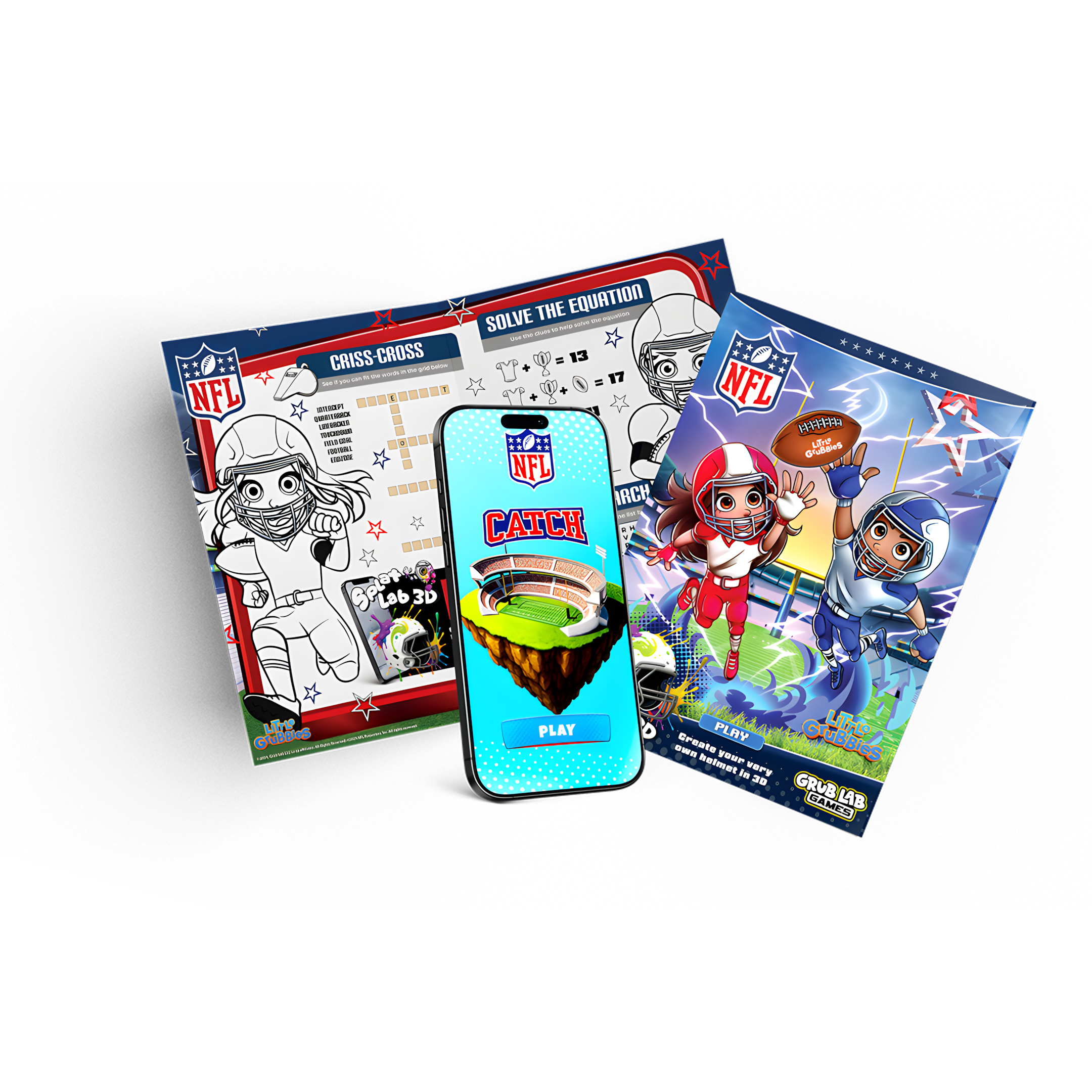
Every computer, they expect to touch it and see it, you know, a touch screen or something like that. So our hypothesis was if we could build a really cool experience with a digital element and augmented reality as a binary element. We've got, you know, our NBA product. Benny the Bull comes to life on the, on the table in augmented reality, and he's dancing around in the real world on the table at your local restaurant.
You know, we've got games. But what we wanted to do was have you know, the standard kids' menu. The kids' menus came in, into play, and you would've seen them at every restaurant. This black and white printed in the back office hasn't changed for three years. That was introduced, introduced in the '30s, right?
In 19-
No creativity, super boring.
No, correct. And of course, they haven't focused on it and they don't have the resources. But that came in, in 1930,, you know, crayons and, and, and a black and white coloring book was 1930. Hasn't been disrupted in, you know, 90 years. And then McDonald's did the whole... Don't know, they launched in '81 with the Star Wars Happy Meal.
And then, you know, as we know, raving success taking brands and IP, engaging kids, cool toys, products, experiences and that's, you know, you've got a fan for life once you get them in if they're under 12. So that was our hypothesis was how do we, how do we do that for everyone that's not McDonald's? And that's where we landed on.
We wanted a really red-hot physical menu program that was, you know, without tech, was really cool and the best on the planet. And that's where we landed. And then we wanted to take it to the next level by scanning a QR code into our digital GrubLab games world to give the kids that extension. And the- our hypothesis was exactly what we said before.
If they've got the physical menu and they spend five or 10 minutes doing that, we want them to scan that QR code and spend another 12 minutes or 15 minutes playing our games and experiences and engaging with the NBA and Jurassic dinosaurs so that mom and dad have an extra beer or wine or dessert.
That was our, that's our pitch. Now, if we can deliver 15 minutes of extra quietness and, and kids engaged and having a good time, that will then drive the parents to stay around longer. And we know restaurateurs are busy, so what, what our, our program does is every two months we bring a n- you know, another brand, another IP, another voucher to give away to the kids, another digital experience.
And the restaurateur doesn't have to think about it. They just plug and play, set and forget every two months
You know, I call that a super huge hook, and I was always a huge believer in hooks. You can't have too many hooks. That is a marketing hook that once you hear about this, you gotta experience it. But are you seeing, Mick that, that parents are getting involved in this too? Like, they're seeing this thing come to life and they're interacting with the kid and the augmented reality also 'cause it's so unique and different
Yeah.
right?
To be honest, mate, parents are actually more wowed by the augmented reality. You know, when our dinosaur comes to-- You know, we've got actually the dinosaur model out of Jurassic movie. When that spawns on the table and the parents see that, they're actually more excited than the kid a lot of the time, 'cause they're not...
You know, kids are just so tech-savvy and tech native that, you know, a, a 40-year-old parent like me, I'm like, "Whoa, you know, I've never seen that before." A lot of parents haven't seen augmented reality. So
I
yeah, and parents are certainly involved
That is wild. So now you're, you're paying licensing fees. Am I correct about this? Like, you've got major sports, you've got major Hollywood entertainment properties that are all part of this, and you're constantly coming up with new AR. Is that right? Did I hear that correctly?
Yeah, 100%, mate. So we, you know, we go out, we've got a deal with the NFL, a deal with the NBA. We work with Universal Studios, so we have access to all their, their big brands, you know, from Gabby's Dollhouse to Minions to Jurassic. And then we do-- we've done work with Sony on their Ghostbusters range, and we just secured
smurf, we've got Shrek. So you name it, the IP is.. And these big brands, obviously, they wanna access the kids as well, right? They want... You know, there's nothing better for a brand, like, say, Shrek, for instance, to have the next generation of kids engaging with Shrek at the dinner table. So everyone wins here.
That's the, the key is. And they can't access... You know, think about these brands, right? They can't access 30,000 restaurants, individually
Yeah. Right,
Our platform solves that. Yeah
Is it an a la carte menu to determine what properties or what different AR a restaurant gets? Or do you have mult- packages that includes, you can have MBA, you can have... Like, how does that work? Let's talk about the pricing model, and is it a la carte? Is it one inclusive package? Like, tell me about that
Mate, we're trying to make this as simple as possible and a very clear hook in ROI. So we charge, essentially it ends up being about $3.50 a day for a restaurant as a starting point. So super cheap. You know, we had a restaurant,
Mm-hmm
the other day say, "I spill, I spill more fries than that a day."
So that was their feedback on the costing. What that does, that gets you a new product, gets you access to all the licensing. We have a set and forget plan that every two months we send out, you know, this month we send out NBA, two months later we send out Jurassic, then we send out Smurfs. So that happens.
That's just a set and forget, and you just pick how many you want. And then what you can also do is you can go in and pick from our catalog. So you might say, "I'll take NBA, but I also want Smurfs." So you can just go on and add that to your order, and it turns up. We've got a partnership with Staples, a national printing partnership.
So it just turns up, set and forget. You customize the back of it to put your menu and logo right next to the big brands, and then we ship that off to, to Staples, and it turns up drop shipped straight to each restaurant individually
Now we're talking about a QR code on that menu that like brings stuff to life. Is that correct?
Yeah, 100%. Inside every brand or series we do has a digital experience. You scan that, that goes into our GrubLab Games world and you'll play that. You know, you scan the NBA product, you go into the NBA experience. You can also then access all the other experiences inside that world to, to extend the gameplay.
Yeah
You might have mentioned this and I might have missed it, but I, I wanna make it clear. Like we talked about those old boring menus and whatnot. Are we encouraging restaurants to get rid of those and come up with something a little cooler before they work with you? Or you'll work with any menu and it just somehow becomes cooler because of the experience that it delivers?
Yeah. Mate, our menu itself is, you know, it's a tabloid size, folds in half, so it's a bigger product. We have three pages that are at the top notch. So think about the NBA, there's three pages of this that's designed, developed, ready to go, so it's already better. On the back of that is a, a page for the restaurant to showcase their kids menu and showcase their logo.
So we still work with them. Our system will manage that backend stuff and we can design this in sub five minutes. You know, we've got a system that we use some AI, as every startup in the, in the world at the moment has AI. But, all our AI does is go to their website, or they can enter in their kids menu, we'll scrape it, get their logos, their colors, generate a really cool, fun looking menu on the back, and then that, that complements, you know, the big brand and stuff.
So the NBA menus and all them big brands, and , their menu on the back goes, ties in well with that
Fantastic. Super cool. So there, it sounds like there's not much of an onboarding time. Like, what my audience is interested, they contact GrubLab
Yeah
like, how soon can you be up and running? As soon as you can run out to your Staples once you get something from you? How does it work?
Mate, it's, it's actually simpler than that. You don't have to go to Staples. So you basically go to our website, you'll import a square menu maybe using our platform or, or something you've designed yourself. Once that in, that's in, you're registered. We do a print run every week. So you, you go on and register, sign up.
You can do it in sub five minutes. It's super easy. And then once that's in there, the next print run on the next, you know, the next Monday, it goes in, gets printed, cut to menu, biggest brand, and then Staples will ship it straight to your door. So you don't even have to run to Staples. It's, it's better than that
Oh man, right to your door, delivery included. You do all the heavy lifting and it's like, God,
Yep
super cost-effective, but what a hook, what a dynamic concept, man. I mean, you're, again, revolutionizing the kids menu. I haven't s- I can't wait to see it. Like, I've seen online. I haven't seen it
Yeah
in a restaurant, so I wanna check out a restaurant that's actually using it and bring, bring some kids along and see how excited they get
Yeah, for sure. For sure, mate. Give us, give us 20 local restaurants and we'll, we'll send 'em some stuff out for free
That's
and let 'em test it out. We're that confident, yeah
Fantastic. Mick thanks for joining the show. That's all about Grub Lab. We're gonna put the URL in the show notes, and we hope you check it out, 'cause again, it is so unique and different, and I consider that a competitive advantage if you've got a family-friendly restaurant. Thanks for being on the show, Nick
Beautiful Roger. Appreciate you man
That was the Restaurant Rockstars podcast. Thanks so much to our audience for tuning in. Thank you to our sponsors this week, including GrubLab. Thanks, Mick, for your business, and we can't wait to see you in the next episode. Stay tuned, stay well, and I will see you then
Kids often determine where the family dines out, and they want to go to the fun place, so you need the coolest kids' menus. Grublab has reinvented the kids' menu. Imagine NBA, NFL, and Hollywood brands in augmented reality that come to life right at the table. Collectible menus that rotate so there's always something new with your restaurant's look and logo, all for just $99 a month.
Now Grublab is giving our audience their first month free, plus 100 free kids' menus. Go to grublab.co/rockstars. That's G-R-U-B-L-A-B.co/rockstars

Owner.com runs automated marketing campaigns for your restaurant that send personalized offers, order reminders, promotions, and new menu announcements automatically to your guests. So your marketing works for you every single day. And here’s the real power move: Owner.com gives your restaurant your own branded app.

ZivZo Marketing, Advertising & Video Production: ZivZo is not only a full service marketing agency, but restaurant industry pros specializing in animation and video production that brings your restaurant to life.
Smithfield Culinary serves up perfect proteins for every dish and every daypart like Smithfield’s new ready to eat select bacon, Its premium, ready to cook bacon that will elevate your menu and your bottom line. Smithfield Select saves you time, labor and back of house costs all while satisfying your guests. When you partner with Smithfield, you serve what you love and your guests will love what you serve.

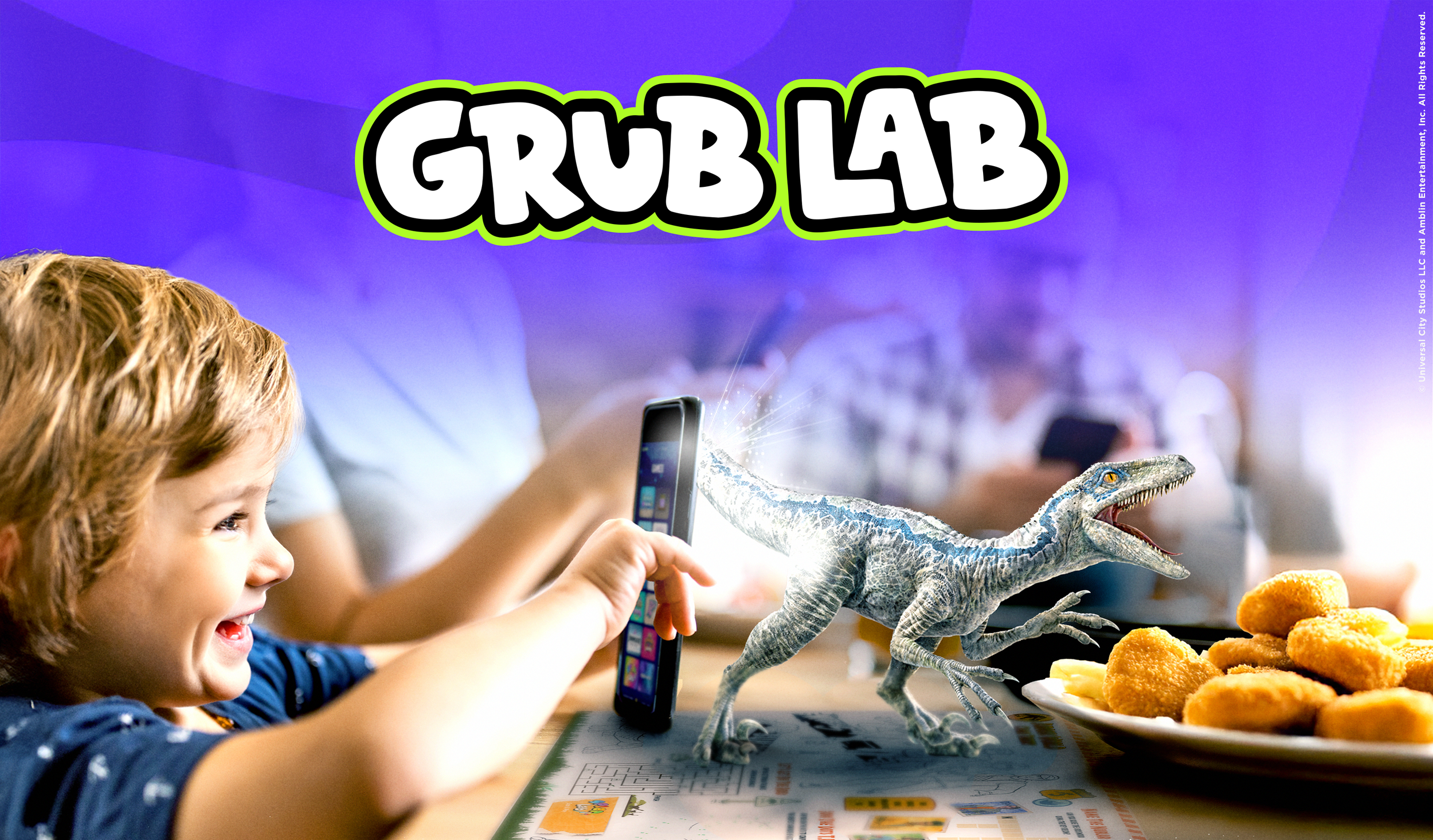
Grub Lab completely reinvented the kids' menu. Imagine NBA, NFL, and Hollywood brands in augmented reality that brings characters to life right at the table, and collectible menus with your look and logo that rotate every couple of months, so there's always something new. Families stay longer, spend more and come back more often. Turn your kids' menu into a real loyalty driver.