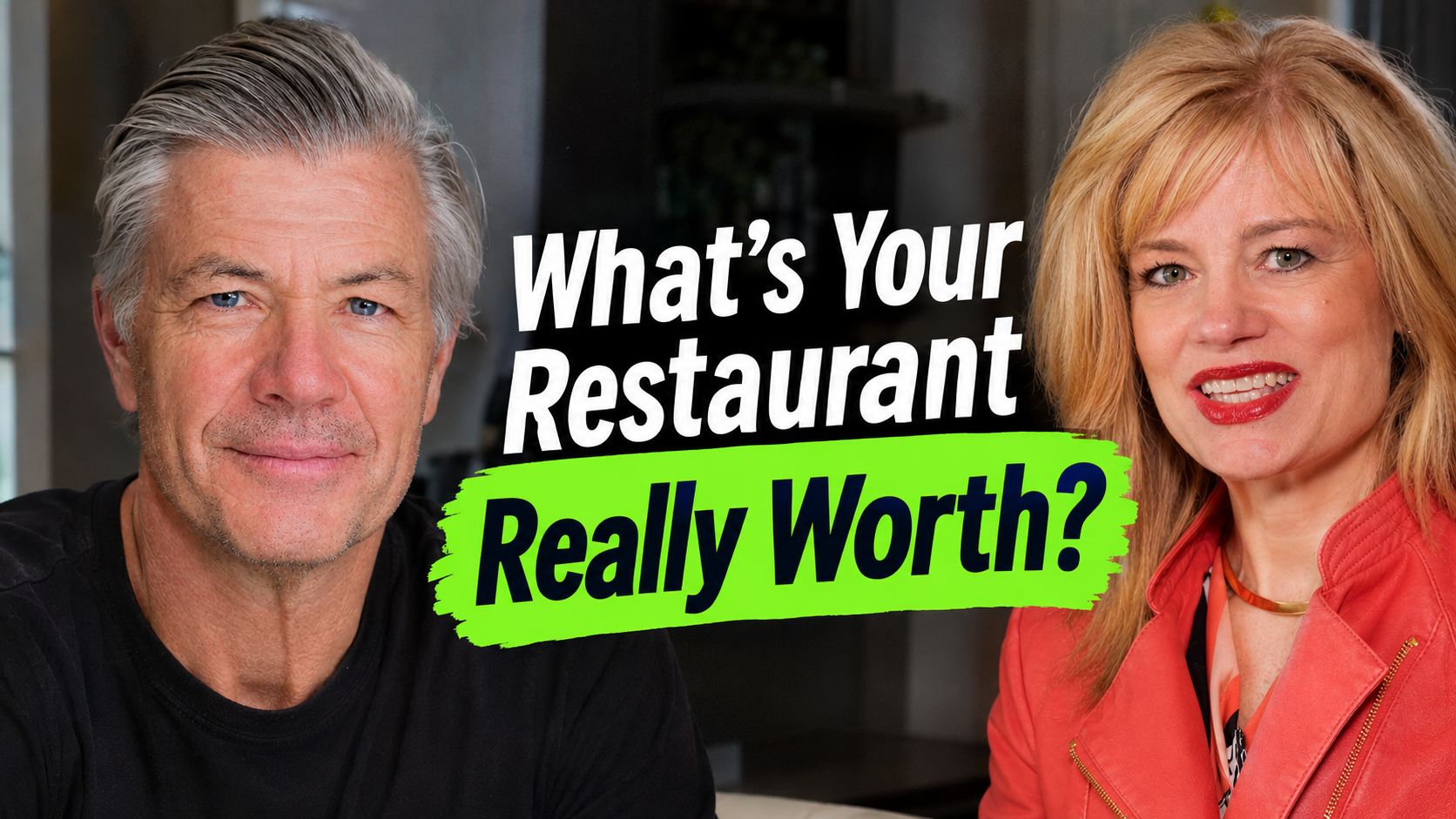
Thinking about selling your restaurant someday? The work that decides your sale price starts months, sometimes years, before you list.
Robin Gagnon, co-founder and CEO of the restaurant brokerage We Sell Restaurants, has been helping owners buy and sell restaurants since 2004. On the Restaurant Rockstars podcast, she and host Roger Beaudoin, who has sold several of his own restaurants, walked through what owners should do to get the most value from a sale.
Start With Clean Books
Robin's first piece of advice: make your CPA your best friend. Sales numbers are table stakes. A buyer needs accurate profit and loss statements (P&Ls), done at least quarterly and ideally monthly, that show what a new owner can actually take home. "Get those receipts out of the cigar box," she says.
That take-home number is called owner benefit or seller's discretionary earnings (SDE). A broker recasts your P&L to add back expenses that won't carry over to a new owner, such as depreciation, interest on your loan and personal expenses run through the business, like a car lease or cell phone. Robin's test for an add-back is simple: what goes away when you go away?
What Mistakes Cost Restaurant Sellers Money?
The biggest one is paying employees off the books. It hides your true labor cost, and today's buyers are sophisticated. They will run your financials through AI and spot a P&L that shows 13% labor, a number no real restaurant runs. If you have been paying staff off the books, Robin says to plan on a two- to three-year window to bring everything onto the books before you sell. Roger adds another red flag: restaurants that spend the sales tax they collect and can't pay the state at the end of the month.
Put Your Systems on Paper
A restaurant that runs without the owner on site is worth more. Robin suggests using AI to get your institutional knowledge out of your head: your recipes, how many guests each batch feeds, your ideal schedule. The goal is a business someone new could run from your written systems. Don't worry about giving away Grandma's secret sauce. That's what the buyer is paying for.
Cost out your menu, too. Robin has seen favorite dishes deliver $2 or $3 a plate in profit while a higher-priced plate delivers $7 to $9. Your food supplier can help you price out each plate and check portions.
What Do Buyers Check in Due Diligence?
Due diligence is now handled electronically, usually through a shared Dropbox folder. It has two parts:
- Financial: Does your P&L match your sales tax filings, your year-end tax reporting and your point-of-sale (POS) system?
- Physical: Is there deferred maintenance, like tape on a leaking cooler instead of new gaskets? Is your HVAC on a maintenance contract?
Buyers typically review the past two years of financials plus the current year, the same period Small Business Administration (SBA) lenders review. Even after you agree on a price, deferred maintenance found in due diligence can bring it down.
Check Your Lease Before You Sell
Robin's book "Appetite for Acquisition" has a chapter called "The Landlord Is Not Your Friend." Before you list, review your lease's assignability, its options and its renewal terms. She recently spoke with a small yogurt franchise doing about $280,000 in sales whose landlord wanted $6,000 a month in base rent before common area maintenance (CAM) charges, taxes and insurance. "The math does not math."
Little new commercial space is being built, so landlords can push rents higher. The upside for sellers: one of the most popular listings right now is an existing restaurant that isn't making money. Buyers want the hood, grease trap, equipment and lease options so they can convert the concept without permits, construction or impact fees.
How Is a Restaurant Valued, and How Long Does It Take to Sell?
We Sell Restaurants values restaurants using comparable sales, from its own closed deals and the BizBuySell database, as a multiple of sales and of SDE. About half of sellers think their restaurant is worth more than the market will pay. If an owner owes more than the business is worth, an experienced broker may be able to negotiate an offer in compromise with the SBA lender.
The average restaurant takes about 185 to 195 days to sell, measured from the listing agreement to the closing table. Expect to sign a one-year listing agreement and to spend three to six months attracting a buyer. Franchise approvals, landlord approvals and lease assignments take much of the rest.
Keep It Confidential, and Treat Your Team With Dignity
Most We Sell Restaurants listings are confidential. Buyers sign a confidentiality agreement, and for more valuable restaurants they provide proof of funds. Whether you tell your staff depends on your team, but when you do, Robin says to run the exit the way you ran the business, with heart. If you run a pizza shop, bring dessert on closing day. If you run a dessert shop, bring pizza.
Should You Sell the Real Estate?
About 75 to 80% of restaurants sell without the building. If your building has become worth more than the business can support, Robin often recommends selling the business, including the furniture, fixtures, equipment and goodwill, and staying on as the landlord. That creates ongoing income and can be a good tax strategy. Work with your CPA and attorney on how the sale price is split between goodwill, equipment and real estate, since the split has tax effects for both sides.
Plan a Short, Smooth Transition
Sellers usually offer two weeks to six months of training. Robin says buyers who ask for the longest transitions are often the first to call and ask how fast the seller can leave. Written recipes, vendor lists and processes are what make a short handoff possible.
Frequently Asked Questions
Q: How many years of financials do I need to sell my restaurant?
A: Buyers typically want the past two years plus the current year, matching what SBA lenders review.
Q: What are add-backs when selling a restaurant?
A: Expenses that go away when the owner goes away, such as depreciation, loan interest and personal expenses paid by the business. Adding them back shows a buyer the business's true earnings.
Q: How long does it take to sell a restaurant?
A: About 185 to 195 days on average, from signing the listing agreement to closing.
Hear the full conversation with Robin Gagnon: listen to the Restaurant Rockstars episode "What's Your Restaurant Really Worth? How to Build Value Before You Sell" at https://www.restaurantrockstars.com/audio/509-whats-your-restaurant-really-worth