Stop Restaurant Staff Turnover: Hire Better, Lead Better
Are you constantly hiring, covering shifts, and wondering why your restaurant employees keep leaving?
My guest, Dana DeVito, has been there. After hiring and managing more than 6,000 people and facing 300% employee turnover, he realized that filling open positions with anyone available was keeping his businesses trapped in the same cycle.
In Episode 507 of the Restaurant Rockstars Podcast, Dana, Co-Founder & COO of Elite Performance Associates, shares how he changed his approach to hiring, accountability, onboarding, and leadership. He still operates coffee shops today, so these lessons come from working alongside his teams.
We discuss what it takes to build a restaurant team that wants to contribute, supports one another, and helps recruit the next great employee.
How can restaurants reduce employee turnover?
Dana’s approach starts with defining the character traits a role requires, maintaining hiring standards, and supporting employees after they join. Clear expectations, ongoing coaching, thoughtful onboarding, and opportunities to contribute all play a part.
Hiring is the beginning. The way you lead people every day matters just as much.
In this episode, you’ll learn:
Why hiring anyone who can fill a shift can keep the turnover cycle going.
How Dana’s “wanted poster” helps him evaluate drive, mindfulness, humility, and role-specific traits.
Interview questions that reveal how candidates build relationships and handle challenges.
Why promoting a strong employee into management requires leadership training.
How to reinforce expectations through demonstration, practice, and follow-up.
A five-question framework for employee-led one-on-one meetings.
How to welcome new hires and support them while they learn.
Why employee involvement can be more meaningful than another employee-of-the-month award.
How Dana responded when a business that needed 22 people was left with seven.
Why protecting your team and taking responsibility are essential leadership practices.
Dana’s five-question employee check-in
Instead of relying on an annual performance review, Dana encourages employees to prepare for and lead regular conversations with their managers.
His framework covers five questions:
What are your successes?
What are you working on?
What obstacles are getting in your way?
What can I do to help?
What are we committing to?
These questions are paraphrased from our conversation. The purpose is to give employees ownership while helping leaders understand where support is needed.
Dana suggests weekly meetings where practical, or monthly meetings for larger teams. A focused conversation can take 15 to 20 minutes.
A better approach to restaurant onboarding
A new employee should arrive to a team that is prepared and happy to see them.
Dana explains why that first impression matters, how he makes room for learning mistakes, and why he schedules experienced employees to support newer team members where they are most likely to struggle.
His coffee-shop example includes three days of initial barista training before an independent shift, with continued support from experienced staff. Your training schedule should reflect the demands of the position.
Leadership starts with responsibility
One of the most powerful parts of this conversation is Dana’s willingness to examine his own role in the staffing problems he faced.
He describes moving away from seeing employees simply as people hired to solve his problems. Instead, he focused on understanding their needs, supporting their growth, and creating an environment where they could succeed.
We also discuss how inviting ideas from every position in your restaurant can build stronger leaders and improve the business.
Listen to Episode 507 for a practical conversation about restaurant employee retention, accountability, and building a team you can count on.
If this episode helps you, subscribe to the Restaurant Rockstars Podcast on YouTube or your favorite podcast platform.
Roger
About Our Guest:
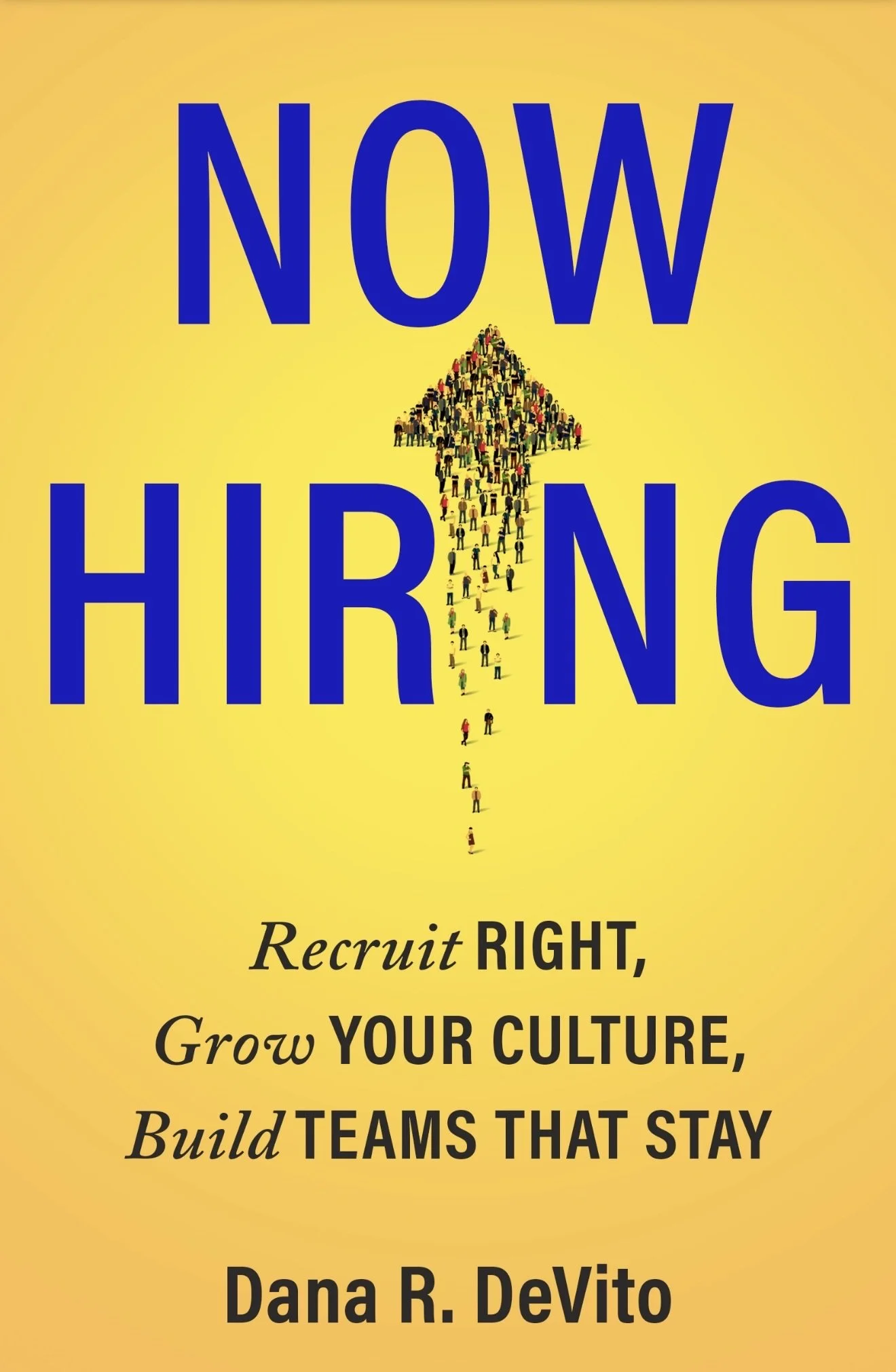
Dana DeVito is Co-Founder & COO of Elite Performance Associates and author of Now Hiring: Recruit Right, Grow Your Culture, Build Teams That Stay.
Having hired and managed more than 6,000 people and faced 300% employee turnover in his own businesses, Dana brings firsthand experience to the challenges of restaurant staffing and leadership. He continues to operate coffee shops while helping leaders recruit the right people, strengthen their culture, and build teams that stay.
https://www.linkedin.com/in/dana-devito/
https://www.instagram.com/dana_devito/
About Restaurant Rockstars
The Restaurant Rockstars Podcast helps restaurant owners and operators build stronger teams, increase profitability, improve hospitality, and run more successful restaurant businesses.
Ready to strengthen your operation?
Join The Profitable Restaurant Operator Academy:
https://www.restaurantrockstars.com/joinacademy
Run a Smarter, More Profitable Restaurant.
Discover the proven systems & solutions that drive sales, train staff, and maximize your margins.
Explore The Restaurant Academy now: https://restaurantrockstars.com/joinacademy
Smithfield Culinary serves up perfect proteins for every dish, every daypart like Smithfield’s new ready to eat select bacon, new ground chorizo or the broadest portfolio of pork. When you partner with Smithfield, you serve what you love and your guests will love what you serve.

In a busy restaurant missed calls mean missed sales opportunities. Yelp Host is an AI phone answering service that handles reservations, waitlists, and takeout orders 24/7. Yelp Host Speaks 17 languages, handles multiple simultaneous calls, answers questions, books tables and sends everything right to your kitchen.

Restaurants always need Capital when THEY need it! Problem is you don’t have time to wait, you need the cash now! Forward Financing has funded more than $5.4 billion to over 100,000 small businesses, and 10,000 restaurants just like yours. Forward funds anywhere from $5,000 to $500,000, often with same-day FUNDING.
Connect with Restaurant Rockstars:
LinkedIn Restaurant Rockstars: https://www.linkedin.com/company/restaurant-rockstars
LinkedIn Roger Beaudoin: https://www.linkedin.com/in/roger-beaudoin/
Facebook: https://www.facebook.com/restaurantrockstars/
Instagram: https://www.instagram.com/restaurantrockstars
X: https://x.com/RestaurantRock1
Listen to the Restaurant Rockstars Podcast on Your Favorite Podcast Player:
iTunes - https://apple.co/2WaKyqV
Spotify - https://spoti.fi/3xGuOd0
Stitcher - https://bit.ly/3iFGAAb
Soundcloud - https://bit.ly/3lYBhho
-
Today's show is about labor challenges, retention, and low turnover. My guest today is Dana DeVito. In the trenches in multiple restaurants, losing people left and right, and stressed to the max, he came out the other side, turned his ships around, and still operates today with what I call the dream team.
How did he do it? Stay tuned to find out. You're gonna wanna listen start to finish. Restaurant owners and GMs, I'll bet your menu is costing you hundreds of thousands of dollars in lost profit every year. That may sound hard to believe, but after 30 years as a multi-concept restaurant founder and operator, I've personally identified up to $345,000 in lost profit at individual restaurant locations for franchises, restaurant groups, and independent operators.
I created the turnkey Menu Profit Accelerator that identifies hidden profit in all menu categories, where lower profit items are stealing sales from your most profitable items. You might be filling your seats, but is your bank account growing? Now, most operators I know are maxed out running the business.
So don't want to do it yourself? I'll personally analyze your menu to uncover where profitable dollars are leaking and identify the opportunities to put that money back on your bottom line. Set a 30-minute, no-obligation call with me. Go to restaurantrockstars.com.
Thanks audience for tuning in. Dana, welcome to our show. Thanks for being here
Oh, thank you. I've been looking forward to this for a while, so appreciate it
Boy, you've got some stories to tell. You've hired and managed over 6,000 people, and you survived 300% employee turnover. Yikes. What did you finally realize that, you were doing wrong that traditional hiring advice never told you?
Oh, boy. So in that instance, I owned fast food restaurants and coffee shops, and so very transient in nature, a lot of young kids coming through. And really what I was finding is I w- if you fogged a mirror, I'd bring you in and just get you going as quick as I could, because I had so many positions to fill.
And what I found was without qualifying them, without really holding some high standards in their character, I was just facilitating and really enabling this, this turnover to bury both my organization and me personally, 'cause I was on the floor every day
Yeah, so many operators can totally understand and relate to that because again, there's that warm body thing. It's like you need people. Staffing has been short. It's been a disaster for lots of restaurants since the pandemic, and they just wanna, the service must go on. But what you realize is it's a long-term game, not a short-term one, and turnover costs you a ton of money. And again, besides that, it's like the inconsistency of the team really affects the guest experience. So I
100%.
you've seen a lot of that. So when you're desperate for bodies, you know, how do you resist hiring, you know, just anybody, like you said, who can fog a mirror? And, you know, what should you look for instead?
What's your technique now? What's your best advice?
Yeah. It's a difficult hole to dig out of. At 300% turnover, it took me a long time to get out of that. But it was just through diligent adherence to the standards that I set. And so I developed a system that I call the wanted poster, where the skill kind of becomes a binary, a yes or no.
And in fast food and coffee, it's pretty easy for me to say that, I'm gonna train you when you get in the door anyways. So if you've got some, some basic fundamental capacity, then I'm good there. Beyond that, it's what character do you bring to the table? So I really look for what I call drive, mindfulness, humility, and then a, a very defining trait for coffee, for one of my coffee shops, for a barista, I look for outgoing.
And so I start to measure any candidate walking through the door based off of those criteria. And I flipped it on the ear. Rather than have them build... i, first of all, I quantify it, so I give a, a numeric standard. But rather than have them build on a scale of 1 to 10, trying to achieve 10, I assume everybody starts with a 10 when they walk through the door.
And then as I get to know them or I talk with them, I see if there's anything that shows me maybe a lack of drive or a lack of humility. And then I start to deduct points from that. How that all balances out is they need to score a 90% or higher at the end of the day. And so as I'm coming out of that 300% turnover rate, I just held to my guns.
And if it wasn't a good fit, I was working 16, 18 hours a day anyways. Why not keep doing that, but keep bringing the right people to help support me on the tail end? So
That is a powerful system. So let's talk about it's, it sounds like you hire for approach and attitude, and also you'll train for the rest. You can train someone, but you can't train on personality a true desire to serve the public, the hospitality piece, you bring that to the table. And so does... Have you seen that definitely increases longevity and lowers turnover?
Yeah. It's amazing what... When I started hiring the right cultural fit, when people that wanted to be on my team, that, that... the humble heart is, I think, critical to it. Being able to receive and grow from feedback being provided to you. So now I have team members that look out for me and my organization.
If they know... I still hire a lot of high schoolers, still hire a lot of college kids. They're gonna go back to school if they're there for the summer, but they're already looking, "Hey, who do I know in my circle that may be a good fit when I leave?" So they're filling gaps in my organization for me, which is, man, boy, it makes my life easy
That's called recruiting, not hiring.
Yeah.
You
That's right.
but it's very proactive, not only on your part to encourage that, but also on their part to say, "Hey, I really had a great time here. This was really a good experience. There's a culture here, and it's like I'm gonna recommend this place, and hopefully I'm gonna come back when I'm on college break 'cause it's a great place to work."
That is powerful right there. What about, let's talk about interviewing, because back in the day, I interviewed just about every person, and we share a lot of the similar philosophies. Did you have any unusual or interesting questions? And I ask you this because a lot of times somebody in an interview is gonna try and tell you what they think you wanna hear versus a genuine from the heart answer.
So can you remember any unusual questions that really got to the heart of who they were as people?
Yeah. I don't know if they're unusual. I think they're pretty simple and straightforward, but I always tend to bear towards the positive. I... everybody's looking for you to try to catch them on the wrong or the negative, and so you... What do you do when you get an argument of a, with a customer or when you have a debate with their, your supervisor?
What I wanna know is what's your favorite, who was your favorite customer? Who was the favorite person that you had to work with? And it's really telling because those that have been in the industry and that really value customer engagement, they know immediately who their favorite customer is, and maybe they've got a handful of them.
And then what I look for in that assessment is do they remember their name, right? What's their what unique story do they have to show or prove that there was actual relationship there? The other thing that I found that really gives me insight into character is what's the hardest thing you've ever done, whether you were successful or not?
Gotta answer that. Yep
I had a kid when I was opening up my coffee shops. He did not meet my standard. He, I was desperate for people though, so I was like, "All right. Fine. I'll interview him." And as I got to talk with him, he said he started re- or umping baseball games when he was 11 years old. And I was like, how do you handle parent aggression at 11 years old?
Because you know that you're getting yelled at. And so we started getting into this dialogue of how he, how he navigated dealing with hard circumstances from parents that were three times his age or more getting to say... And I hired him, and he ended up working for me for three times. He was recruited away by corporate, came back to me, managed for me.
Just a great gr- great relationship with him and, But it was a really telling question and answer that that I found
You know, you also triggered a thought. About recognizing, you know, repeat guests and creating those relationships and making friends? I talk about this often 'cause it's so important for, you know, getting guest loyalty. But it really starts by introducing yourself by name. I always insisted that every guest-facing team member of mine, whenever they're interacting with a guest, they introduce themself.
And they might even ask, "What's your name?" and, "Have you been here before?" And we try to get to know people and build that relationship because it often turned into a great experience which turned into repeat business. Was that, is that something you recommend?
Yeah I recommend it. I don't adhere... I don't force the script. I give an outline of the script, and then really ask people to, to ad lib. I b- believe wholeheartedly in kind of a memorization, but really want them to go out on a limb and give some engagement. But it's about asking the...
kind of that second and tertiary question of, "Where are you at today? What, what's going on?" What... where... get to know a little bit more detail rather than just what's your order or how are you doing and get past the simple kind of fluff questions. But yeah your point, the names are so powerful.
It brings... It's why we turn around when we hear our name, whether somebody's calling to us or not in a crowd. It matters to us, so
So I speak many restaurant shows across the country. I talk to a lot of restaurant owners, even general managers, and it always comes up, you know, that same old, "Nobody wants to work anymore," or they ask me, "Why don't they show up on time?" Or, "Why isn't their performance consistent? Sometimes they do great, and other times they're just off," you know? And is- would you say that's a hiring issue? Would you say that's a management breakdown? Like, is it both?
Yeah.
think?
Yeah it's all of those. And that's why hiring the right person on the front end, it, you know the deal. There's a few things that we can guarantee we get right in the restaurant business. We can get right the schedule. We can get right the hours of operation.
We can get right the order. And then something is bound to go wrong. So I fi- I for- I picture that in the same idea with the interview process. If we hire the right people, then we're not gonna have issues of their timeliness. We're not gonna have issues of the quality of work because we know that they're motivated, they're considerate of those around them, they're humble enough to hear the feedback that they need to hear.
And so those, those issues on the front end largely go away. Now, to your other point is management or leadership is a key component. We've gotta teach leaders to create boundaries and structure that people operate in, and I think we do a really poor job of taking technicians and growing them into a management or a leadership role.
We don't give them the skillset on how to have a c- hard conversation, why you need to do it earlier rather than later. And it's honoring to hold people accountable because we're no longer enabling bad behavior. We're giving them the best opportunity to be successful and catch them doing stuff right rather than always chewing them out and doing them, seeing them do stuff wrong.
That is definitely the right approach. I think you've triggered this thought about some managers set their people up for failure, and it's not their fault. They're just not given enough direction, or they're not mentored, or, you know, maybe they don't shadow other people. But it's like you throw somebody loose and hope for the best, and that is not a strategy, you
No. No, hope is never a good plan.
Yeah. Let's talk about accountability, 'cause that's so important. Imagine, and you were, obviously you were in the thick of it for so long, and I know you're really thanking your lucky stars that you're no longer doing that, and you're going on to help other people with this very issue. But let's talk about accountability, because if you're a restaurant owner or a general manager, you've g- and you've been there a while, you got a really good handle on what you expect in every single position in that restaurant, okay?
And those are called expectations. How do you hold people accountable to those expectations? Is there any kind of framework that you used to use, or what do you suggest?
Yeah. To me, the, the role of leader is relationship, and you need to be engaged consistently and constantly. John Wooden was a basketball coach for UCLA, and he had a great principle on the idea of teaching. So you give expectation, you demonstrate, you allow to practice, and then you repeat repeat.
So I think what we as floor leaders or operational leaders forget is we can't ever let the ga- pedal off the, or our foot off the pedal. We need to continue to engage a- and go where our team members are at. I think as adults, we think if I tell you once, I can forget about it. I don't ever have to worry about it again.
But we've gotta go back to the same well and re- and remind individuals of what the expectations are, and that I'm gonna be paying attention. We, we trust but verify. I'm sure you've heard that through the years in the industry. It's... That's what we gotta do over and over again. I-
No doubt. Do you believe in performance reviews after a certain amount of time if there is, in fact, expectations set, and how often does that happen? I mean, it's just one of those thousands of details when most restaurant owners are just trying to put out great food and take care of all the other details.
It's like the last thing they have is, "Okay, I got 15 or 20 employees. How could I possibly review every..." You know, I've heard
Yeah.
before,
But yet there's got to be some kind of a template for expectations, performance, rewards when you do something great, recognizing people, and then reviewing them. Because people want to know how well they're performing, even if it's just a pat on the back for five minutes and you praise people.
Yeah. Oh.
about that?
Yeah, s-
done it? What do you do?
When your restaurant is slammed, the last thing you need is the phone ringing nonstop, but every missed call can mean a missed reservation, a missed takeout order, and a missed sale. Yelp Host is an AI phone answering service built for busy restaurants. It can answer calls 24/7, handle reservations and wait lists, answer customer questions, and now take takeout orders using AI and send those orders straight into your restaurant's POS with no commission fees.
Yelp Host speaks 17 languages, handles multiple calls at once, and integrates with OpenTable, Yelp Guest Manager, and major POS systems. The results are real. Buttermilk Ranch saved about 80 hours of labor every week, and The Metropolitan booked more than 500 tables in just three months. So while your team is busy running the restaurant, let Yelp Host handle the phone.
Learn more at business.yelp.com/rockstars.
Smithfield knows that to meat lovers, a great serving of their favorite cut is so much more than just food. It's an experience. That's why Smithfield is committed to offering you the perfect protein for every dish and every daypart. Like their new ready-to-eat Smithfield select bacon, where chefs won't leave a mess and patrons won't leave a trace.
Or new ground chorizo, letting you serve up tasty, smoky heat. And turn to Smithfield for the most comprehensive portfolio of pork products such as bacon, ham, sausage, and more. When you partner with Smithfield, you'll serve what you love, and your hungry, carnivorous patrons will love what you serve. For more information or to order products, visit smithfieldculinary.com/smithfield.
For sure. You asked me earlier, do I have any frameworks, and so going back to that, I do. And I'm not a big fan of performance reviews. I think, you do it once a year, and then you forget about it, and then by the time the r- year rolls around again, you're like, "Oh, what happened?
I... Did I ever grow or work with my team member?" And largely the answer is no. So I encourage a staff-led one-on-one engagement with the leaders. You talk about having 25, 30 staff members, and ideally there's a couple things that go on here. One is we rarely teach people to lead up the organization.
It's always teach people how to lead down. And so what I wanna do in a transient business like coffee or fast food is I wanna empower my staff members to grow professionally in their career and skillsets as they move on to the next role. And so what I wanna do is give an a- give a framework to help them understand how to lead back to me.
And so I have a, a simple five-question one-on-one framework that I give my s- team members, and I... Ideally, you'd meet with them once a week, but y- having 25 to 30 staff members, it's probably once a month. But it's, what are you work... what are your successes? What are you working on?
What are the b- what are the boundaries that are getting in your way or hurdles that are getting in your way? What can I do to assist, and then what are we committing to? And so that, it takes 15 to 20 minutes, but it's purposeful. They come prepared with the answers to those questions, and they guide me through the conversation, and I am simply there to ask for clarity and then provide support.
And so continuing to give them their agency and their own success while keeping me informed and empowering rather than just enabling a bad behavior.
Awesome. So therein lies let's just assume that every business has at least one superstar. Let's just-- I call
Yeah.
players.
Got one A player, and then there's a bunch of mid-tier players that are just so-so. I got a C player or two that I need to have. I can't get rid of them until I can find somebody better. do you avoid-- Because favoritism is obvious to everybody, but if someone's a real standout and they get recognized all the time, that's not cool. So you gotta maintain some impartiality, yet you also have to try to up-level the rest of the team to meet that standard. How do you do that without creating, say, resentment or...
it's a balance. It's a real skill. It's, it-- There's almost a science behind it, but
Yeah.
got an answer.
Yeah, for sure. Yeah, great question too, 'cause that is something that we run into, especially as we increase the size of our organization, the personnel we've got. What, and so what I look for is really identifying... I highlight that you really can only have one or two projects, meaning that you can s- focus extended or purposeful time every week with just a couple individuals.
And so what I want is the manager or the, the GM to really pick two people that they're gonna be training to then cascade down, so we get this hierarchy of engagement and responsibility and relationship. The problem is that we tend to ignore the problems. We tend to ignore the people that are C players, that aren't doing anything good, and so they feel dismissed and less than and not part of something, and we wanna pull them in as tight as we can.
If they are, show humility, if they show drive and they show a perseverance on wanting to get better then how do we do that? But the GM can't be there every day with everybody, and so we need to empower other people within our organization and teach them how to have those relationships
I'm glad you used the word empowerment. And, you know, at the risk of sounding like I repeat myself all the time, empowerment is so much more powerful than delegating because a boss tells somebody what to do, how to do it. Someone who empowers really understands what, you know, what the job entails, shows people the right direction, gives them...
does not set them up for failure, but also recognizes talent and gives them additional responsibility if that person wants it. That's a true leader in my book. Let's shift gears a little bit and talk about another very important aspect, procedure. Like, where do you stand on that? A lot of crazy things happen in restaurants.
There are minor infractions. Somebody shows up late routinely for a shift. Okay, that's a minor infraction. Someone's selling drugs over the bar. That's a major infraction. Some kind of bullying or harassment, and everything in between. There needs to be a framework, again, impartiality, but literally some kind of consequence, whether it's zero tolerance for that and you're out the door, or, you know, we're gonna write you up and don't do it again, but we're gonna obviously monitor your performance. What do you say to that? Like, how
Ja
your organization, and did you discipline people, and did you finally, you know, strike the key on what really worked for you?
Yeah I, it's funny I get debates about this all the time but I am not a firm believer in punishment. And I think there's a distinction between punishment and discipline.
Okay
my, I, I, Y- you don't punish to teach. There, there, that is just a... That's the e- the last lever that you pull.
And so what... Again, hiring right, bringing in the right people and en- encouraging the dialogue on a consistent basis. That's why I think the one-on-ones are so important to have within your team, because you're already having those dialogues, you're already having those. And you know early and often when people are starting to deviate or get out of alignment.
And so you make course corrections well before you ta- you come to a point where there's discipline. Now, there's, if there's an egregious... And I've had it all. I've had people dealing out of my restaurants. I've had people stealing from me embezzlement. You name it, I've had it done. And those require punishment, and usually termination immediately.
But I think that if you're having to write people up, that's just a pathway to termination, where we're saying that I'm tracking my... I'm keeping my risk defensible because I'm gonna be letting you go. A write-up doesn't correct behavior. Relationship corrects behavior. So if I get you invested in your future, I get f- you invested in what we're trying to accomplish and make you feel like you're part of something bigger than you, then you're more gl- likely to be in alignment
You know, I've seen this happen before. I've consulted to restaurants where the team members are in control. I used to call it the sailors are captaining the ship. And once that happens and you lose control and people realize that they've got the power, "Oh, he needs us more than we need them," kind of thing, how do you turn that around and get it back?
And I know
Ooh.
that road.
Yeah, that-- you know, again, once you dig a big hole, it's really tough to climb out of.
Mm-hmm.
And at that point, there's-- there is gonna be some turnover. You've gotta find people that are gonna be wanting to... the, the answer is twofold. One, we've got some really serious developmental issues that we gotta work with the leader or the person in charge.
They, they're-- they've let loose the reins too much. They've become either absent in their leadership or, they are too busy being friends with their team to allow or to, to, to garner it back. We've gotta either develop them or maybe they're in the wrong seat on the bus and we've gotta find a different role for them.
And then there's gonna be people that, and this takes a little bit of assessment, but there's gonna be people that have been given too much freedom, too much leeway, and lack of accountability that we consider them irrecoverable. It's not that they're bad people, it's not that they're not good at what they do, but if the amount of energy and effort re-require from us to bring them back into the fold is too disparate from the work we're doing, which is serving the customer
Food and beverages,
excellent point. You know, let's go back and dig deeper into that whole friend versus leader thing, because I think that's a big balance. You know, in my own experience, we loan money to great employees for a variety of reasons. You know, their car broke down. Yeah, we'll take care of it. You know, whatever it is.
And again, that wasn't favoritism. That was you've earned our trust. You've earned the fact that you've been here a long time. You continue to show up, and we made those distinctions clear. You know, we didn't create precedence unless everything was earned. But over time, that culture became so strong, our turnover went down, our longevity went up, and then everyone, you know, felt like they were part of family versus maybe it's not a friendship thing.
It feels like family when you finally got that culture. You arrived at that at some point before you get out of this business, and how did you accomplish that?
Restaurants always need capital when they need it to renovate or expand, buy equipment, grow your brand. Problem is, you don't have time to wait a couple weeks for a traditional bank to make a decision. You need the cash now. So thanks to our new sponsor, Forward Financing. Since 2012, Forward Financing has funded more than $5.4 billion to over 100,000 small businesses and 10,000 restaurants just like yours.
Forward Financing has earned 4.6 stars on Trustpilot, so you can make the decisions and play your best game. Whether you need to cover payroll, replace that kitchen freezer, or add a new addition, Forward funds anywhere from $5,000 to $500,000, often with same-day funding. How much do you need to improve your business?
Head to go.forwardfinancing.com/restaurants and see how much capital you may qualify for today
Yeah. It's such a loaded term, the idea of family. I was talking about this last night, as a matter of fact. It's the... Where I landed and, I still have two... I'm still an active operator in two coffee shops, so it's still something I deal with today where we're looking out for...
Yeah, I love having skin in the game with what I talk about because it matters.
the talk, and you're still in it.
That's exactly right. Yeah, that's exactly right. And it just goes back to, once again, relationship. Th- where problems happen is where... if somebody feels dismissed or less than or not part of the family, that's when problems arise.
So it's checking in, it's engaging with them deeply it's seeing where... I love asking the question of, "What's next on your career?" "How can I facilitate that?" And if we've got a money issue, we should never be afraid of talking about money. I- that's the basis of our relationship is them working for me for a paycheck, so if you got an issue with what you're gonna be in pay, let's talk about it.
Let's have those engagements and make it less fearful. You should be able to ask me any- anything. I reserve the right to say no, I reserve the right to disagree, but I'm not gonna punish you for asking that question.
Beautiful. So that's a two-way street, that relationship. You're still in charge, but you encourage opinions, and you recognize the fact that somebody can come up with a great idea that really rocks your business versus, "No, g- just go do your job," like a boss
Eh. Yeah
You gotta be an opportunist too, because there's some pretty amazing, intelligent people that work for us in restaurants.
The young college kids you talk about, it's like they got ideas. They're eager to put a mark on something they're doing. You gotta
Yeah.
that, you
100%.
I'm hearing that you do that now even with the coffee shops, right?
Oh yeah. I'm not the smartest guy in the room, so I love bringing on people that have ideas and again, have something planned for their future. Even if it's... I don't expect a 16-year-old to know what they wanna do for the rest of their life but I love that they're courageous enough to have ideas, and I wanna give them some opportunity and then some dialogue and some, some choice and some engagement.
And so to me, that's where, yeah, do we support staff members when they're in need? 100%. But it- but building something that is deeply relational is the most important component of any type of leadership role in any industry, I think
Absolutely. You're still in it to win it. So let's talk about the importance of onboarding. What's your procedure for bringing somebody new in? We already talked about the fact that you're hiring for approach and attitude and, you know, you're gonna train the rest. What's that look like when you bring somebody in?
You hold them by the hand, and you make sure they're comfortable, and they're welcomed, and you introduce them to everyone. What do you do, and then what's their journey look like for the first couple of weeks in your business as a new
Yeah.
member?
Yeah so a couple things. One is h- I've seen this, and then maybe you've experienced this too, but you ever had somebody, a new hire come in and the manager acts like it's, "Oh, I didn't realize it's 10 o'clock and you were supposed to be here. We don't have..."
to do
Yeah. And so to me the first thing we wanna make sure is that we're ready and prepared, we set 'em up for a good time to come in, and we n- we're excited that they're there.
I love it.
And it just lets them feel like they're welcome to an environment that is happy for them, rather than, again being a just another inconvenience. And so I think at a very subtle letle- level, that's a really important thing. And then one thing I love to share is, I expect you to mess things up.
I expect you to make mistakes. I expect you to, as you're learning, to go through this growth process, and we're here to support you, and so don't be fearful of trying something out and making that mistake. And so we spend, in, in coffee shop especially as a barista, we do three days of training,
Yeah
Just walking them through the, through before we give them a shift on their own.
But they're always supported by our most experienced staff members. And so that that's as we're scheduling. We're just being intential- intentional and purposeful. Where do we predict they may have the greatest struggle? And we wanna be right there with them, because it's easy for us to know i- if we pay attention.
So that, that's... it's nothing complicated. It's just being purposeful about it
I would call that a competitive advantage because again, that's gonna increase your retention, lower your turnover, and I think that's a testament to what you said. It's like these kids leave for college, and they're already trying to replace themselves because of that culture, because of that onboarding, because of the whole journey where you made someone feel like, "I'm really welcome here."
And I love the part about, "I encourage you." I mean, you're gonna make mistakes. It's like we're not gonna, you know, we're not gonna put your feet to the fire because as long as you're trying hard and you're applying yourself, it's like you're gonna learn along the way, and I encourage that, too. That's
What about recognition and rewards programs? Do you recognize your people for taking initiative, going above and beyond? Do you do anything interesting or special in that area?
Yeah so I do a couple things. I don't like the employee of the month. I think it just becomes a popularity contest. Yeah, it's boring. And
done to death
Yeah, right? Ugh. So I I do what we call initiatives. So we've got amazing people, amazing drinks amazingly fast. And so I just ask my managers and their teams to come together and come up with ideas on how do we celebrate beyond this?
What's our idea? And so give them some agency outside the four walls of my businesses to to do something new, fresh, and exciting that they feel participatory in. And so where recognition comes from is, one as we start to match or meet... For example they, one of my teams wanted to support the local first responders.
And another, and one of the individuals in that team is a baker as a h- as a, a side gig. And so what we did is collected their tips, and I matched it and we bought food from her, the baker, to provide to the first responders. And it was just a great way to bring us to better as together as a community,
Mm-hmm,
make us feel, again, participatory.
So is it you're the best, you make the fastest drinks? Sometimes we do that but really I wanna see how do we get, how do we bring and make it engaging and powerful and participatory as opposed to just saying, "Hey, you're the top performer"? I just think that, to your earlier point, I think that gets a little boring, so let's do something more exciting with it.
Involvement, yeah. Okay, I like that a lot. That's great. Let me go back to something we talked about earlier, and you obviously had people... The turnover was huge, and obviously you had good people that now had to pick up the slack for the people that
Ah.
carry the ball. And then didn't that get them a little frustrated, resentful, disgruntled?
Did you lose any really top players because of that situation until you were able to turn it around, and how'd you deal with that?
Oh, yeah. Yeah, I gosh, it was some of the hardest times in my life. I've been doing this since about 2004, and 2020 rolled around. I'd just lost my dad, and COVID was in full swing. I had opened up two restaurants or two coffee shops in 2019. I had three other restaurants active, and I had hired some individuals that I thought were gonna be great closers and keep my businesses open in the evening.
One Monday morning, I'd gone to bed... I wanna say I went to bed probably 11:00 PM and I, my alarm was set for 3:00 AM. Got, woke up to messages on my phone saying that the closers were walking out, and they were taking all their staff with them, and I needed to be at one of my new coffee shops.
So I needed 22 people operating my restaurant. I had seven come Monday morning and four other units that were still active. I, I had... I just, I didn't wanna get out of bed. My, I got clammy. My hands were sweating. My, my heart rate was probably at 160 just thinking about
stress level
huge stress level and knowing that I needed to be in at least three different places all at once, and there was nobody there any longer to be there.
And guys that I thought when I hired them, these were my rocks. They were skilled. They'd be in the industry forever, but they were, they didn't care anymore. And so to your question is, what did I do when I lost them? Man, I was heartbroken. I just wanted to crawl into a ball and die.
But I walked through that door, and we made some compromises, right? We had to adjust o- hours of operation to better serve because m- I think my role as an owner/operator is to support, empower, and protect my staff,
mhm
I wasn't doing a good job protecting. That's why I really started down this journey is like the...
I could look at all of them and say, "Hey, you guys were letting me down. You guys weren't performing. You weren't doing what I needed to do," but at the end of the day, it was my fault. And so how to be able to take some space and look back and say, "Where did I screw up? Where didn't I set up a system that was repeatable and supportable and providing the best opportunity for my team to enjoy what they were doing?"
And it was 'cause I was hiring the wrong people. I wasn't engaging with them where I needed to. I was looking at a transactional saying that they needed to do for me and that it was just to solve my problems that I was employing them, and I needed to s- flip that s- that switch in my head, say, "Okay, if I'm letting them down, how do I get around that?
So where do I find their needs, and how do I support them?" Recognizing when we got seven people and I need 22, there's some compromise here, right? We gotta roll up our sleeves, and we're gonna suffer for a little bit, but I'm there with you, and how do we do it?
You had so much fortitude back then, and I really don't like cliches, but obviously, you know... did you, how did you deal with it's like you didn't give up the ship, and you just knew failure wasn't an option. There's that cliche I don't like to use, but it's like you just had to keep going.
And I'm sure we have audience listeners right now that are in your shoes, and they really need to turn things around and not lose great people, but they can't be in three places at once, and they can't let the whole ship sink. It's like what, how did you get past that? I mean, you said, "I, there were days I was clamming.
I didn't wanna get out of bed." But it's like you had to. It's like you did some things that somehow gave you confidence to keep going, and then you saved it somehow,
Yeah. Yeah. Yeah. T- yeah. Pff. Yeah.
and you never quite crossed that point of no return.
Three, three things really helped me through that. One my wife and my kids were really supportive. And they just... They stepped back from requiring me anything from my home life, right? They gave me some space and just permission to go do what I needed to do. Second thing is I had good mentors that were there to hear and listen to me, and let me vent more than...
Yeah, more than just providing like, "Hey, you need to do X, Y, and Z." It was just giving me a space to be messy, let out and just be... Angry was the right emotion. Sad and frustrated was the right emotion, and just giving me room to be that. And then the third thing, and I learned this in college when I was...
I was a rower for the crew team at Long Beach State and they taught me that when you get miserable, you shrink your world. And so you look at the... For us it was the next stroke, but it's the next step. So you don't go beyond that. 'Cause if I look beyond it and think, "Oh, if I just get through the week, or if I just get through the month, or if I just get through the year, everything's gonna be okay," what happens when you don't?
I think Collins talks about it in, in Good to Great. The people that struggled in concentration camps were the ones that had hope, and that's really what I kinda pull back to is like it's not about hope. It's about trusting the process, but closing it in to what do I need to do to- in the hour?
What do I need to do in the opening shift? What do I need to do by lunchtime? What do I need to do by dinnertime? And then how do I reset the clock for the next day? And just repeat until I can get... Until the, the, the, the tension leaves slowly but surely.
You know, I applaud you for your transparency, and you're so genuine, and the humility you're showing us is really helping the audience with... You're giving us so much valuable information with so many people that have been in this situation or they're just trying to get out of this situation. Let me ask you this. it ever show on your face that, hey, I mean, could people just read it all over you? Or how do You know that expression, never let them s- never let them see you sweat kind of thing. How did you handle that? Did you try to put on the brave face every day, or did you just go in there humble and hum- you know, the humility thing and say, "Yep, we're struggling through this thing.
This is how we're gonna get through it, and yes, I'm struggling too"? It's like, where was,
Yeah.
what was your approach then?
Yeah. Once I flipped the script on responsibility and that sense of ownership of it, like it, recognizing that it was my fault I knew that I still had to protect my staff, and so we were in COVID. I'd never seen so much anger and hostility from my customers, and that was hard for me, I think too, is...
And so keeping a s- keeping a good smiling face all the time when I knew... I'd stepped away from one location and went to the next and I'd get a call from one of my team members in tears because the customer, was yelling and screaming and calling them the worst of names. And I'm like, my heart just broke.
And so I knew I needed to be the anchor and the rock for them, and it didn't come without a cost though. I still, even talking about it today, I, like I'm, my heart rate elevated a bit. There's still this fear and this worry that I'm processing through, and it's six years later. So but I would love to say I always had the smile, I always had the cheerful demeanor, but m- sometimes it was just grind.
But be there for them, and I knew the, that was the most important thing is that they needed to trust that I would always show up for them. I would be there. Even if I wasn't
it
smiling, laughing, or cheering, at least I was consistent and true beyond anything else, and they could trust who I was each and every day.
You know, I'm hearing that you've been through the fire, you came out the other side, and you're better for it. Your businesses are better for it. Now you help other people do the same thing. So if we were to go back to the pandemic, so many restaurants got wiped out and closed, hundreds of thousands obviously were the statistics.
And those that survived got beaten up so bad, and they would say it never got any better since. So it's like, the key to rediscovering the passion for this business that got you into it in the first place? Because you're clearly passionate about what
Yeah. Yeah.
now. You got great people. You're running these coffee shops, and you found the fun again.
Is there a key or is there any advice you can give to people to just dig a little deeper and just keep going 'cause you'll come out the other side and the world will be brighter when you do, right?
Yeah, for sure. And it's a lesson that my wife and kids taught me in this is it's a people business. We've gotta love the people and on both sides of the counter, right? We gotta love the people that we work with, and we gotta love the people on the other side that are coming through our doors.
And that's just where the f- the framing needs to be. I- if... i'm a s- I'm an operations guy. I love systems. I love efficiencies, and my heart just sings at that. But The people are the, are what matters most. And so when I see a college kid or high school graduate going off to college for the first time and being able to celebrate.
Or I, I had a customer, she saw both her husband and her mother go through cancer and pass away, and walk with her through that, become part of her family in a fast food restaurant. It's, and seeing the smile on her face when she walked through the door because she was joining us. It's extr- I...
A woman that comes to my coffee shop daily, she's lost two husbands. And to see... When I pull, I was going through my drive-through and she jumped up and ran out to say hi to me, that, just seeing other people smile and the joyfulness. The mistakes, the challenges the, the problems happen, but the people are what matter.
At the end of the day, if we can just touch one person's life, if we can empower them to be better, if we can give them the best opportunity, man, that's where the joyfulness comes from. That's where the, the, the enthusiasm, the excitement, and at the end of the day, where I'll be really happy just to lay my head down and say, that was awesome
Sounds like you get to know your people on an intimate level. You know their highs, their lows and everything, and that's part of the team spirit, right? That's part of res- mutual respect, team spirit, and caring. I think caring is what's coming through loud and clear.
100%. Yeah
are the foundation of your business, and it's not just about them doing jobs, it's about mutual respect and caring and team spirit.
Wow.
Yeah.
stuff.
Amazing stuff. Oh, thanks. It's been a journey, man. And I know just hearing you ask these questions, I know that you've kinda gone through the same levels of challenges and adherence to it. So can I ask you a question?
Yeah, please
I'm curious, with all your experience in, in, in dealing with some of these challenges, h- how did you find the recovery from that, the passion the power and the joyfulness on the other side of it?
You know, I had some advantages. I systemized my business was one, but two, it's like we were not open 12 months a year. I had four seasonal businesses that were only open four, four and a half months, and when we shut them down, we could regroup and come up with new ideas and improvements and what's the wow factor?
What's the next big thing we're gonna do? New promotions, new, events, new menu items. It's like it re-energized us. But something about my framework. I had a f- I preach this now. I had a framework which included what I call career descriptions, okay? And it wasn't a job description because like you, I didn't want people to think of this as a job, and then I'm gonna go on to something else.
I wanted them to think that I'm gonna create... I can create a path for you. I'm gonna open other restaurants. You could become a leader in another restaurant. You can do this, or that. You know, we encouraged that. We had strong recognition rewards program every week that people looked forward to.
Yeah
it was as simple as a $20 bill and a can of Red Bull, and I'd get up and I'd, in glowing praise, say what this person did to save a guest's experience or whatever it was, you know?
And it became fun, and it was all about morale. But really, it was about always re-energizing, but number one probably was recognizing talent, creating leaders, and it didn't have to be a promotion on the spot. It was, "Okay, I've got a new idea. I want someone to execute, and it might take you a week to execute it might take you a month to ex- I don't care, but I'm not gonna tell you how to do it. Go astonish me, and if you do a stellar job, there's gonna be an incentive for you for doing so." And so many people jumped on that ball and said, "I don't wanna let this guy down. I'm energized by that makes my job more interesting."
And I created so many leaders by that just rose up, and yeah. I mean, I could go on and on about stories, but some of those things were key for me
They must have really trusted you to be able to be courageous enough to take some of those risks that you were asking of them
I recognize that even a dishwasher, not that there's... a dishwasher in my
Yeah.
is one of the most important jobs in
For sure
obviously it's an entry-level position, right? A lot of kids start out in the dish- I myself was a dishwasher at a country club at age 17, right? I got promoted to be bartender within three weeks 'cause they saw something special in me, and that's really where I learned the basics of hospitality.
But the point I'm making is, matter what the position, people are doing a job over and over again, and they're in a position to see something that might improve the business. But if you don't encourage that, if you just, teach them to be paycheck collectors, put your head down, do your job, and get your paycheck, then you never know how much greater your business can be.
Thank you, Dana.